Last updated November 21, 2026
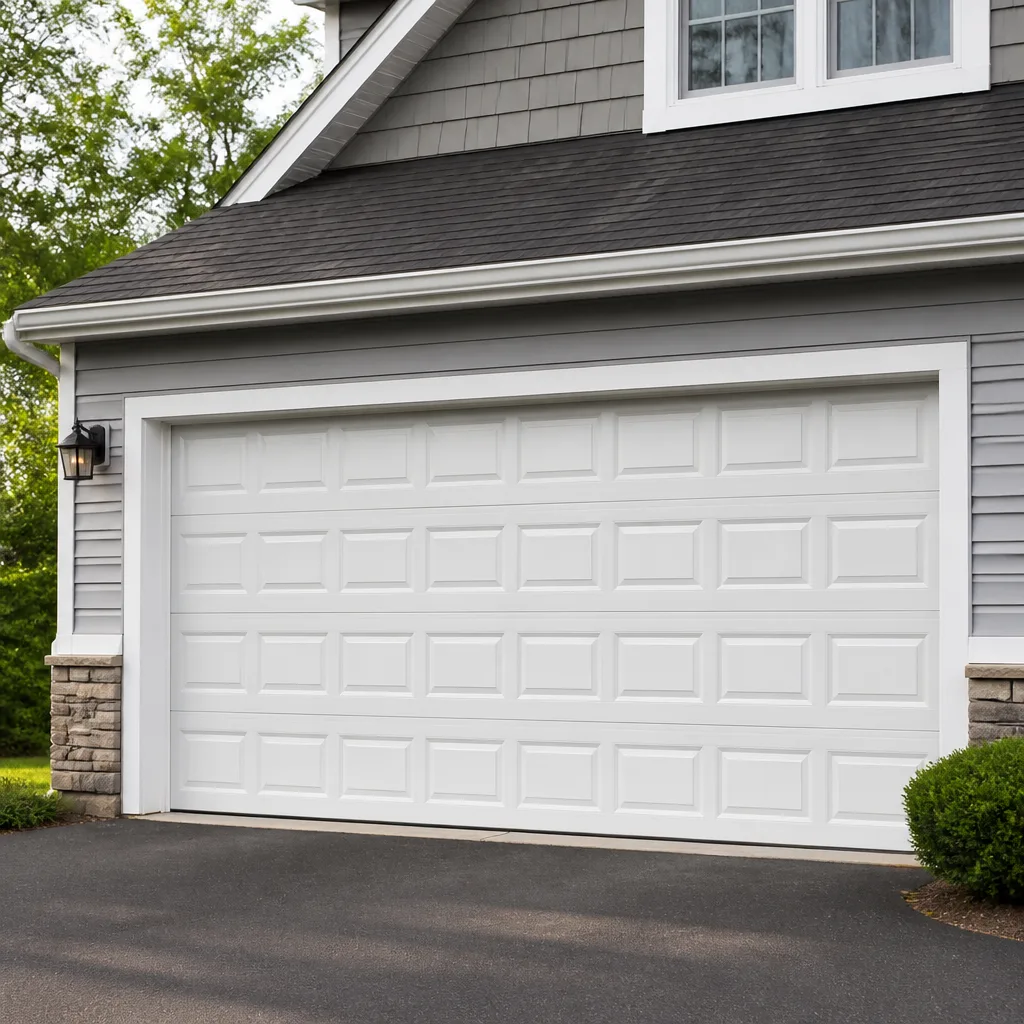 Raised-panel steel
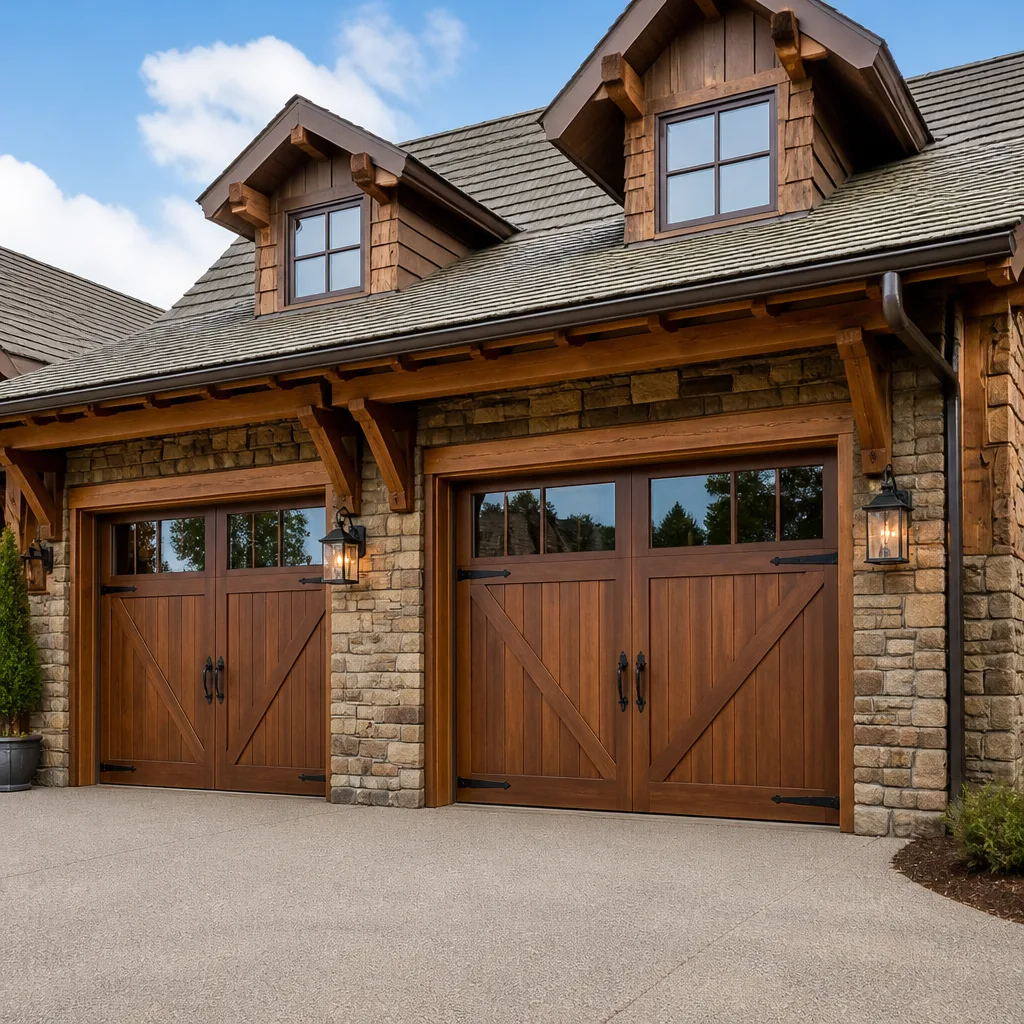 Carriage house
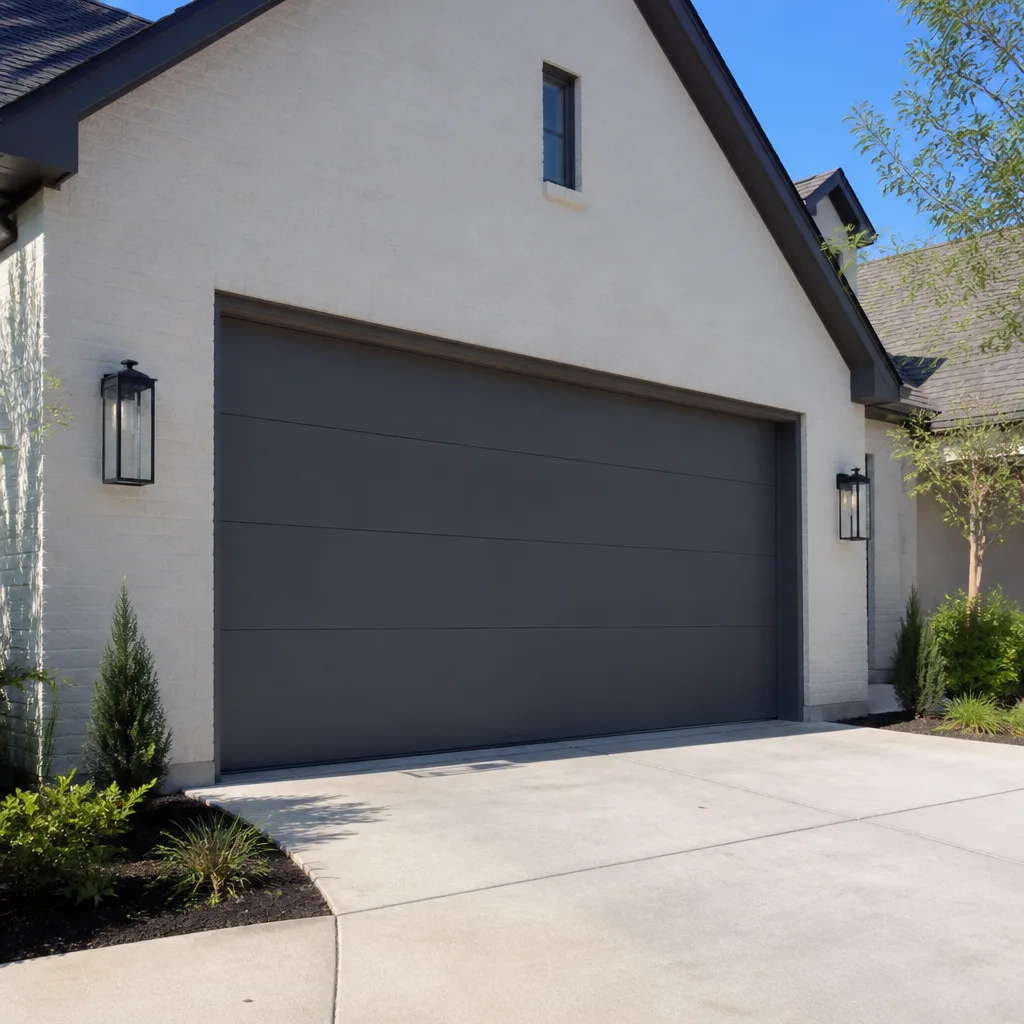 Modern flush
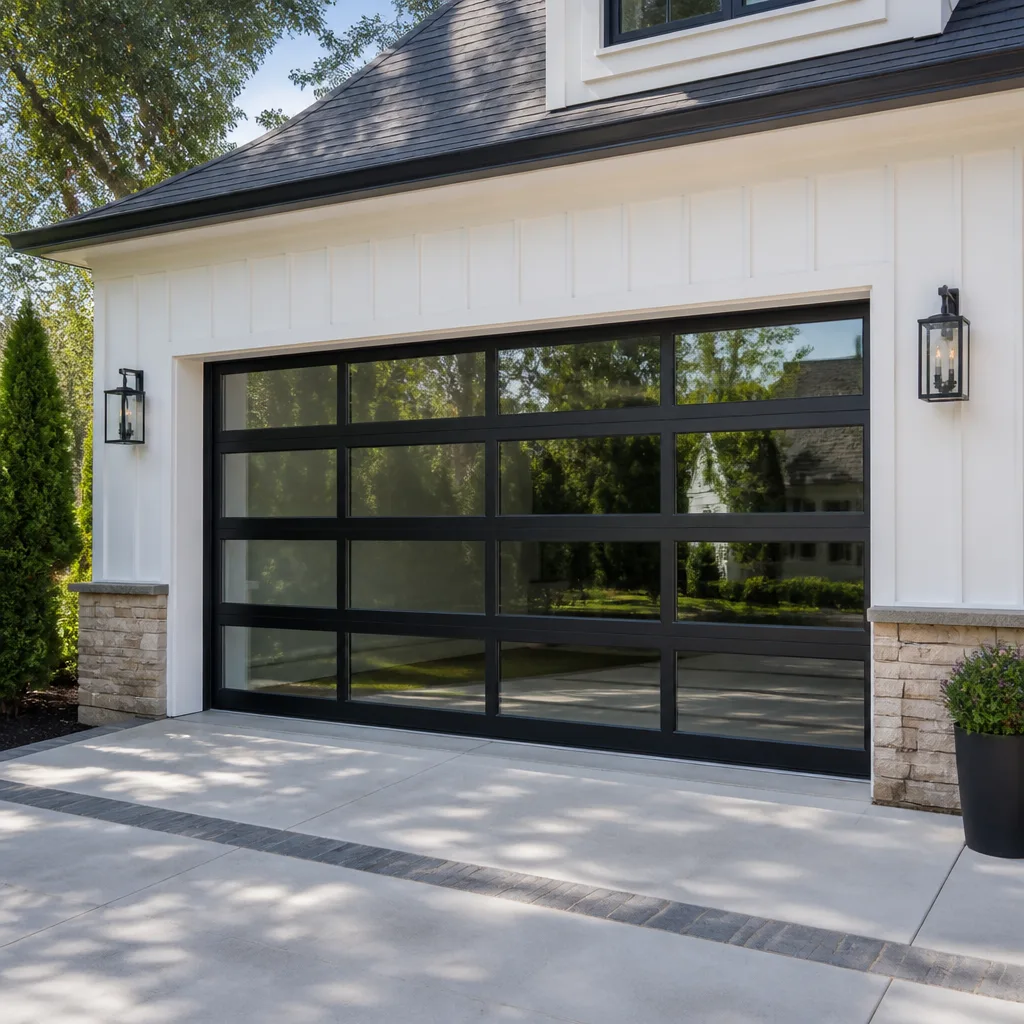 Full-view glass
 LiftMaster openers
 Chamberlain openers
Full 25-point door and opener safety check with every visit - springs, cables, rollers, tracks, and your LiftMaster or Chamberlain opener included
You get a price before we start. It does not change when the pro arrives.
Get your free estimateGarage Door Permits, Codes & Inspections in Lake City, WA: What You Need to Know
Most homeowners in Lake City assume replacing a garage door is a simple swap with no paperwork attached. That assumption is usually right, and occasionally very wrong. The line between the two comes down to one detail almost nobody thinks to ask about: whether the rough opening is being changed. Keep the opening the same and you can often have a new door hanging with no permit at all. Widen it, raise the header, or reframe for a bigger door, and you’ve stepped into structural territory that pulls in the Seattle Department of Construction & Inspections, plan review, and a timeline measured in weeks rather than an afternoon. This guide walks through when a permit is required in Lake City, how Washington’s energy and seismic rules shape what gets installed, and what to confirm with any contractor before work starts.
Quick Answer
In Lake City, a like-for-like garage door replacement in the existing opening typically needs no building permit, but any change to the rough opening, header, or structural framing does, and that work falls under Seattle Department of Construction & Inspections jurisdiction. New garage doors must also meet Washington State energy code requirements for insulation, and new installations must be anchored to resist seismic forces under the state building code. When in doubt, call the city’s building department before you buy a door.
Styles & brands we work with
- Raised-panel steel
- Carriage house
- Modern flush
- Full-view glass
- LiftMaster openers
- Chamberlain openers
Table of Contents
- Who Has Jurisdiction Over Garage Door Work in Lake City?
- When Is a Permit Required for a Garage Door?
- The Rough Opening Detail That Changes Everything
- Washington Energy Code and Garage Door Insulation
- Seismic Anchorage Requirements for New Installations
- How Unpermitted Work Surfaces When You Sell
- What to Ask Your Contractor About Permits
- What an Inspection Actually Checks
Who Has Jurisdiction Over Garage Door Work in Lake City?
Lake City sits inside Seattle city limits, which means garage door and structural work there is reviewed by the Seattle Department of Construction & Inspections, not by unincorporated King County. That distinction matters because the rules, the forms, and the inspection process all follow Seattle’s code rather than the county’s. If you’ve heard a neighbor describe a simpler process from a home in Shoreline or Kenmore, they’re describing a different jurisdiction.
This is one of the practical realities of building in Lake City. The neighborhood has a mix of older mid-century homes and newer infill, and the older homes in particular often have garages that were built to standards that have since changed. A door that fit a 1950s opening may not meet today’s requirements for anchorage or energy performance if you’re replacing the whole assembly rather than just the panels.
Here’s what jurisdiction means in practice:
- Permits and plan review: Handled through the Seattle Department of Construction & Inspections.
- Inspections: Scheduled through the same department, typically at framing and final stages for structural work.
- Code basis: Seattle amendments layered on top of the Washington State Building Code and Washington State Energy Code.
- Neighborhood context: Lake City’s older housing stock means existing conditions often need assessment before anyone quotes a job.
One caution: rules get updated, and staff interpretations vary on edge cases. The safest move before any project is a short call to the city’s building department with your specific address and scope. They’ll tell you whether your garage door work in Lake City requires a permit and what the submittal looks like.
When Is a Permit Required for a Garage Door?
The permit question hinges on what’s being changed, not on how big the door is. A same-size replacement in an existing opening is generally treated as a maintenance item. Anything that alters the structure around the opening is treated as construction.
Usually no permit required
- Replacing door panels or the full door in the existing opening with the same dimensions.
- Replacing a garage door opener with a comparable unit.
- Replacing springs, cables, rollers, hinges, or tracks without modifying the framing.
- Swapping weather seal, bottom rubber, or decorative hardware.
Usually requires a permit
- Widening or heightening the rough opening to fit a larger door.
- Modifying or replacing the header above the opening.
- Converting a garage to habitable space, which changes the door requirement entirely.
- Structural repairs to the framing around the opening, including rot repair that affects load-bearing members.
- Adding a new garage where none existed.
If you’re planning a full garage door installation in Lake City and the new door is a different size than the old one, assume a permit is in play until the city tells you otherwise. That one assumption will save you the most grief down the road.
The Rough Opening Detail That Changes Everything
The rough opening is the framed hole in the wall where the door goes. It has a specific width, height, and header above it sized to carry the load of everything above the opening. As long as that opening stays the same, you’re swapping hardware inside an existing structural frame. The moment you change it, you’re altering the structure of the building.
Here’s why homeowners miss this. They want a taller door for a lifted truck, or a wider one for a third vehicle, or they’re converting a single door into a double. All of that sounds like a door choice. It’s actually a framing change, and framing changes carry permits, plan review, and inspections. That single detail is the line between a same-day job and a process measured in weeks.
In our experience working on Lake City homes, the rough opening question comes up most often with older garages where the framing has settled or where a previous owner made informal modifications. Sometimes what looks like a straightforward size change turns out to require header reinforcement you didn’t plan for. That’s not a reason to avoid the project. It’s a reason to have someone look at the opening before you order the door.
If you’re weighing a straightforward replacement against something more involved, our garage door repair team can assess the opening and tell you which category your project falls into before anyone commits to a scope.
Questions that settle it fast
- Is the new door the same width and height as the old one?
- Is the existing header staying in place with no modification?
- Are the jambs and framing sound, with no rot in structural members?
- Is the garage staying a garage, not becoming living space?
If all four answers are yes, you’re likely in no-permit territory. Any no, and it’s time to talk to the building department.
Washington Energy Code and Garage Door Insulation
New garage doors installed on conditioned or attached garages in Washington need to meet the state energy code’s insulation requirements. The code expresses this as a U-factor, which measures how much heat passes through the door. Lower U-factor means better insulation. If your garage shares a wall with the house, or if there’s conditioned space above or beside it, those requirements apply to the door separating the two.
This affects product selection more than most people expect. An uninsulated steel door that would be fine on a detached shed isn’t the right choice for an attached garage in Lake City. When you’re comparing options, ask the supplier or contractor for the U-factor documentation on any door you’re considering, and confirm it meets the current energy code for your specific situation.
Insulation matters for reasons beyond code, too. Lake City gets cool, wet winters and warm, dry summers. An insulated door helps hold temperature in the garage, which protects anything stored there, reduces strain on an opener, and makes the space more usable year-round.
What to check before you buy
- Confirm whether the garage is attached, detached, or conditioned. The requirement depends on it.
- Ask for the U-factor on the specific door model, not the product line in general.
- Note that a door meeting code on paper still needs correct installation to perform as rated.
- If you’re replacing an opener at the same time, our garage door opener repair team can confirm compatibility with the new door’s weight and balance.
Brands like Clopay and Amarr publish U-factor data across their product lines, and we work with both. Whatever brand is on your door, we know it.
Seismic Anchorage Requirements for New Installations
Washington sits in an active seismic zone, and the state building code requires that new garage door installations be anchored to resist lateral and vertical forces during an earthquake. In practical terms, that means the tracks, brackets, and header connections need to be fastened in a way that keeps the door assembly from pulling free of the framing when the ground moves.
This isn’t something most homeowners think to ask about, and it’s a detail that separates a proper installation from a fast one. A door that’s been hung with the minimum fasteners in drywall or light framing will function fine in normal use and fail badly in a seismic event. Compliant installation means anchors sized for the load, fasteners driven into structural framing rather than sheathing, and brackets that match the door’s weight and the wall’s construction.
In our experience, this is where cheap installations show their age. We’ve seen doors on Lake City homes where the track brackets were lagged into nothing but old siding. The door worked for years. It was never going to survive a shake.
What compliant anchorage looks like
- Anchors driven into structural framing, not just sheathing or trim.
- Fastener type and size matched to the door weight and wall construction.
- Header and jamb connections capable of transferring lateral load to the wall structure.
- Track brackets and spring anchors secured with hardware rated for the application.
- Openers and their mounting brackets also anchored to structural members.
If you’re hiring out an installation, ask directly how the door will be anchored and where the fasteners land. A contractor who can answer that clearly is one who has done the work to code. One who shrugs is telling you something.
Springs deserve their own mention here. The high-tension spring system is the most dangerous part of any garage door, and it’s also the part that takes the most load during a seismic event. This is not a DIY job. If a spring needs replacing, call a specialist rather than attempting it yourself.
How Unpermitted Work Surfaces When You Sell
Unpermitted garage door work tends to surface at the worst possible time, and it surfaces in stages. The first stage is disclosure. When you sell a home in Lake City, you’re required to disclose known work done without permits. If you don’t know, you can’t disclose, and if the buyer’s inspection finds it, you’re now in a conversation you should have had years earlier.
The second stage is the home inspection itself. A good inspector looks at the garage door assembly, the opener, the framing around the opening, and the anchoring. Modified openings and unanchored installations stand out. The inspector notes them, the buyer’s agent flags them, and the transaction slows down.
The third stage is the remediation. If the work requires a permit after the fact, the process is a retroactive permit, which typically means opening up whatever was covered, having the work inspected, and correcting anything that doesn’t meet code. Cost depends entirely on what has to be undone and redone. It’s not a fixed number, but it’s never smaller than doing it right the first time.
The honest math
- A permit pulled up front adds a known cost and a known timeline.
- An unpermitted change discovered at sale adds an unknown cost, a negotiation, and a delay.
- Buyers in Lake City know the neighborhood’s older housing stock and they inspect accordingly.
- Sometimes the cheapest path forward is the one that keeps the opening untouched, which is worth knowing before you fall in love with a bigger door.
If you’re prepping a Lake City home for sale and want to know whether existing garage door work would raise questions, our team at Lake City Garage Door Repair can look at what’s there and tell you plainly.
What to Ask Your Contractor About Permits
Permit responsibility is the single most important thing to settle in writing before work begins. The typical arrangement is that the contractor pulls the permit under their own license and their name appears on it. That arrangement puts the legal responsibility for the work squarely on them, which is where you want it.
What you want to avoid is an arrangement where you, the homeowner, pull the permit as an owner-builder for work someone else is doing. That shifts liability to you. If an inspection fails, or if a problem surfaces later, you’re the party of record. It’s a legal position, and it’s worth understanding before you sign anything.
Ask these questions before signing
- Is a permit required for this scope, and if so, who pulls it and whose name is on it?
- Will you provide a copy of the permit and the inspection sign-off when work is complete?
- Does your estimate state clearly what’s included and what isn’t?
- How will the door be anchored, and where do the fasteners land?
- What U-factor is the door we’ve selected, and does it meet the energy code for this garage?
- Is the price quoted and agreed before work starts, with no surprises after?
A contractor who can answer all six clearly is one you can work with. A contractor who dodges number one is telling you something about how the rest of the project will go.
One more thing to ask: whether the company works across the door and the opener as separate systems. They are separate systems with separate knowledge bases, and it’s common for a job to involve both. Working with one company that understands both saves you a second call and the coordination that comes with it.
We work across Wayne Dalton, LiftMaster, and the other major brands because we’ve seen how often a door and opener from different manufacturers end up paired in the same garage. Parts supply matters too. A company that has to order everything and come back is a company that stretches a one-visit job into several. We carry parts so we don’t have to.
What an Inspection Actually Checks
If your project requires a permit, an inspection is part of the process. Knowing what the inspector looks for helps you understand why the permit exists in the first place, and helps you spot problems if work is in progress.
Inspections for garage door work typically focus on the structural and safety elements rather than cosmetic ones. The inspector is checking that the framing is sound, the header is adequate, the door is securely anchored, and the finished assembly meets the requirements the permit was issued under.
Typical inspection points
- Framing and header: Adequate size and soundness for the opening.
- Anchorage: Fasteners into structural members, sized for the door.
- Energy performance: Door documentation confirming the required U-factor.
- Doors, tracks, and springs: Installed per manufacturer’s specifications.
- Opener and safety features: Mounted securely, with required safety reverse functioning.
- Weather seal: Complete at the perimeter.
In our experience, most inspection failures are documentation failures, not workmanship failures. Someone did the work correctly but can’t produce the door’s U-factor sheet or the manufacturer’s installation instructions. Keep the paperwork. It’s the smallest part of the project and the easiest to overlook.
If the work was done correctly, an inspection is a formality. If it wasn’t, the inspection is a discovery. Either way, it’s the mechanism that protects you and the next homeowner.
Common Mistakes to Avoid
- Assuming any replacement is permit-free. Size changes in the opening change the rules. Confirm before you order.
- Ordering the door before assessing the opening. A different size door is a structural project, not a swap. Get the opening looked at first.
- Skipping the U-factor documentation. Washington’s energy code requires it on many installations, and the inspector will ask.
- Letting the work be anchored to sheathing or siding. Seismic anchorage means fasteners into framing, not into the surface material.
- Letting the contractor’s name come off the permit. If you’re the name on it, you’re the one who owns the outcome.
- Attempting spring work yourself. Springs are under extreme tension. This is not a DIY job at any skill level, and the risk is real injury.
- Thinking of the door and the opener as one project. They’re separate systems and they need separate attention. Plan for both if both are aging.
See the difference
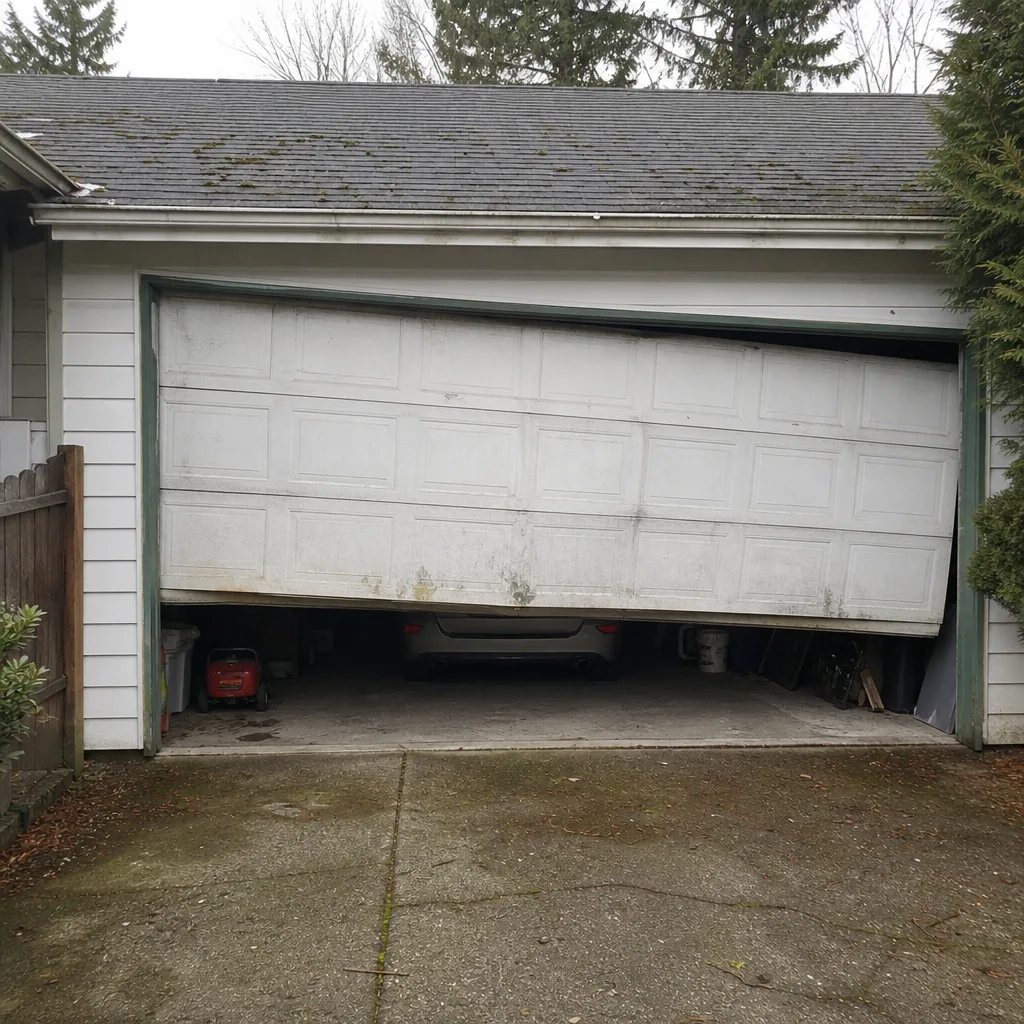 Before
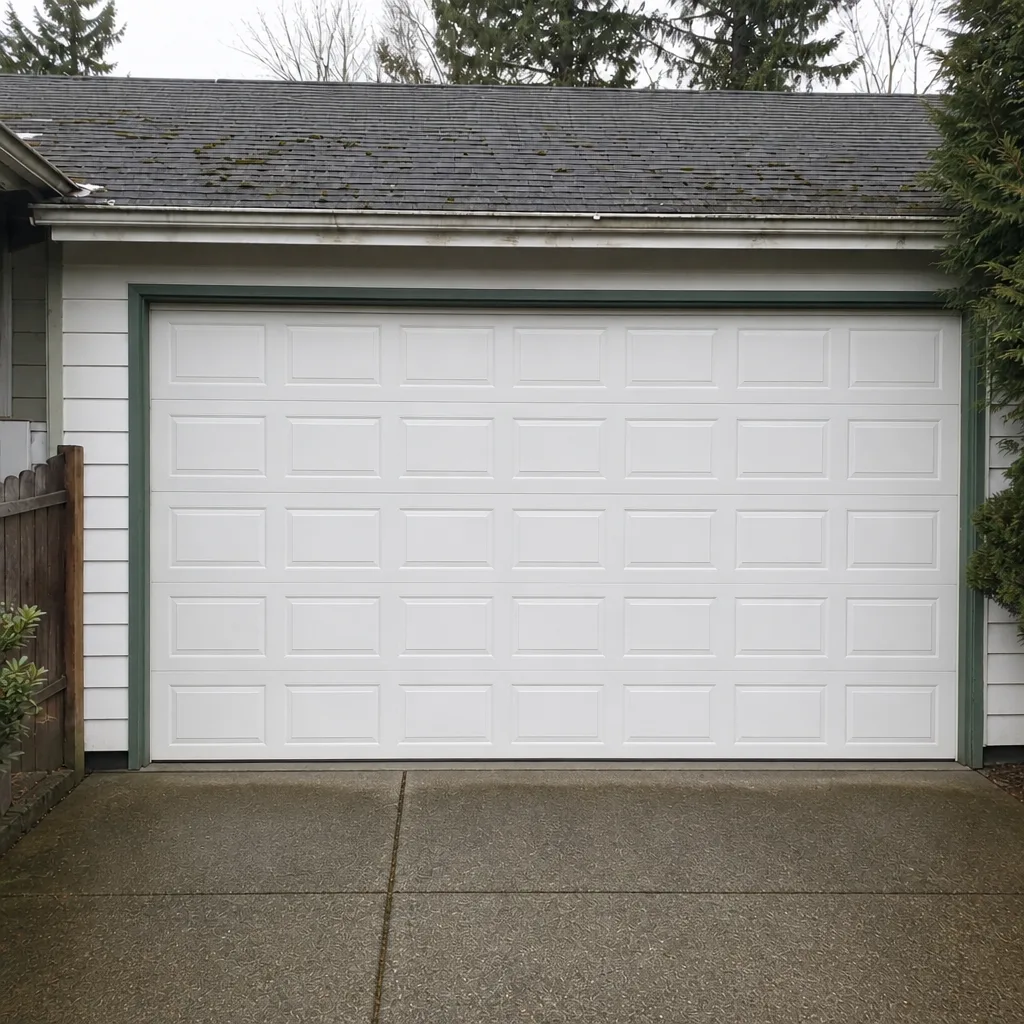 After
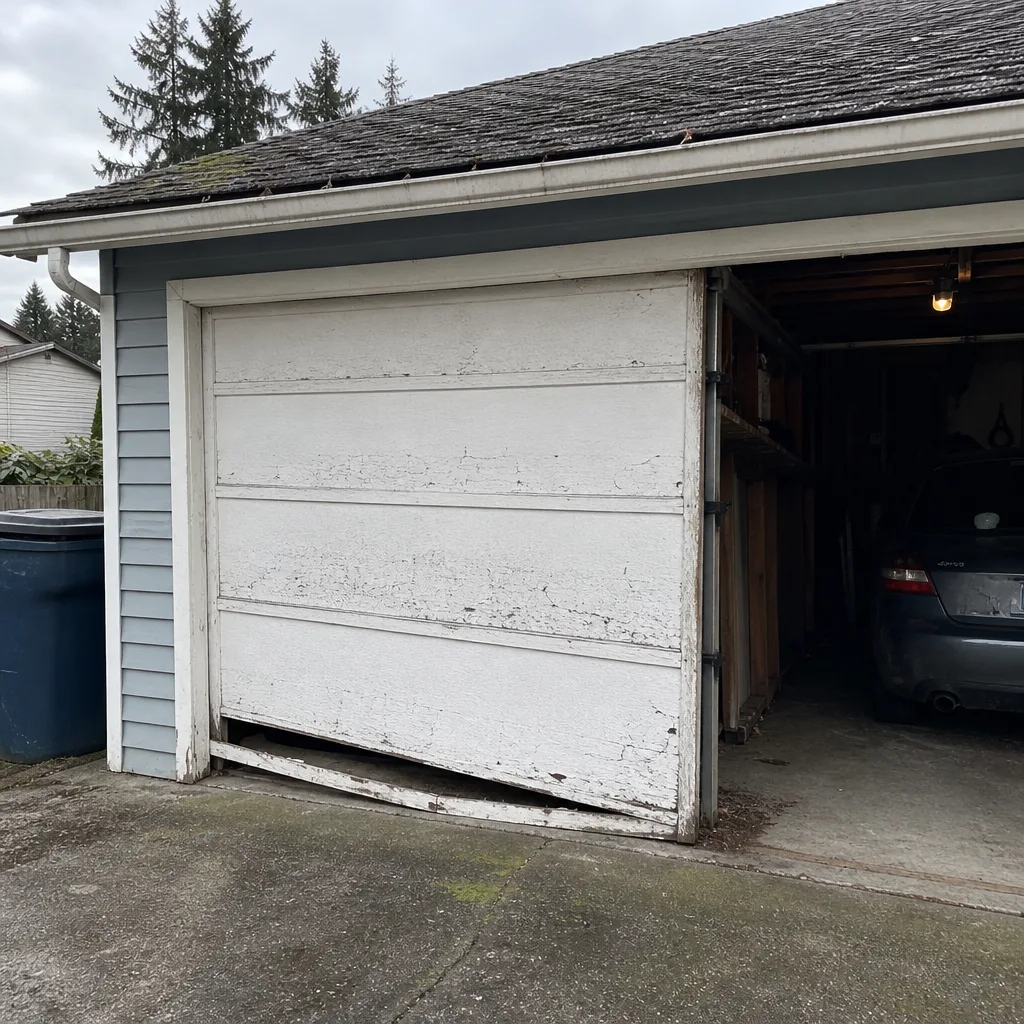 Before
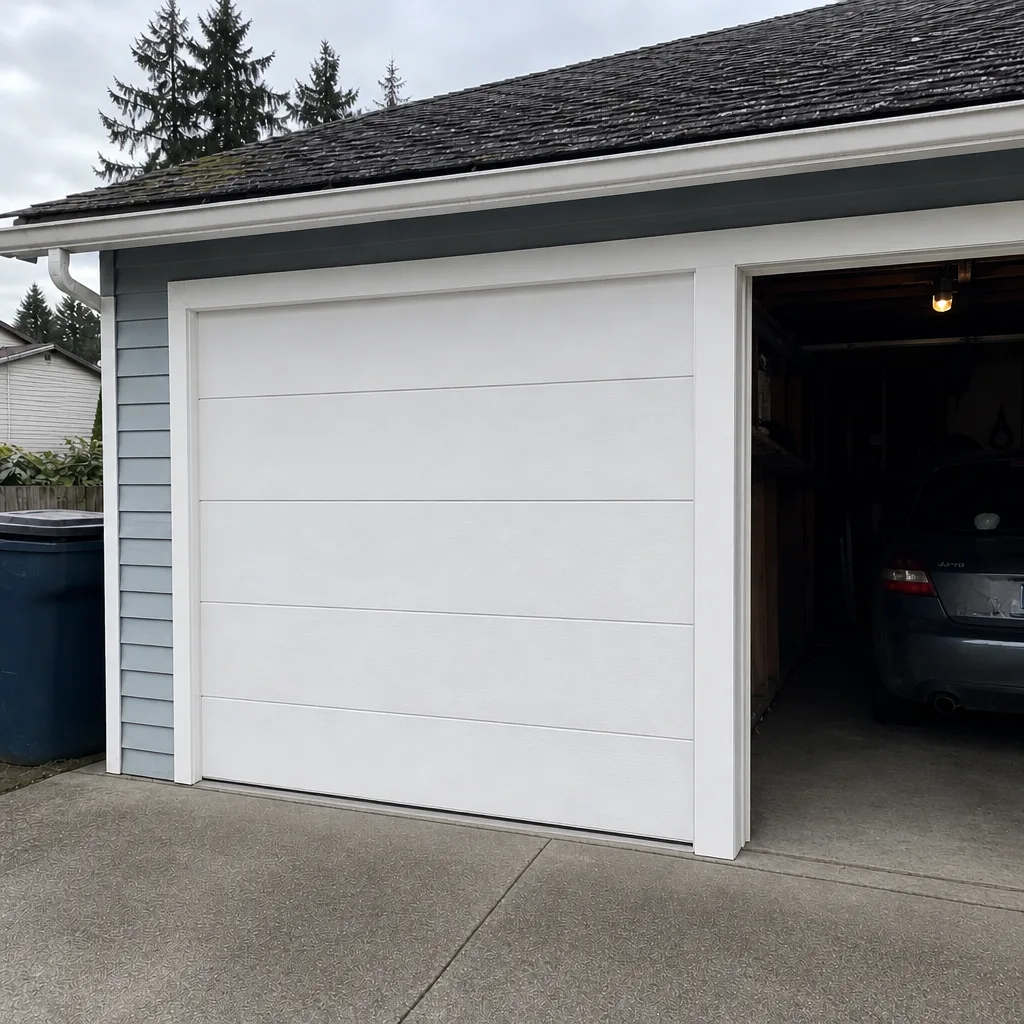 After
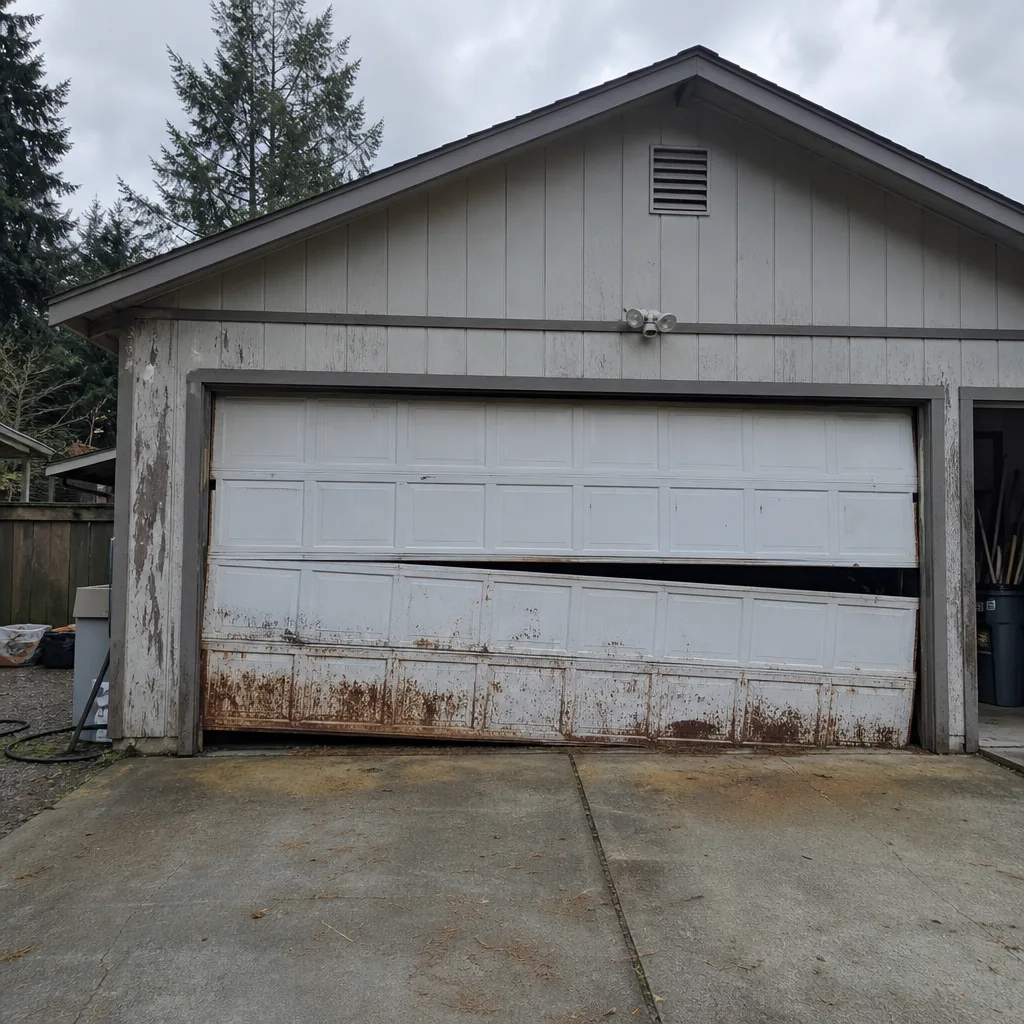 Before
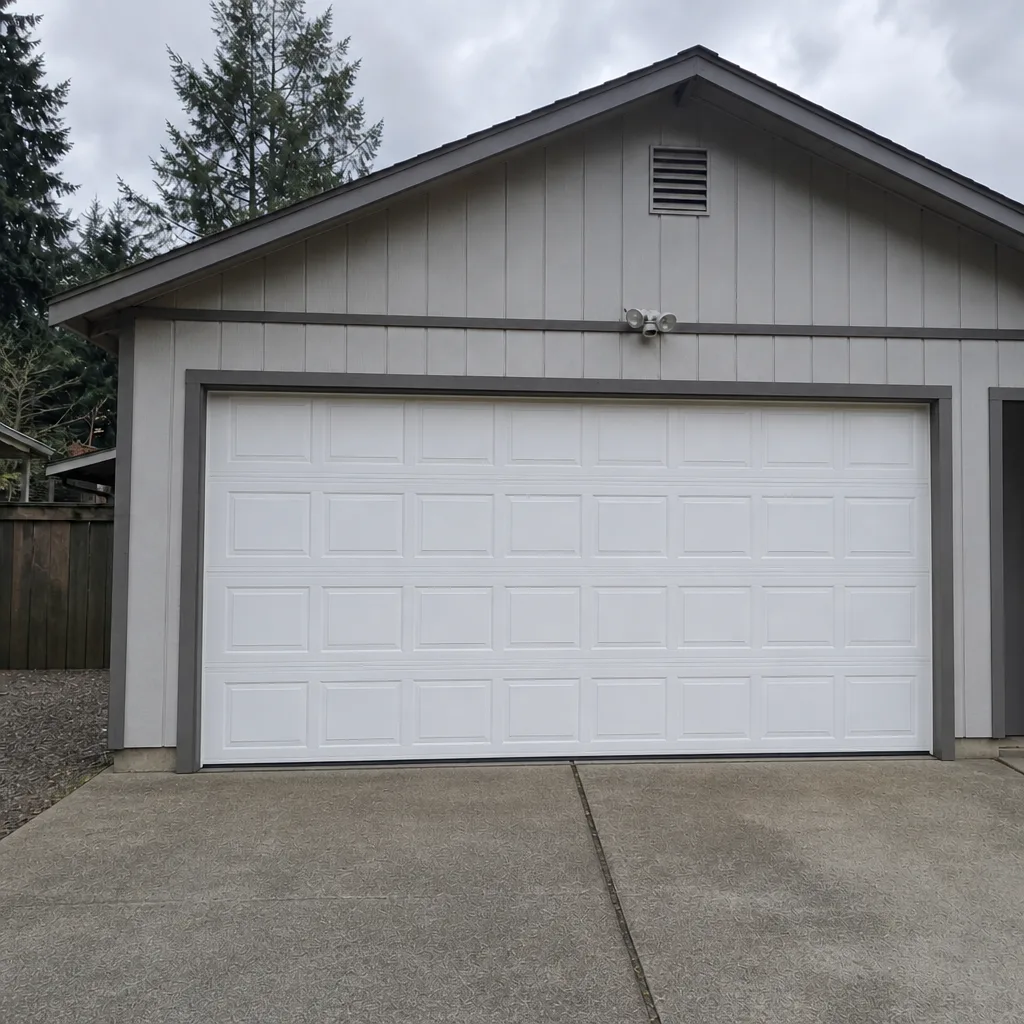 After
When to Call a Professional
Call a specialist when the project touches structure, springs, or safety systems. That includes rough opening changes, header modifications, spring replacement, and opener work that affects balance or safety reverse. Call us as well if you’re unsure whether your planned project requires a permit, because the answer changes what you’re buying.
Call a professional if your garage door work in Lake City involves anything you’d want inspected on the way out of the house. Springs, cables, and opener mounting all qualify. The risk is real and the cost of doing it wrong is higher than the cost of doing it right.
We work on doors from the major manufacturers, and we handle the whole job rather than passing parts of it off. If you’re weighing a repair against a replacement and want a straight answer, we’ll give you one.
Lake City Garage Door Repair offers free estimates in Lake City, call (888) 991-5420. Prices are quoted and agreed before any work starts, with the written estimate setting the final price. Our technicians have up to 11 years of experience.
Frequently Asked Questions
Usually no, if the new door fits the existing rough opening at the same size and the framing isn’t modified. If you’re changing the opening’s dimensions or the header, you need a permit through the Seattle Department of Construction & Inspections. Call the city’s building department with your address and scope to confirm.
Lake City is inside Seattle city limits, so garage door work there is reviewed by the Seattle Department of Construction & Inspections. That’s different from neighboring cities like Shoreline and Kenmore, which have their own processes. Rules follow the Jurisdiction, not the mailing address.
The rough opening is the framed hole in the wall where the door goes, including the header above it. Keeping it the same means a swap inside an existing frame. Changing it means altering the building’s structure, which triggers permits and inspections. It’s the single detail that determines whether your job is simple or involved.
It often does, particularly on attached garages or when the garage shares walls with conditioned space. The code expresses insulation requirements as a U-factor, and you’ll want documentation for the specific door model you choose. Ask the supplier for it before you buy.
Unpermitted work typically surfaces during disclosure and inspection, which slows the sale and puts you in a negotiation. Remediation often requires a retroactive permit and correcting whatever doesn’t meet code. The cost depends on what has to be redone. It’s never smaller than doing it right the first time.
We can look at the opening and tell you what the scope involves and whether it’s likely to require a permit. The final call belongs to the city, and we’ll tell you to confirm with the building department. Call (888) 991-5420 for a free estimate, and we’ll walk through what your Lake City project actually requires.
The Bottom Line
Garage door permits in Lake City come down to one question: is the rough opening changing? Keep it the same and you’re usually in no-permit territory. Change it and you’re in structural work under Seattle Department of Construction & Inspections jurisdiction, with plan review, inspections, and a longer timeline. Washington’s energy code affects which door you can install, and seismic anchorage determines how it goes in. Unpermitted work surfaces at the worst moment, and remediation costs more than doing it right. Settle permit responsibility in writing before work starts.
If you want a straight answer about your project, call Lake City Garage Door Repair at (888) 991-5420 for a free estimate. We’ll look at what you have, tell you what’s involved, and quote the price before any work begins.
Written by the team at Lake City Garage Door Repair.