Last updated November 21, 2026
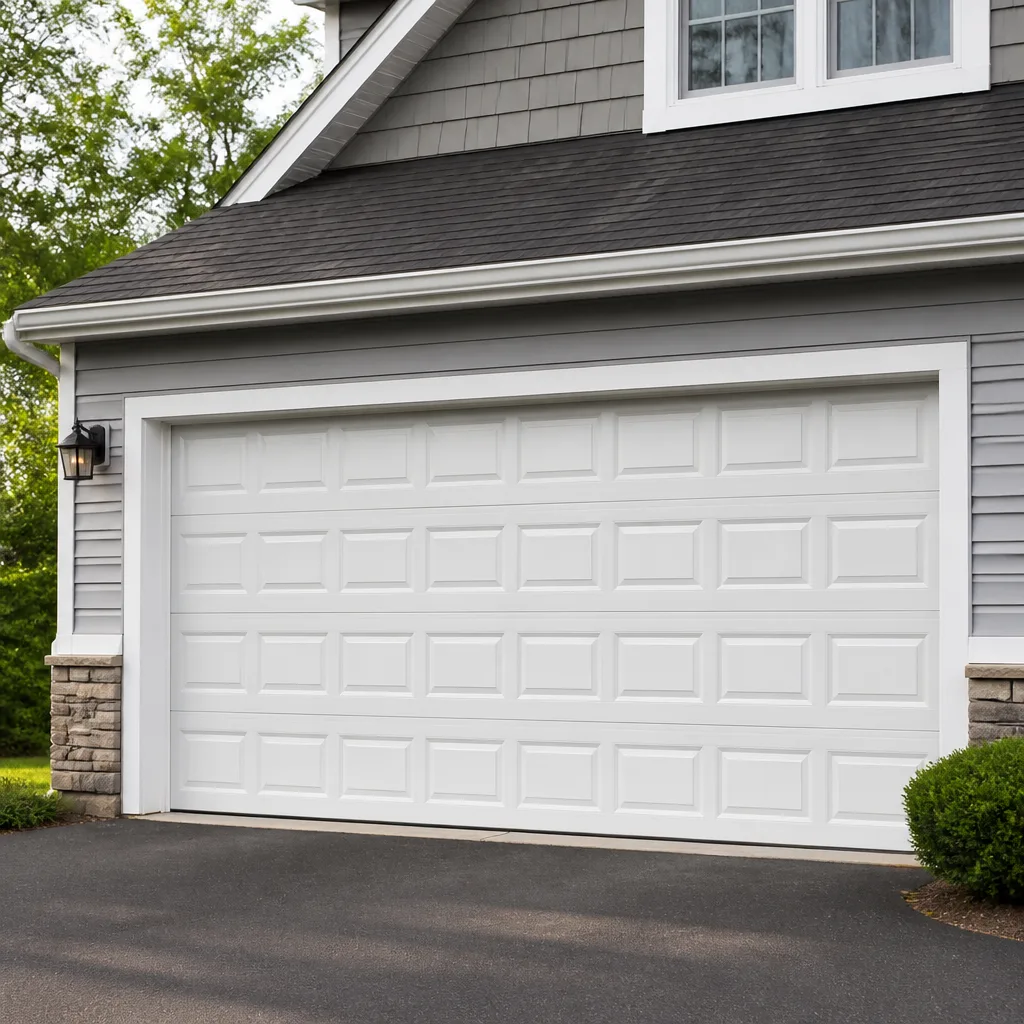 Raised-panel steel
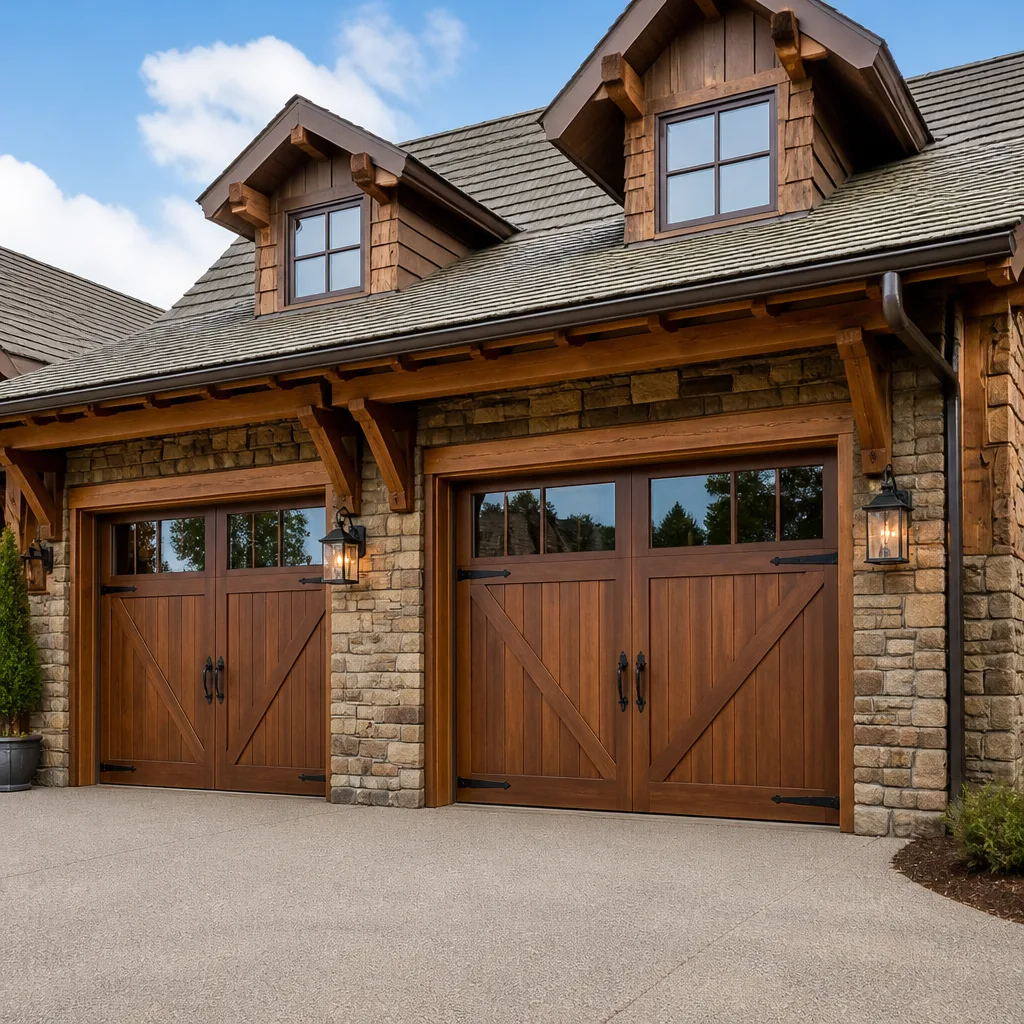 Carriage house
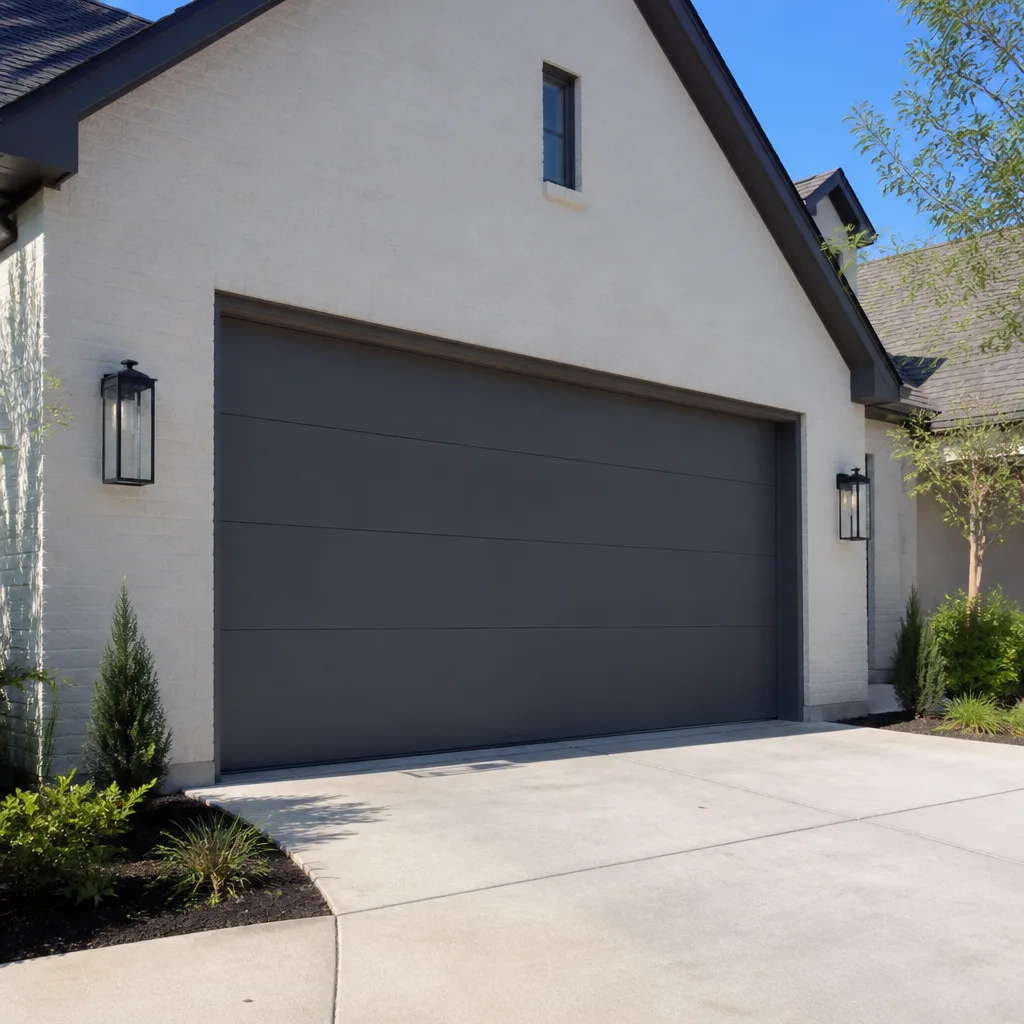 Modern flush
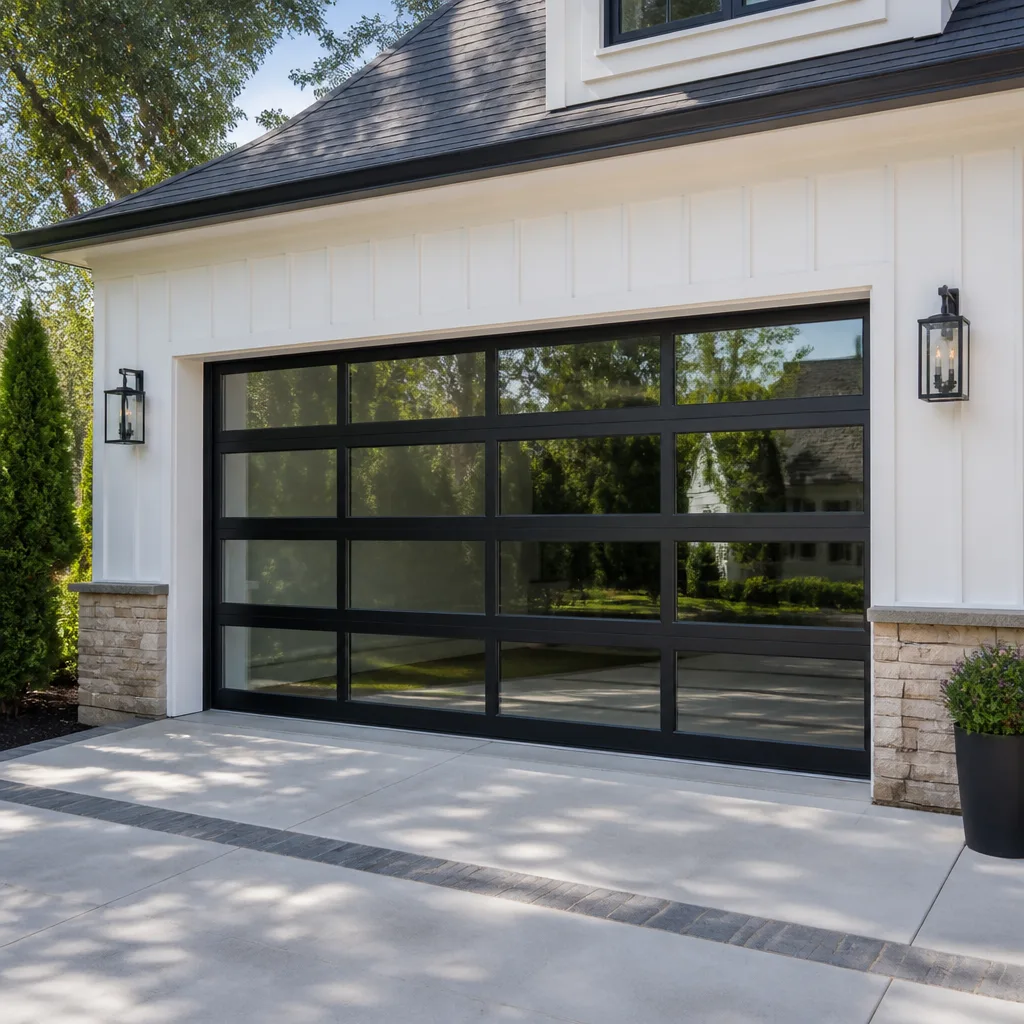 Full-view glass
 LiftMaster openers
 Chamberlain openers
Full 25-point door and opener safety check with every visit - springs, cables, rollers, tracks, and your LiftMaster or Chamberlain opener included
You get a price before we start. It does not change when the pro arrives.
Get your free estimateHow to Hire a Garage Door Contractor in Lake City: A Step-by-Step Guide
Most homeowners shop for a garage door contractor the same way they shop for a used car: three quotes, lowest number wins. That approach fails here. Garage doors are a tensioned spring system, a balance problem, and a motor all working together, and a contractor who can’t explain the parts you have is a contractor who will guess. You can’t tell from a star rating whether someone knows the difference between a torsion and an extension setup, or whether they’ve actually touched a LiftMaster logic board. What you can do is ask better questions before you hire. This guide gives you the exact ones to ask, plus how to check a Washington license, read an estimate, and tell a specialist from a generalist. Lake City homeowners, this one’s for you.
Quick Answer
Hiring a garage door contractor in Lake City means verifying the contractor’s Washington registration, asking five technical questions that reveal real garage door knowledge, and insisting on a written, line-itemized estimate before any work starts. A contractor who can answer the technical questions, show current credentials, and hand you a broken-down written price is the one to hire. A contractor who deflects on springs, door weight, or brand compatibility is guessing, and guessing is how doors get damaged and people get hurt.
Styles & brands we work with
- Raised-panel steel
- Carriage house
- Modern flush
- Full-view glass
- LiftMaster openers
- Chamberlain openers
Table of Contents
- Why a Garage Door Specialist Beats a General Handyman
- Washington State Licensing: How to Verify in Under Two Minutes
- The Five Technical Questions to Ask Before You Hire
- What a Legitimate Written Estimate Must Include
- How to Read Reviews for Signs of Real Garage Door Expertise
- Why Brand Coverage Matters More Than You Think
- Spring Work: The Line Between Repair and a Safety Hazard
- Common Mistakes to Avoid
Why a Garage Door Specialist Beats a General Handyman
A garage door is not a door. It’s a counterbalanced mechanical system held in tension, and it operates under loads that can move fast and hit hard if something lets go. A general handyman can hang a shelf, patch drywall, and replace a lock. That skill set doesn’t transfer to a torsion spring under tension or an opener with a mismatched drive gear.
Here’s the practical difference in Lake City. A specialist arrives already knowing the two most common door weights and how spring wire gauge maps to door size. A generalist arrives with a toolbox and a guess. On a repair, the guess costs you a callback. On a spring, the guess can hurt someone.
The technical work splits into two disciplines that are often confused:
- The door system – panels, tracks, rollers, hinges, cables, and springs. Manufacturers like Clopay and Amarr build these, and each has quirks in how the hardware seats and balances.
- The opener and drive system – the motor, rail, logic board, safety sensors, and remote programming. LiftMaster and Chamberlain units, for example, need brand-specific knowledge to set travel limits and diagnose a board failure.
When you hire one company that handles both, you don’t end up with a door technician who blames the opener or an opener technician who blames the door. That’s the reason we treat garage door repair and opener work as one connected job, not two separate service calls. If a contractor tells you they only do one half, ask who handles the other. The answer tells you a lot.
In our experience, the specialist-versus-generalist question comes down to this: does the person at your door know the system, or do they know doors in general? Townhome garages in Lake City, which stack close to neighboring units and often share tight side clearances, make that distinction matter. A door that comes off its track in a narrow bay needs someone who understands the geometry, not someone improvising.
Washington State Licensing: How to Verify in Under Two Minutes
Washington requires contractors to register with the state and carry a bond and insurance before they can legally take your money for residential work. Garage door installation and repair fall under that contractor registration umbrella. Verifying it takes less time than reading a review, and it’s the single fastest way to eliminate a bad hire.
Here’s the two-minute check, in order:
- Get the contractor’s registration number. Ask for it on the phone before anyone comes out. A legitimate contractor gives it without hesitation.
- Look it up through the state’s contractor verification service. Washington’s Department of Labor & Industries maintains the public lookup. Confirm the registration is active, not expired or suspended.
- Confirm the insurance and bond status. Both should show current. If either has lapsed, walk away.
- Match the name. The registration should tie to the company name on your estimate and, ideally, to the name on the vehicle. Mismatches are a red flag worth asking about.
Two things are worth saying plainly. First, a license is a floor, not a ceiling. It shows the contractor is registered and insured. It doesn’t prove they know a torsion spring from an extension spring. That’s what the next section is for. Second, you’re not being difficult by asking. Any contractor who gets annoyed at a registration check is telling you something.
We connect Lake City homeowners with local professionals who are licensed and insured as the state requires, and we’re glad to have that conversation up front. The point of the check isn’t suspicion. It’s that the person working a tensioned spring above a car should be covered if something goes wrong.
The Five Technical Questions to Ask Before You Hire
This is the heart of the guide. A garage door specialist can answer all five without reaching for a phone or a manual. A generalist deflects or gives you a vague version of the right words. You don’t need to know the answers yourself. You just need to hear the difference between confidence and drift.
1. “What type of spring system does my door use, and did you check it?”
The correct answer starts with torsion versus extension, and a specialist will look at your door before answering. A torsion system uses a spring mounted on a horizontal shaft above the door. An extension system uses springs running parallel to the horizontal tracks. If the contractor guesses without looking, or calls it “just a spring,” you’ve learned what you needed to know.
2. “How do you match a spring to my door’s weight?”
A confident answer references the door’s weight, the spring’s wire gauge, and the number of coils and length, and explains that these have to match the door or the balance is off. A deflection looks like “we just use the standard one.” Springs aren’t one-size. A matched pair is sized to the door and replaced as a pair, and a contractor who knows this will tell you that replacing one of a pair leaves the door unbalanced.
3. “Do you service both the door and the opener?”
The right answer is yes, and they can name openers they handle. A specialist will talk about drive types – belt, chain, screw – and logic board or sensor issues on specific brands. A “doors only” answer means you’ll need a second contractor when the opener misbehaves. A “we don’t work on that opener brand” answer limits you more than you might realize.
4. “What’s on the written estimate?”
A confident answer is line items: parts, labor, and warranty terms, each with a number. A deflection is a single lump sum with no breakdown. We cover this fully below, but it belongs on the short list of questions because it’s the one that protects your wallet.
5. “What happens if the first repair doesn’t fix it?”
The right answer explains how they stand behind the work and what their callback policy is. A vague answer is a warning. A “$89 diagnostic call is non-refundable no matter what” answer is worse. You want someone who stays with the problem, because garage door symptoms overlap – a door that won’t close could be the spring, the sensors, or the logic board, and only a systematic check finds the true cause.
Ask all five on the phone before you book. The answers take two minutes and filter better than any search. Then confirm the practical side when they arrive with a written, agreed price before any work begins.
What a Legitimate Written Estimate Must Include
A written estimate that gives you one total number is a red flag, not a convenience. Garage door work has distinct parts, distinct labor, and distinct warranty terms, and lumping them together hides what you’re paying for and what happens if something goes wrong. A legitimate estimate breaks it down.
Here’s what to look for before you agree to anything:
- Line-itemized parts. Springs, cables, rollers, hinges, and any opener components listed separately with a price. For a spring job, the part line should specify that it covers one spring, with a matched pair priced accordingly.
- Labor shown separately. Not buried in the parts number. You want to see the labor charge as its own line.
- Warranty terms in writing. What’s covered, for how long, and on what – parts, labor, or both. A verbal “we stand behind it” isn’t a warranty term.
- Your door’s identification. The estimate should reflect your specific door, ideally noting the brand and whether it’s a torsion or extension system. A generic quote was written before anyone saw your door.
- Taxes and fees disclosed. If there are trip or disposal charges, they belong on the estimate.
The number you agree to is the number you pay. That’s the whole point of a written estimate: the written price sets the final price, and it’s agreed before the technician starts. If a contractor can’t produce that before work begins, don’t let them start. For a job as straightforward as a spring replacement, the estimate should be no more than a page.
Estimates are free, and they should be. Use the written estimate to compare contractors on the same terms rather than on one total number. Two quotes with the same bottom line can be wildly different once parts and labor are broken out.
How to Read Reviews for Signs of Real Garage Door Expertise
Star ratings tell you whether someone was pleasant. They don’t tell you whether the person knew what they were doing. On a garage door, those are different questions, and the reviews that matter are the ones with technical detail you can verify against what you’ve learned.
Look for reviews that mention:
- A named part, not a category. “Replaced the torsion spring and both cables, balanced the door” tells you more than “fixed my garage door.”
- Matched-pair explanations. A reviewer who notes the technician explained why both springs had to be replaced is describing a contractor who educates rather than upcharges.
- Openers by brand. “Fixed the travel limits on my LiftMaster” signals a technician who knows specific units, not generic motors.
- Callbacks resolved. A review describing a follow-up visit that solved the problem tells you more than a five-star post that only mentions speed.
- Estimate held. A reviewer who notes the final price matched the quote is telling you the contractor didn’t change the terms after work began.
Be skeptical of reviews that read like advertisements. Polish isn’t proof. A review that says “highly trained professionals” and nothing else is a review you can’t use. The specifics are what earn your call.
Lake City is small enough that word of mouth matters. Ask neighbors, especially in the denser residential blocks, who they’ve used and whether the person knew the door and the opener. A neighbor who mentions the brand they have and how the technician handled it is worth three search results.
Why Brand Coverage Matters More Than You Think
“We don’t work on that brand” is a sentence that limits your future options. Today you need a spring fixed on a Clopay door. Next year the Genie opener fails. If the first contractor only knows doors, or only knows certain openers, you’re back to square one, calling someone new and paying a new diagnostic fee.
Garage door and opener brands require different knowledge. Door manufacturers build the panels, hardware, and spring systems. Opener manufacturers build the motors, drive rails, logic boards, and safety sensors. A company that handles both isn’t just more convenient – they diagnose faster, because they can rule out the door or the opener without sending you elsewhere.
When you interview a contractor, ask this instead of “do you work on my brand?”
- “Which door brands do you service, and which opener brands?” Ask for two separate lists. If they can only give one, ask how they handle the other.
- “Have you handled my brand specifically?” Name the brand on your door or opener and see if the answer is immediate or hedged. A contractor who handles Chamberlain and Genie, for example, should have no trouble saying so plainly.
- “Do you carry parts for my brand, or will you have to order them?” A contractor who stocks common parts on the job avoids the callback that comes from waiting on a third-party order.
A generalist will say “sure, we’ve seen it” about anything. A specialist will tell you what they don’t cover, because they know the difference. If you want to know what end-to-end coverage looks like, a company that handles garage door installation as well as repair tends to understand both the door and the opener as one system.
Spring Work: The Line Between Repair and a Safety Hazard
Torsion and extension springs store tremendous energy. When a spring fails, that energy releases fast, and the door can drop, or the spring and cable can whip. This is the one part of garage door work where the difference between a knowledgeable contractor and a guess becomes a physical safety question, not just a quality one.
What to check, not what to do yourself:
- Look for a gap in the spring. A broken torsion spring typically shows a clean gap at the break. That’s a visual inspection you can do from the floor. Do not reach up to touch it.
- Listen for a loud bang from the garage. A failed spring often announces itself with a sharp noise and the door that won’t lift afterward.
- Note the door’s behavior. A door that lifts a few inches and stops, or won’t stay closed without help, is telling you the spring system isn’t doing its job.
- Leave the door down. Keep the door closed and don’t force it. A door with a failed spring under tension is not something to test.
We say this plainly because it matters: springs are dangerous, and this is not a DIY job. The tools alone – winding bars, a proper counterbalance method, and the knowledge of how many turns the spring needs – aren’t something most homeowners have or want. A contractor who treats spring work as a routine line item and can explain matched pairs and door weight is treating it correctly. A contractor who suggests a quick fix for one spring of a pair is not.
This is the same territory as electrical panel work or gas line repair: the parts look simple, and they aren’t. Call a trained professional. When you do, confirm the spring quote covers a matched pair if your door uses both springs, and confirm the estimate is written and agreed before any work starts.
Common Mistakes to Avoid
- Hiring on price alone. The lowest quote usually means the fewest parts or the least labor. Ask what’s line-itemized before you compare totals, because a cheap number and a cheap job aren’t the same thing.
- Skipping the license check. Washington contractor registration takes two minutes through the state lookup. Homeowners who skip it sometimes discover the gap only when something goes wrong.
- Accepting a lump-sum quote. A total with no breakdown hides what you’re paying for and what the warranty covers. Ask for line items, every time.
- Replacing one spring of a pair. A matched pair is sized and installed together. Swapping one leaves the door unbalanced and often leads to a second failure soon after.
- Believing “we work on everything.” A contractor who claims every brand without naming any is telling you nothing. Ask for specific brands, and be suspicious of a perfect answer.
- Letting work start before the price is agreed. The written estimate sets the price. Agree to it in writing before the technician touches the door.
- Ignoring the opener’s role. A door that behaves oddly may be a spring or a logic board, and a contractor who only checks one half will miss the other.
See the difference
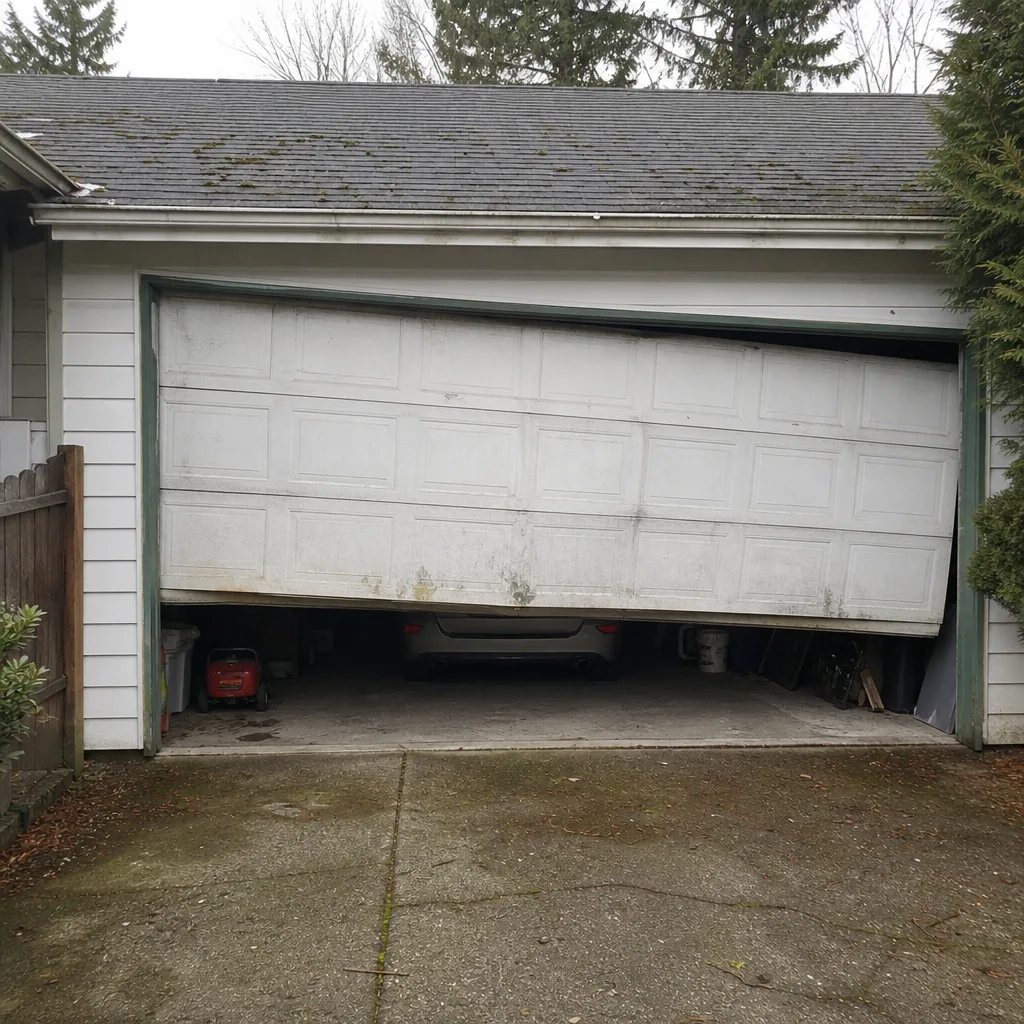 Before
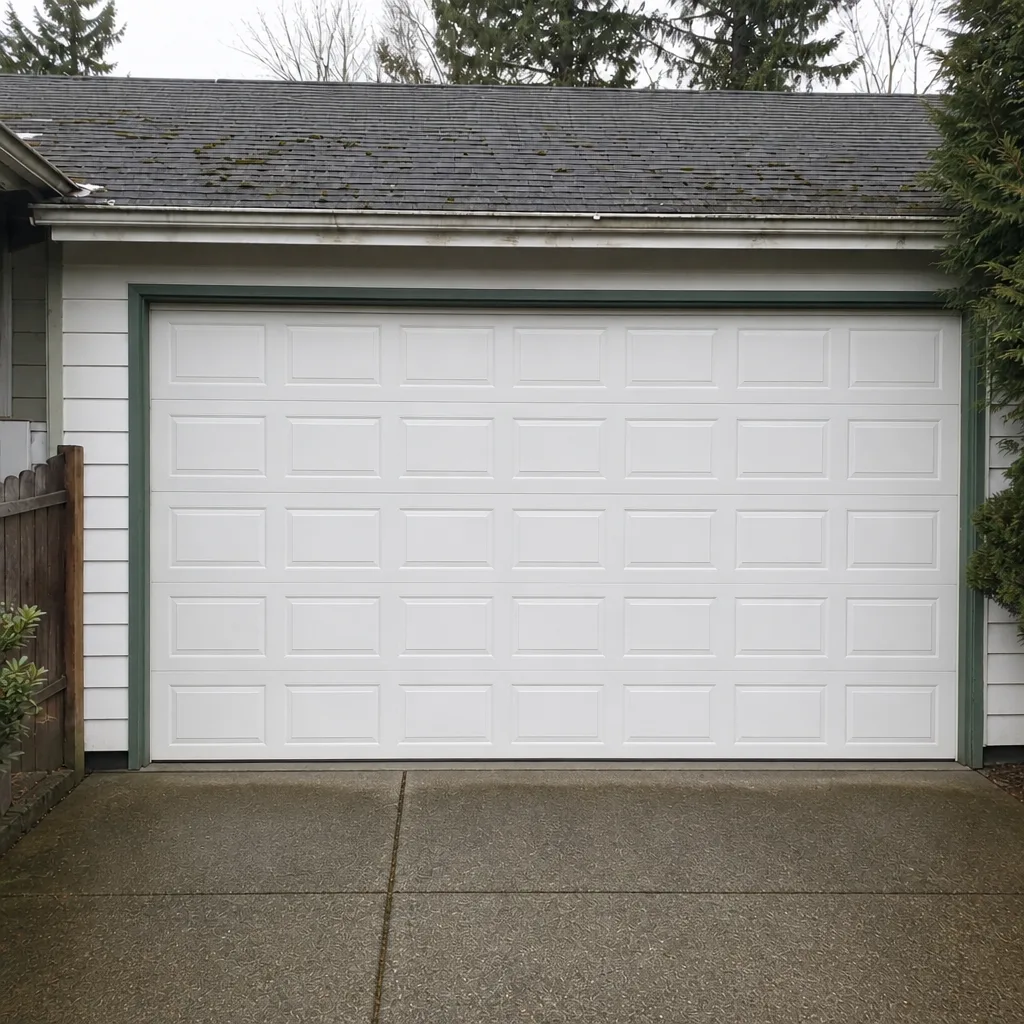 After
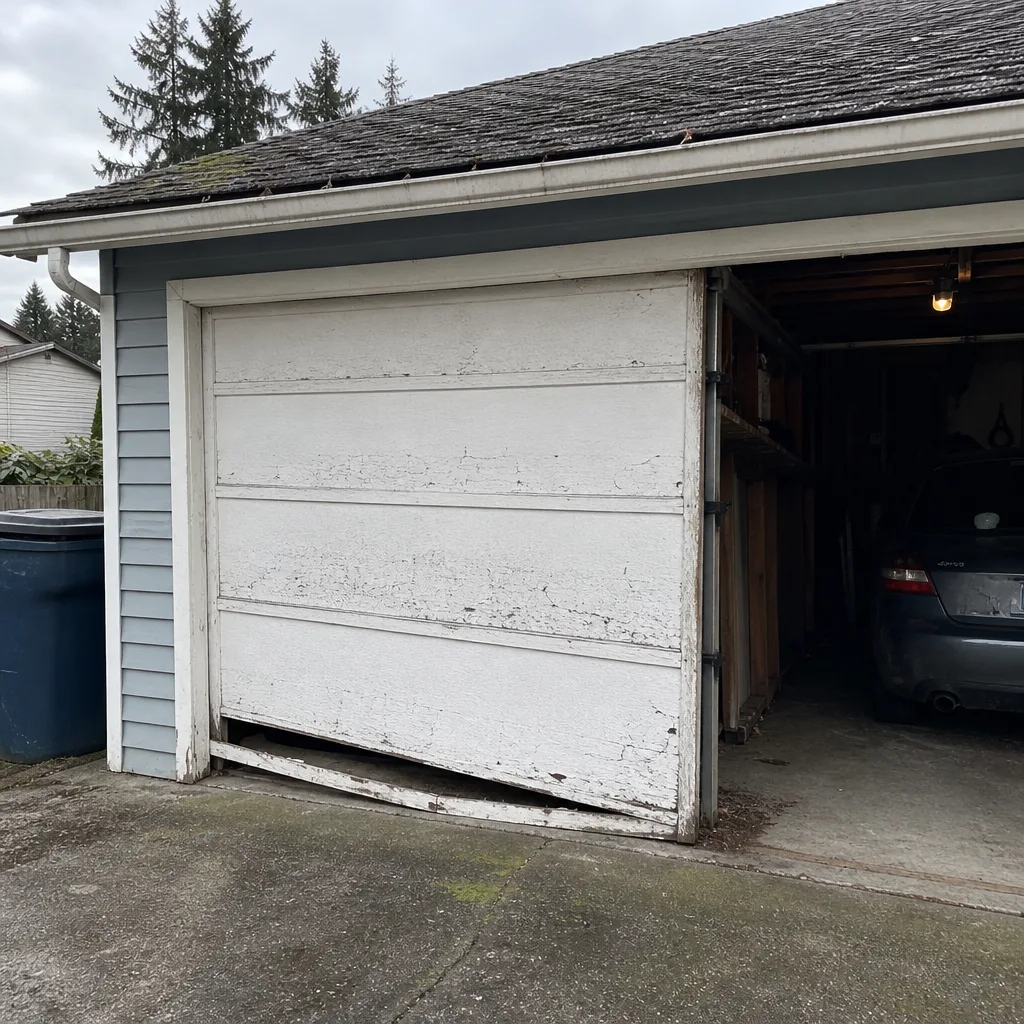 Before
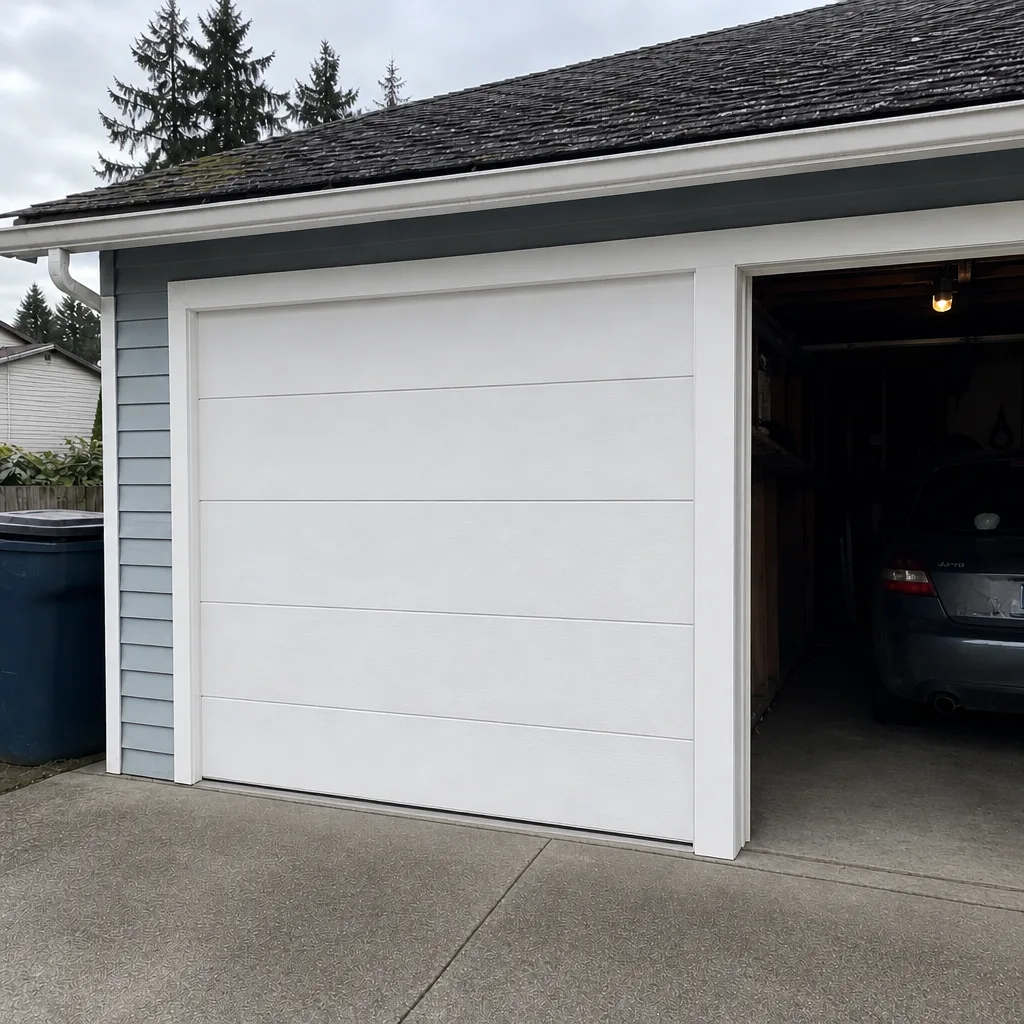 After
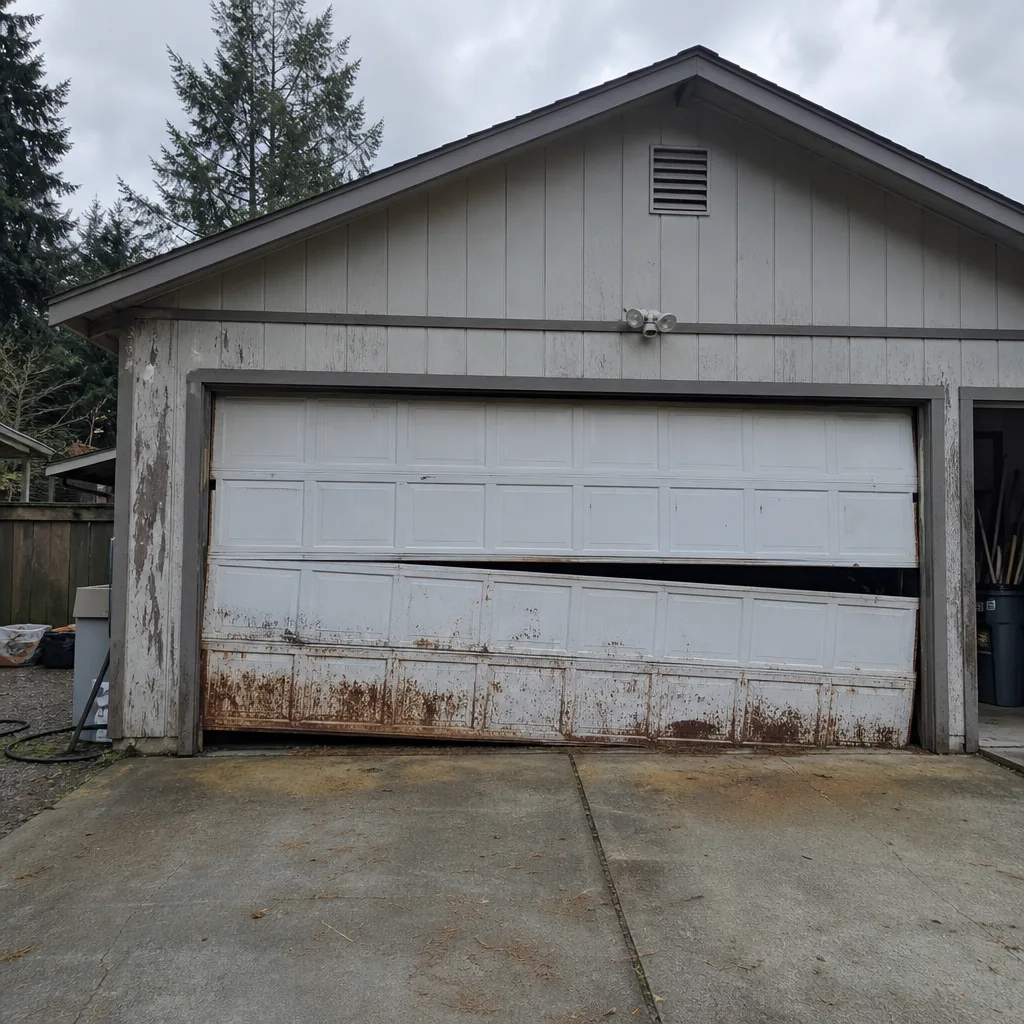 Before
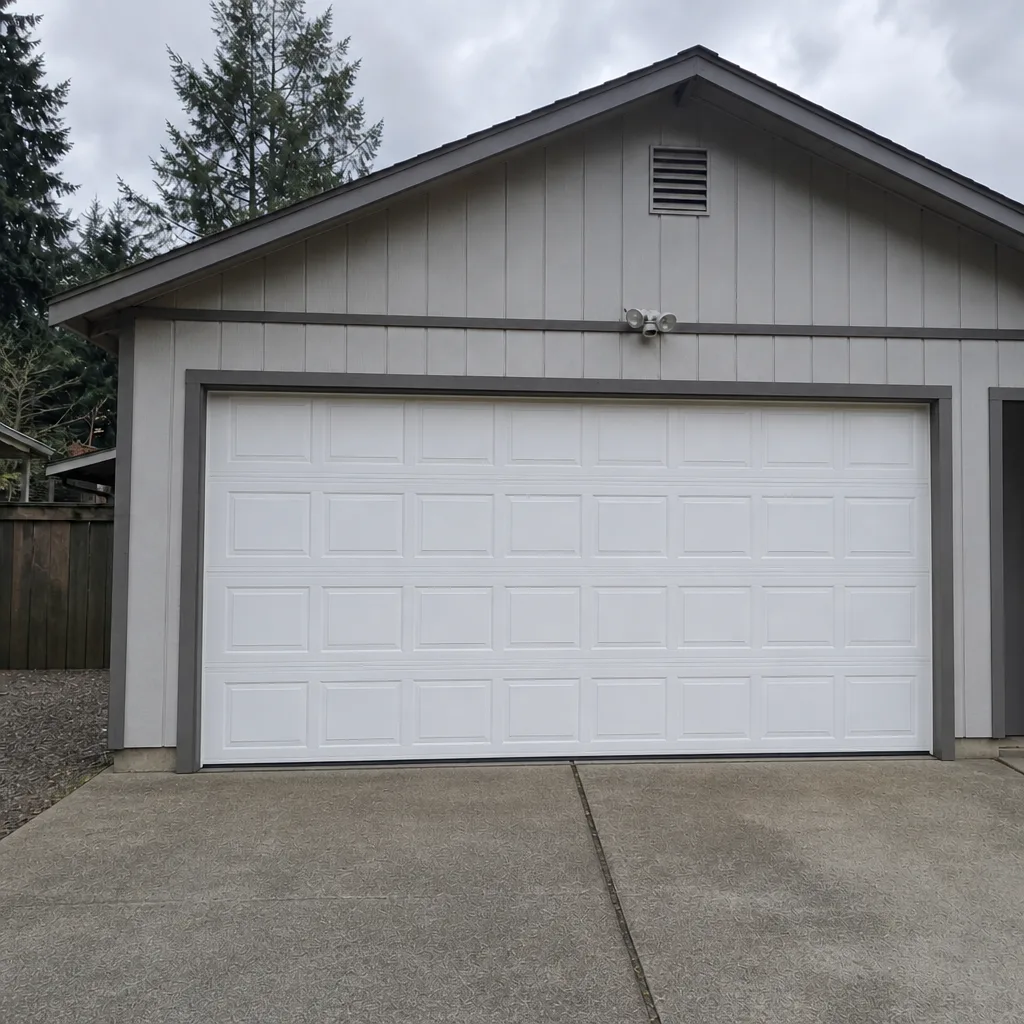 After
When to Call a Professional
Some repairs are small enough to handle yourself, like cleaning the safety sensors or replacing a remote battery. Most aren’t. Call a professional when you hear a sharp bang from the garage, when the door won’t lift or won’t stay down, when the opener runs but the door doesn’t move, or when a door comes off its track. Call when the spring shows a gap, when the door is visibly crooked in its frame, or when the opener is old enough that parts are hard to find. Call when you’re unsure, especially before forcing anything. A quick inspection costs little; a forced door costs more.
Lake City Garage Door Repair offers free estimates in Lake City – call (888) 991-5420. The price is quoted and agreed before any work starts, and our technicians have up to 11 years of experience.
Frequently Asked Questions
Ask the five technical questions: spring type, how a spring is matched to door weight, whether they service both the door and the opener, what’s on the written estimate, and what happens if the first repair doesn’t fix it. A specialist answers without hedging and checks the door before answering. A generalist deflects or gives vague versions of the right words. Call (888) 991-5420 for an exact quote – estimates are free.
Yes, and it takes about two minutes. Washington requires residential contractors to register with the state and maintain a bond and insurance. Get the registration number on the phone, verify it through the state’s contractor lookup, and confirm the name matches your estimate. If a contractor won’t give you the number, that’s your answer.
Spring repair is priced per job by written estimate, and the price depends on whether your door uses one spring or a matched pair. A matched pair costs about twice a single spring, because both are replaced together and sized to the door. The estimate is line-itemized and agreed before work starts, so the written price sets the final price. Call (888) 991-5420 for an exact quote – estimates are free.
It shouldn’t. The written estimate is produced after the technician inspects your specific door and opener, and the price is agreed before any work begins. If a contractor quotes one number over the phone and wants to raise it after arriving, ask them to produce a new written estimate and explain what changed – before they start.
Repair work can often be handled quickly, and we can talk through timing when you call. Installation and new-door work is different: it’s measured, parts are ordered, and it’s scheduled, so it doesn’t happen in a single visit. When you call, tell us what the door is doing and we’ll tell you honestly what’s involved. Call (888) 991-5420 for an exact quote – estimates are free.
Because they’re separate systems built by separate manufacturers, and each needs its own knowledge. Door brands like Clopay, Amarr, Wayne Dalton, and Raynor build panels and hardware; opener brands like LiftMaster, Chamberlain, Genie, and Craftsman build motors and logic boards. A contractor who handles both diagnoses the real cause instead of sending you to a second company.
The local professionals we connect you with are licensed and insured as the state requires. We’re glad to have that conversation before you book, and we encourage you to verify credentials through the state lookup yourself. It’s a two-minute check that protects you on any garage door job in Lake City.
The Bottom Line
Hiring a garage door contractor isn’t about collecting three quotes. It’s about asking five questions that separate a specialist from a guess, verifying a Washington license in two minutes, and demanding a written, line-itemized estimate before anyone touches the door. Reviews help only when they mention specifics. Brand coverage matters because a contractor who can’t service your opener leaves you stranded later. And spring work is dangerous enough that guessing isn’t an option. If the contractor answers clearly, shows credentials, and puts the price in writing, you’ve found your hire. For help on any of it, call Lake City Garage Door Repair at (888) 991-5420.
Whatever brand is on your door, we know it. We service LiftMaster, Chamberlain, Genie, Clopay, Amarr, Wayne Dalton, Craftsman, and Raynor, and we handle the door and the opener as one system – so one call covers the whole door. Whether you need garage door opener repair or a full replacement, you can start at Lake City Garage Door Repair. Call (888) 991-5420 for a free estimate in Lake City. We’re closed on Saturdays; if a door fails on a Saturday, call and we’ll book you for early morning or Sunday.
Written by the team at Lake City Garage Door Repair.