Last updated November 21, 2026
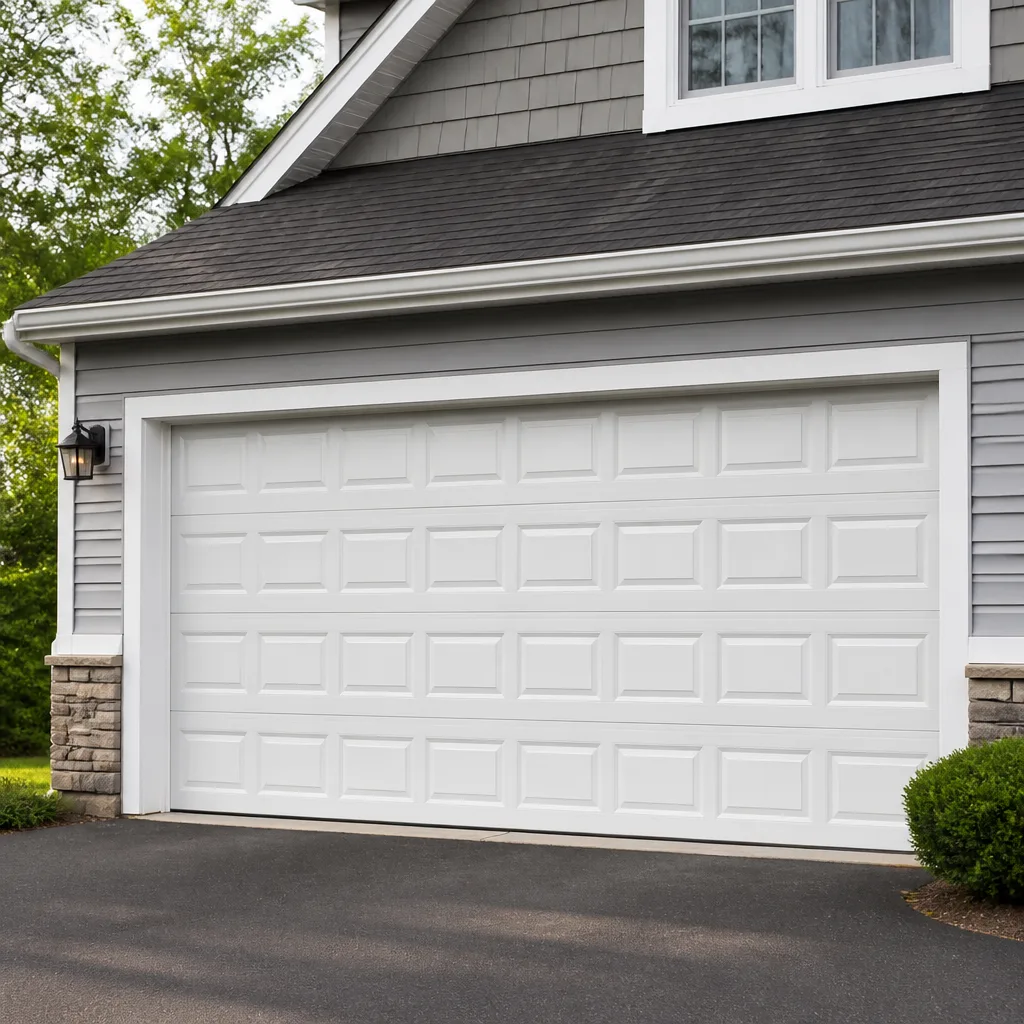 Raised-panel steel
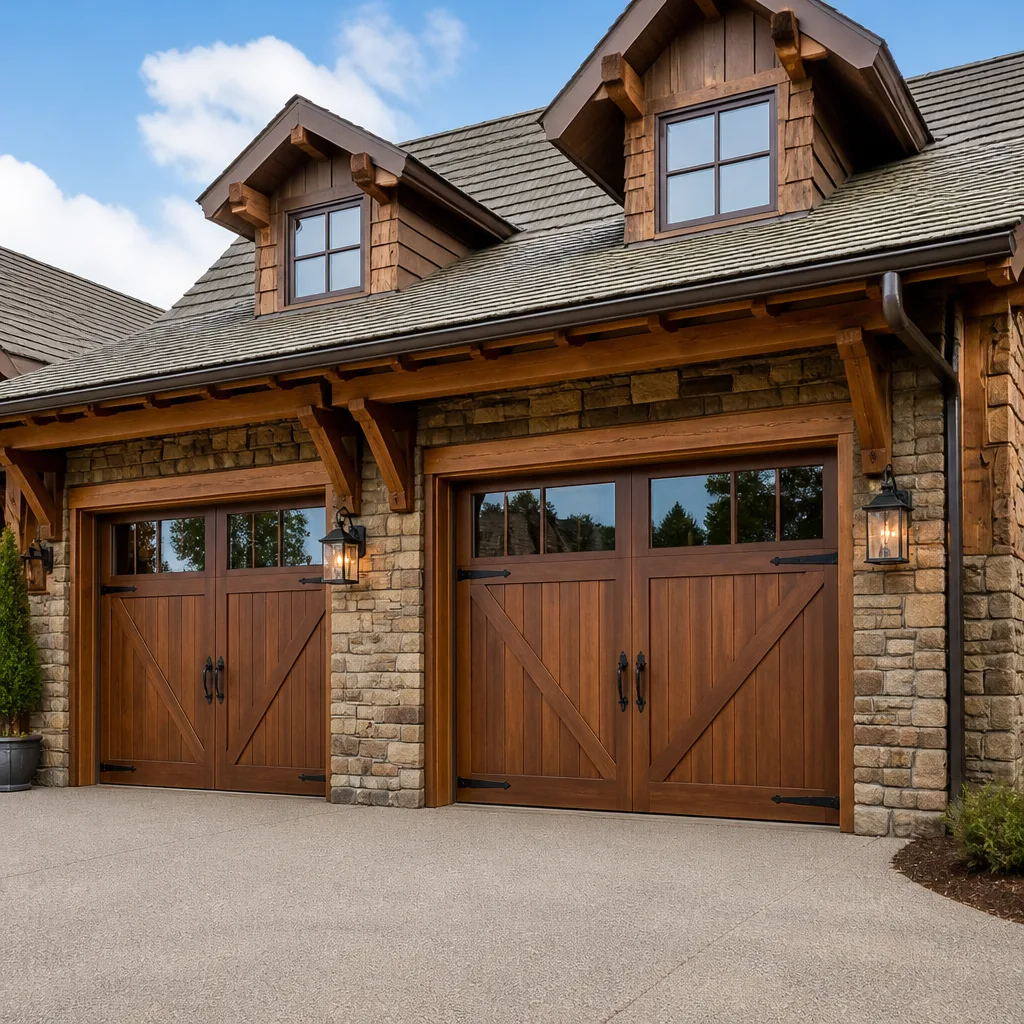 Carriage house
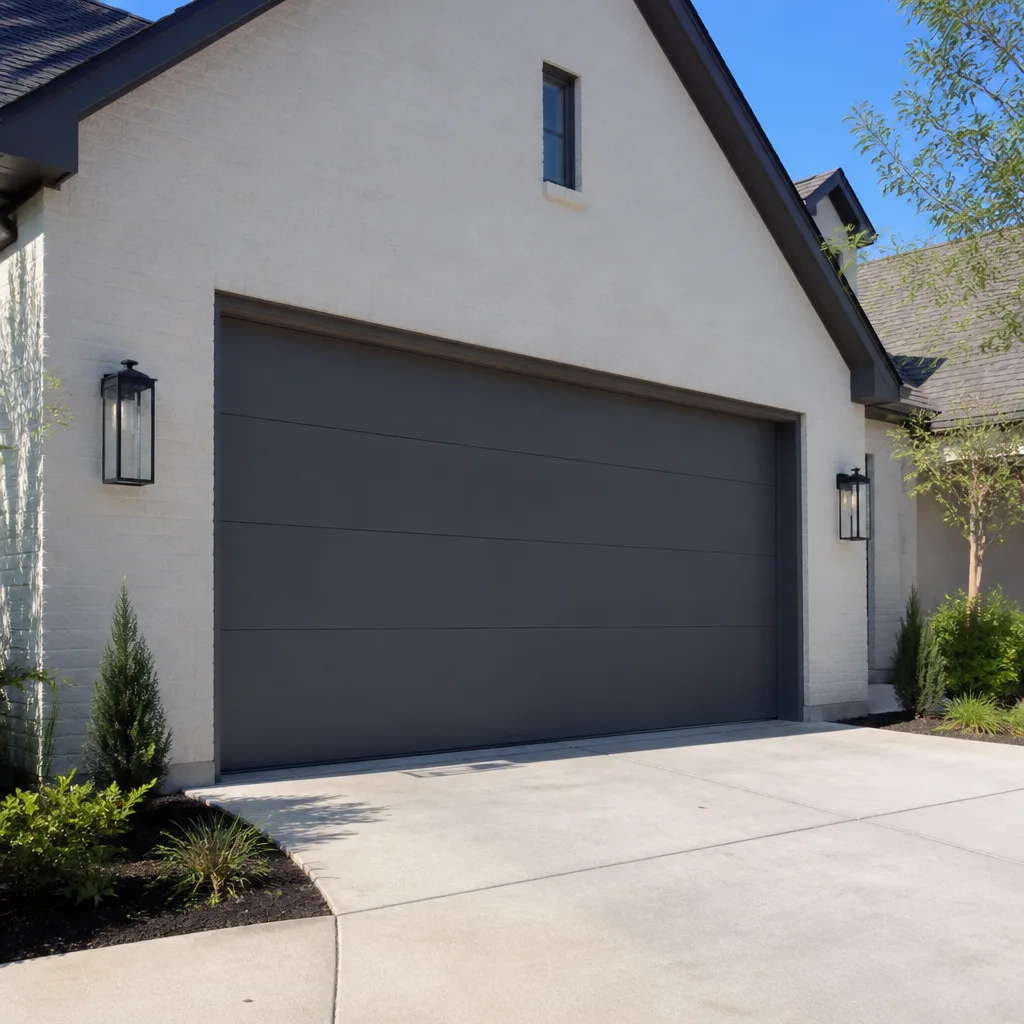 Modern flush
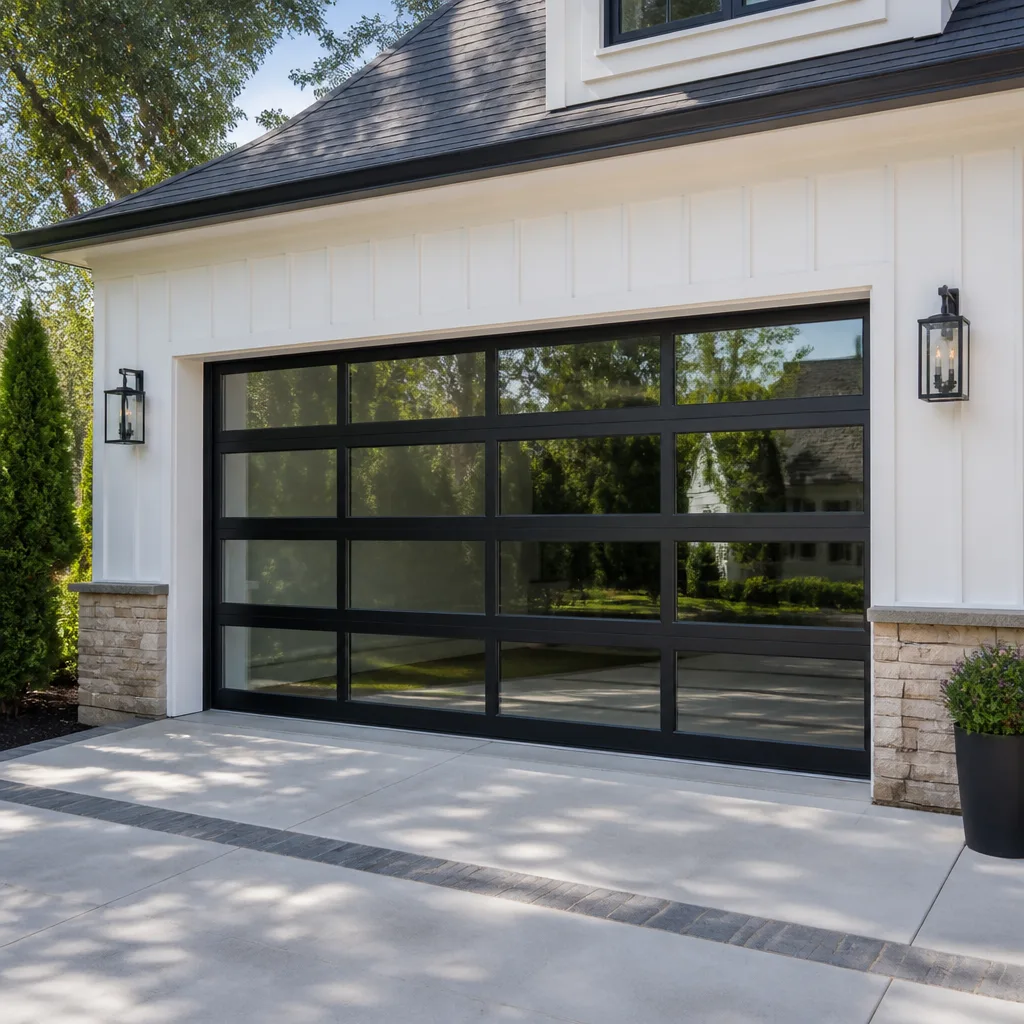 Full-view glass
 LiftMaster openers
 Chamberlain openers
Full 25-point door and opener safety check with every visit - springs, cables, rollers, tracks, and your LiftMaster or Chamberlain opener included
You get a price before we start. It does not change when the pro arrives.
Get your free estimateSeasonal Garage Door Care for Lake City: Year-Round Homeowner’s Guide
Most homeowners across Lake City assume January is the month their garage door is most likely to fail. That’s rarely how it works here. October is the damaging month, because the first sustained rains land on a door system that has spent all summer expanding and drying out, and that sudden shift is when weather seals fail, wood panels split at the joints, and rust starts on springs that looked perfectly fine in September. This guide maps garage door care to Lake City’s real weather rhythm: one long wet season, a short dry summer, and two unpredictable transitions. You’ll get a season-by-season task list, the specific things to inspect in each phase, and clear signals for when a job belongs in the hands of a trained technician.
Styles & brands we work with
- Raised-panel steel
- Carriage house
- Modern flush
- Full-view glass
- LiftMaster openers
- Chamberlain openers
Quick Answer
Seasonal garage door care in Lake City should be built around your wet season, not the calendar on the wall. The highest-priority inspection of the year is in late September and early October, before the first sustained rain, when you check seals, wood panel joints, spring condition, and the door’s balance. After that, focus on winter operation and sensor function, a spring check for rust and cable wear once the rain eases, and a summer pass for UV damage and heat-driven gaps that set up the next fall.
Table of Contents
- Why Lake City’s Weather Doesn’t Follow the Calendar
- Fall: The Highest-Priority Season for Your Garage Door
- Winter: Operating a Door Through Sustained Wet and Low Light
- Spring: What a Wet Winter Does to Springs, Cables, and Seals
- Summer: The Deceptive Risks of Dry Heat and UV
- Your Season-by-Season Task Summary
- What You Should Never Adjust Yourself
- Common Mistakes to Avoid
- When to Call a Professional
- Frequently Asked Questions
- The Bottom Line
Why Lake City’s Weather Doesn’t Follow the Calendar
Lake City doesn’t get four distinct, evenly spaced seasons. The year here splits into a long stretch of wet, cool weather, a short dry summer, and two transition windows that swing fast. That pattern matters more to a garage door than to almost anything else on your house, because the door is a large moving assembly of wood, steel, rubber, and high-tension springs that all respond differently to moisture and heat.
Compare this to how most seasonal maintenance advice is written. A typical guide assumes you’re prepping for snow load and hard freezes, the way you would across Eastern Washington. That advice doesn’t fit what actually stresses doors in Lake City. A snow-load checklist tells you nothing about what months of sustained damp does to a torsion spring, or why a bottom seal that sat tight in August can leak in November.
So we build care around the cycle here: moisture exposure during the wet months, UV exposure during the dry ones. The two biggest stress points are the transitions between them. When the air shifts from dry to wet in the fall, materials that have shrunk and dried all summer swell quickly. When it shifts from wet back to dry in the spring, the reverse happens. Both transitions land hard, and both reward a homeowner who inspected ahead of time.
- Long wet season: months of moisture, short daylight, and condensation on cold steel
- Short dry summer: strong sun, dry air, and the highest UV exposure of the year
- Two transitions: the fall changeover (dry to wet) and the spring changeover (wet to dry)
The practical takeaway: in Lake City, your best maintenance moment of the year is the fall transition. Everything else is maintenance around that anchor point.
Fall: The Highest-Priority Season for Your Garage Door
If you do one full inspection a year in Lake City, do it in late September or early October, before the first sustained rains settle in. Here’s the reasoning. Through summer, wood panels dry out and shrink slightly, weather seals stiffen and lose elasticity, and steel components expand. The first heavy rain hits that dried-out, stressed system all at once. Seals that were merely aging in August start letting water in by late October. Wood panels crack at the joints where they’ve drawn up. Springs that looked clean in dry weather begin to show rust streaks.
A fall check catches these things while they’re still cheap to fix. Complete these tasks before the rains arrive:
- Inspect the bottom seal and side weatherstripping. Look for stiff, cracked, or flattened rubber. A seal that won’t spring back when you press it has stopped doing its job.
- Check wood panel joints. Run a hand along the seams of each panel and look for hairline gaps. Seal any small openings before water gets in and freezes or soaks the wood.
- Look at the springs and cables. Any orange or brown tinting on a torsion spring is early rust, and rust weakens springs. Frayed strands or kinks in a cable mean it needs attention before winter.
- Test the door balance. Disconnect the opener and lift the door halfway by hand. A balanced door stays put. One that slams down or needs a shove to raise is telling you the springs are off.
- Clear the tracks and lubricate moving parts. Wipe out debris and apply a proper garage door lubricant to hinges, rollers, and the torsion spring, not household oil.
- Check the opener’s safety reverse. Place a roll of paper towels in the door’s path and confirm it reverses on contact. Do this before the dark, wet months when an opener fails silently.
For a step-by-step on the repair side of these issues, see our page on garage door repair. Getting ahead of a fall problem here is worth more than fixing it in the middle of a wet week.
Winter: Operating a Door Through Sustained Wet and Low Light
Winter in Lake City puts its own kind of stress on a garage door, and it isn’t snow. It’s months of steady moisture, condensation that forms on cold steel, and very short daylight. The operational risks cluster around three things: water intrusion, opener strain, and safety sensors that misbehave in dim, damp conditions.
Start with water. A bottom seal that kept the rain out in October has been sitting in constant dampness for weeks by midwinter. Test it by sliding a piece of paper under the closed door along the whole width. If it pulls out easily anywhere, water can get in there too, and so can cold air that makes the opener work harder. A stiff or waterlogged seal is one of the most common calls we handle as the wet season wears on.
Then look at the opener. Cold, damp air thickens the grease in the tracks and rollers, which adds resistance. If the opener has been struggling since fall, winter exposes it. Listen for grinding, rattling, or a door that hesitates mid-travel. That’s an opener laboring against friction it shouldn’t have. Our garage door opener repair service handles these issues on the major brands we work with, including LiftMaster and Chamberlain units that are common on Lake City homes.
Finally, the safety sensors. In low winter light and damp air, dirty or misaligned photo-eye sensors cause more phantom reversing than any other time of year. Wipe the lenses clean, make sure both eyes point at each other, and clear any cobwebs or moisture. If the door reverses for no obvious reason, a sensor issue is the first place to look.
Winter winter-operation checklist
- Test the bottom seal for leaks with the paper test
- Lubricate moving parts and check roller wear
- Wipe and re-align both safety sensors
- Listen for opener strain and hesitation
- Look for condensation or rust forming on springs and steel panels
Spring: What a Wet Winter Does to Springs, Cables, and Seals
Once the wet season starts to ease, the spring inspection is about finding what months of humidity and use have worn down. The parts to look at hardest are the ones that sat in moisture all winter: the torsion springs, the lift cables, and the bottom seal. This is also the moment when the shift from wet back to dry can make problems show up that were masked during the damp months.
Springs are the priority. Rust is the quiet enemy here. A torsion spring that picked up surface rust through the wet months is weaker than its rating, and it usually fails at the most inconvenient time, when the door is under load. Look for visible rust, any gap where the spring coil appears uneven or gapped, and a door that suddenly feels heavier to lift. Never try to inspect a spring by winding or unwinding it. That’s high-tension work and belongs to trained hands.
Cables are next. A frayed cable, one with broken strands, or one that looks kinked or off the drum is a real safety concern. Cables under tension can snap, so this is a call-a-professional finding, not a repair to attempt with household tools. As for the bottom seal, winter is the season that ages it fastest. If it’s torn, crushed, or coming loose at the edges, replacing it now protects the door through the dry season and the next wet one.
When we inspect a door in spring, we look at spring condition, cable wear, the bottom seal, track alignment, and whether the door still balances and travels smoothly. Springs are something we treat as a core part of the work, not an afterthought, because they’re the component most often responsible for a door that stops operating. If you’re unsure what condition yours are in, that’s exactly what a professional inspection is for.
Summer: The Deceptive Risks of Dry Heat and UV
Summer is when a garage door looks fine and is quietly setting up a fall failure. The dry, sunny months are easy on the door in the short term but hard on the materials that protect it. Two problems dominate: UV damage to weatherstripping, and heat-driven gaps in wood panels.
Sun exposure breaks down rubber. The bottom seal and side weatherstripping that face the sun’s path lose elasticity, crack, and harden. By the time fall rains arrive, that seal has already stopped sealing, which is why so many water-intrusion problems trace back to a summer-worn seal, not the rain itself. Take a close look at any weatherstripping that gets direct sun. If it’s cracked or chalky, replace it in late summer, ahead of the fall changeover.
Wood panels face the opposite problem. Dry summer air pulls moisture out of the wood, and panels shrink slightly, opening hairline gaps at the joints. Left alone, those gaps are exactly where the first fall rains get in, so the door is set up to fail the moment the season turns. Sealing small gaps in late summer is one of the highest-value things a Lake City homeowner can do.
This is also the season to check the opener’s lubrication and the door’s balance, because heat can change how freely the door moves. A Clopay or Amarr steel door, for example, expands in summer heat; if you notice the door sounding different or moving less smoothly, a balance and lubrication check makes sense before fall. A free measure and a written price are what we offer on any larger work you’re considering, such as replacing a worn door, and our garage door installation team can walk you through options if a repair no longer makes sense.
Your Season-by-Season Task Summary
Here’s the whole year on one page, mapped to the way weather actually moves through Lake City rather than the dates on a calendar. Use the frost and rainfall timing as your cue, not a fixed month.
- Late summer, before the first sustained rain (usually September into early October):
- Highest-priority inspection of the year
- Check and replace weather seals and weatherstripping
- Seal any small gaps at wood panel joints
- Inspect springs and cables for rust and wear
- Test the door’s balance and the opener’s safety reverse
- Lubricate hinges, rollers, and tracks
- Through the wet season (winter):
- Test the bottom seal for water intrusion with the paper method
- Keep sensors clean and aligned in low light
- Watch for opener strain from cold, damp tracks
- Look for condensation and rust on springs and steel
- After the wet season eases (spring):
- Priority check on torsion spring rust and cable wear
- Replace a winter-worn bottom seal
- Confirm track alignment and smooth travel
- Re-test balance and safety reverse
- Dry summer:
- Inspect weatherstripping for UV cracking and hardening
- Seal any heat-driven gaps in wood panels
- Lubricate moving parts and check opener function
- Plan fall replacement of any worn seal now
Pin the fall inspection to the actual first sustained rain in your part of Lake City rather than a fixed date. Starting the week before the rains typically begin gives you the best shot at a dry, sealed door for the wet months.
What You Should Never Adjust Yourself
Some garage door maintenance is genuinely within a homeowner’s reach: wiping sensors, cleaning tracks, testing the door’s balance, and sealing small gaps. Some of it is not. Garage door springs and cables are under extreme tension, and handling them without training is one of the most common ways people get seriously hurt at home. This is the one part of the trade where a real expert will always tell you to stop and call.
Specifically, don’t attempt any of these yourself:
- Winding, unwinding, or replacing a torsion spring. A spring under tension can release violently. This is not a DIY job.
- Adjusting, tightening, or replacing lift cables. A frayed cable under load can snap.
- Re-tensioning or swapping springs to fix a heavy door. Balance problems trace back to spring tension, which needs to be set correctly.
- Working on the opener’s internal drive components or high-voltage wiring. Electrical work belongs to a trained technician.
What you can safely do is check for the warning signs: visible rust or gaps in a spring, frayed cables, a door that feels much heavier than usual, or a door that won’t stay up. When you see any of those, stop operating the door where you can and get a professional to look at it. Our technicians have up to 11 years of experience with this kind of high-tension work, and springs are a dedicated part of what we do.
Common Mistakes to Avoid
- Treating January as the risk month. In Lake City the first sustained rains in fall are the real stress point, because that’s when a summer-dried door gets hit with moisture all at once. Inspect in late September, not midwinter.
- Assuming Eastern Washington snow advice applies here. Snow-load checklists don’t address what months of damp does to springs, seals, and cables in Lake City. Match your care to the wet-season cycle, not a snow forecast.
- Ignoring a summer-worn seal until fall. UV and dryness age weatherstripping through the summer. If you wait for the rain to notice the seal is shot, the water is already in.
- Trying to adjust springs or cables yourself. These are high-tension components and the most common source of serious garage door injuries. Leave spring work to a trained technician.
- Using household oil or grease on tracks and moving parts. The wrong lubricant attracts grit and can thicken in cold, damp weather, adding strain to the opener. Use a proper garage door lubricant.
- Overlooking the opener until it fails. The opener is a separate system from the door, and it ages differently. Check it alongside the door every season rather than only when it stops working.
- Assuming any brand will do. Opener brands and door brands are different technical worlds. A technician who knows a LiftMaster opener isn’t automatically qualified on a Raynor door. Work with someone who knows the specific equipment you have.
When to Call a Professional
Some seasonal checks are yours to do; others need trained hands and the right parts. Call a professional if you find rust, gaps, or uneven coils on a torsion spring, if a cable looks frayed or off its drum, if the door feels dramatically heavier or slams down, if the opener grinds or hesitates, or if the door reverses with no obstructions. Any of these points to a component under load, and those are the ones that need a trained technician, not a generalist handyman guessing at spring tension.
Lake City Garage Door Repair offers free estimates in Lake City. One call covers the whole door: we handle repair, opener work, spring repair, and parts, and we service a wide range of brands including Clopay and Amarr doors and Genie openers, so you don’t have to find a second company to finish the job. We carry parts, so a missing component doesn’t turn into a return visit. Call (888) 991-5420 and we’ll schedule a free estimate, with the price quoted and agreed before any work begins.
If you’re starting from square one and just want a specialist you can trust with your whole door, start with Lake City Garage Door Repair and we’ll take it from there.
Frequently Asked Questions
Fall, right before the first sustained rains, usually late September into early October. That’s when a door that has dried out all summer gets its first real moisture, which is when seals fail, wood panels crack, and rust starts on springs. Getting the inspection done ahead of the rain is the single highest-value task of the year.
About four times a year, timed to Lake City’s seasons rather than fixed calendar dates. A full inspection in the fall before the rains, a winter check for water intrusion and opener strain, a spring pass focused on springs and cables, and a summer check for UV damage and heat-driven gaps each cover a different part of the system.
No, not the way it is across Eastern Washington. Lake City’s challenge is sustained wet weather and two sharp seasonal transitions, not heavy snow. That’s why snow-load checklists don’t fit here and why your care should focus on moisture, seals, spring rust, and UV exposure instead.
No. Garage door springs and cables are under extreme tension, and handling them without training is one of the most common causes of serious injury. This is the one part of garage door care that should always go to a trained technician. If you see rust, gaps, or fraying on a spring, stop operating the door and call a professional.
Most often it’s the safety sensors. In the low light and damp air of a Lake City winter, dirty or misaligned photo-eye sensors cause phantom reversing more than at any other time of year. Wipe the lenses clean and check that both sensors point at each other. If it still reverses, that’s a good reason to call for an inspection.
We service eight of the most widely installed brands: LiftMaster, Chamberlain, Genie, Clopay, Amarr, Wayne Dalton, Craftsman, and Raynor. That covers the equipment most Lake City homeowners actually have. Whatever brand is on your door or opener, we likely know it well.
Your written estimate is the price, and the work is quoted and agreed before anything starts. We give a free estimate first, so you know the cost up front rather than discovering it on an invoice. Call (888) 991-5420 to schedule a free estimate.
The Bottom Line
Garage door care in Lake City works best when it follows the region’s actual weather, not the calendar. The most damaging moment of the year is the fall changeover, when summer-dried seals and wood panels meet the first sustained rain, so that’s the inspection to prioritize. After that, keep an eye on winter moisture and sensors, inspect springs and cables once the wet season eases, and replace UV-worn weatherstripping in late summer before it sets up the next fall. Do the safe checks yourself and hand the high-tension spring and cable work to a trained technician. A free estimate from Lake City Garage Door Repair is a good place to start: call (888) 991-5420.
Written by the team at Lake City Garage Door Repair.
See the difference
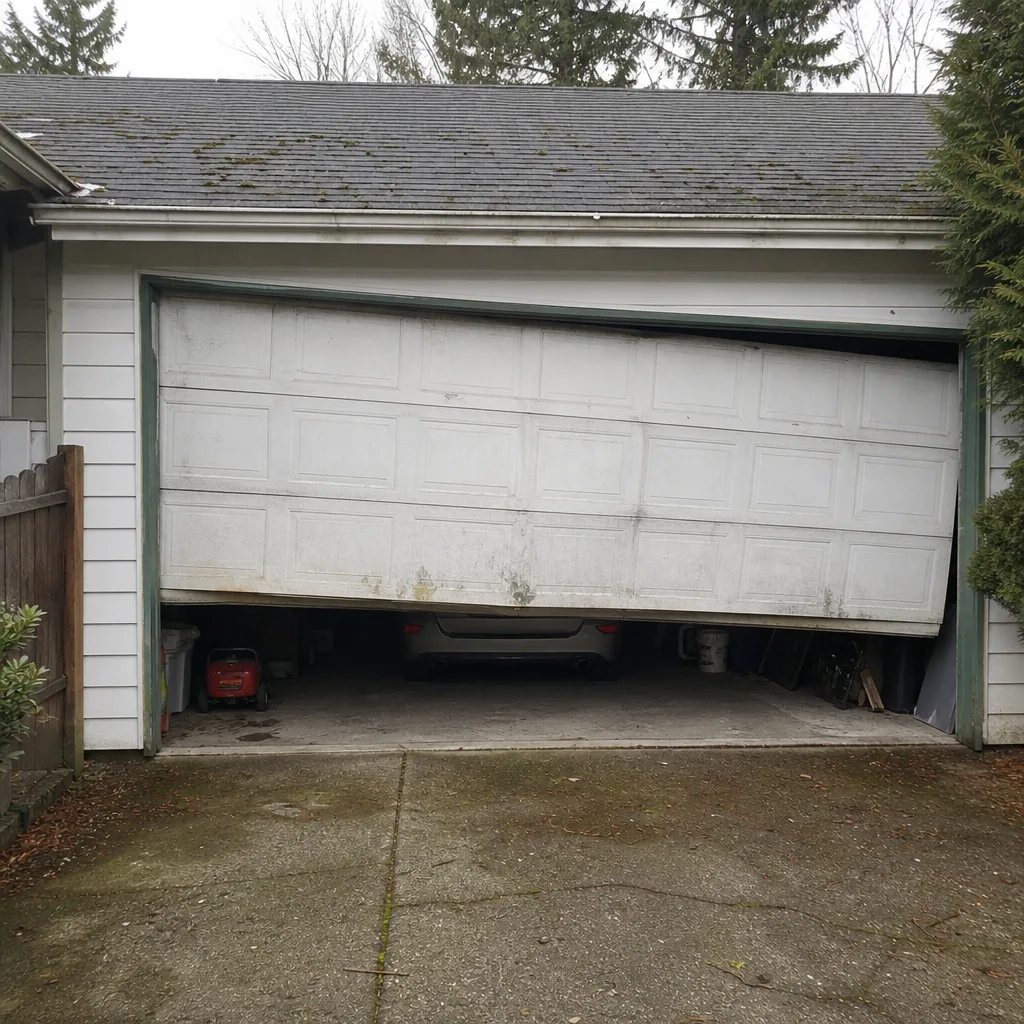 Before
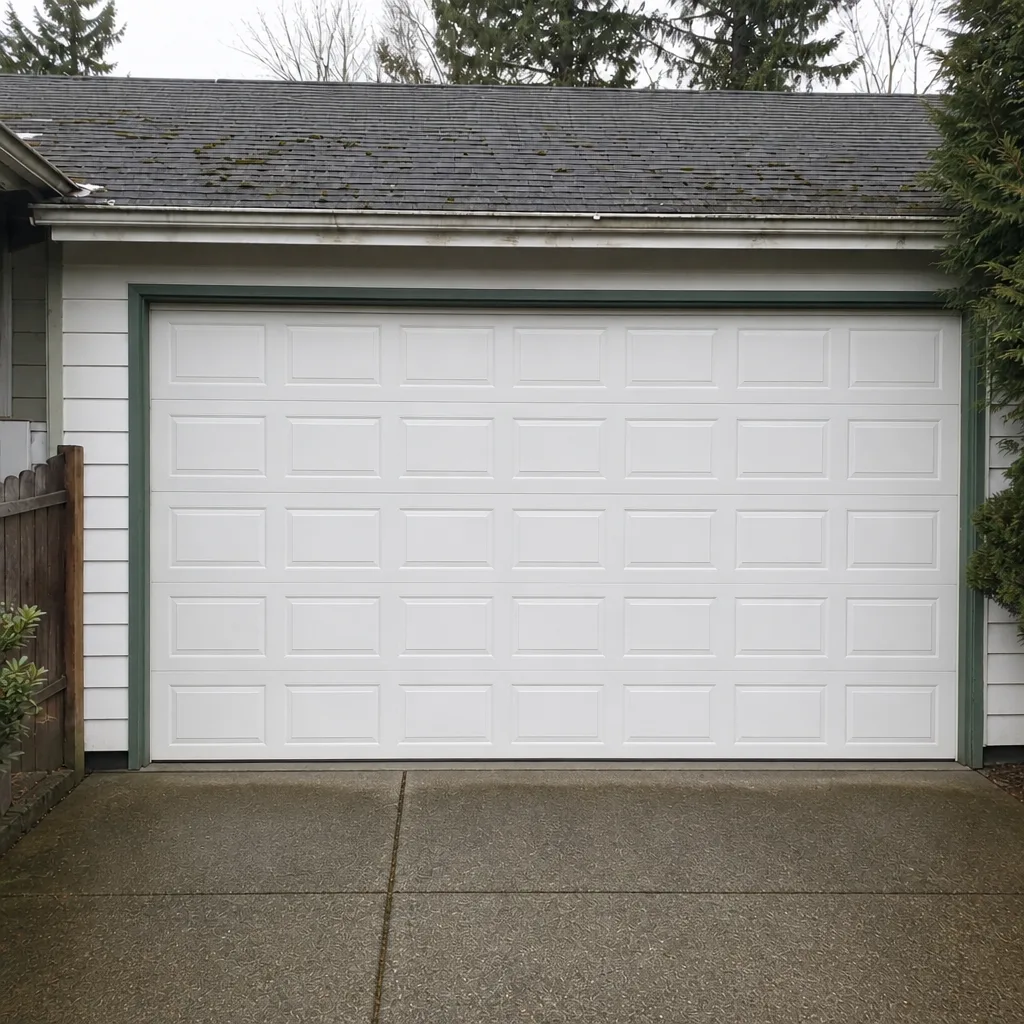 After
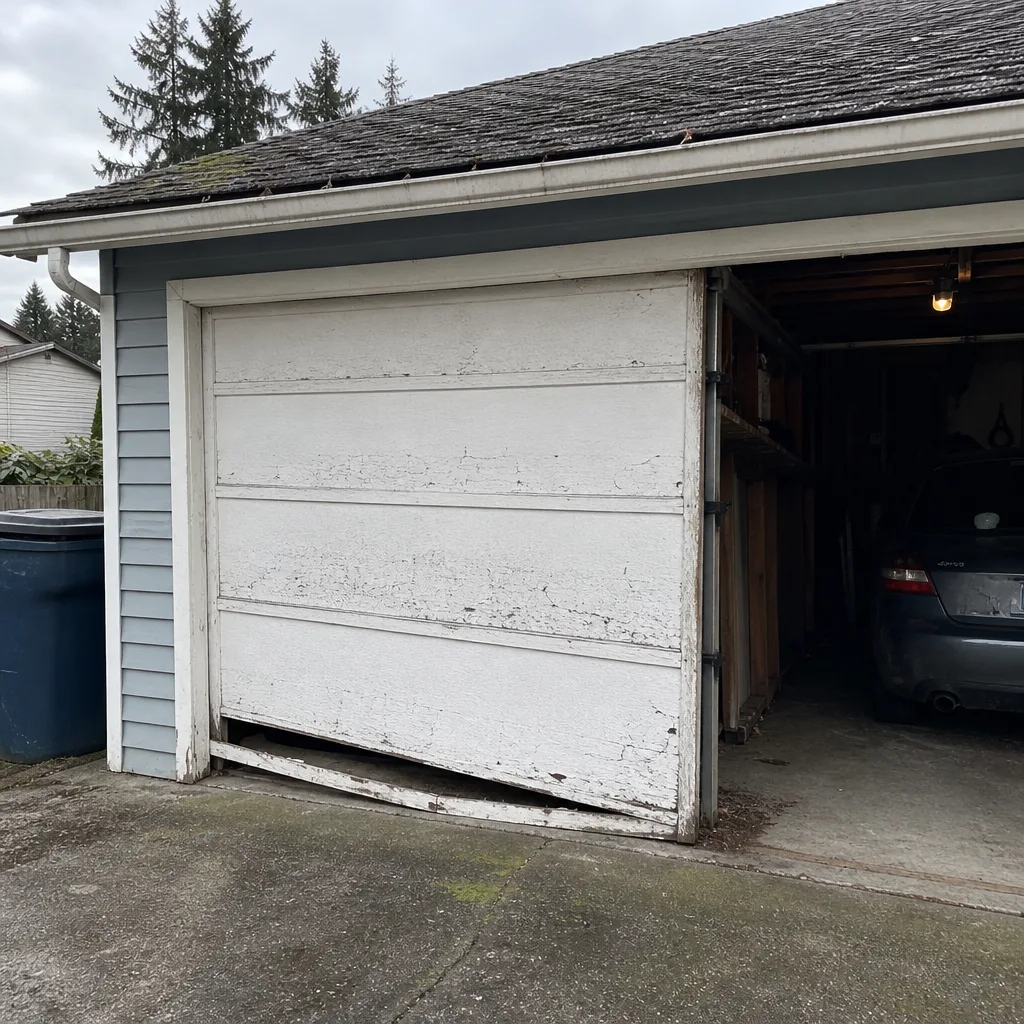 Before
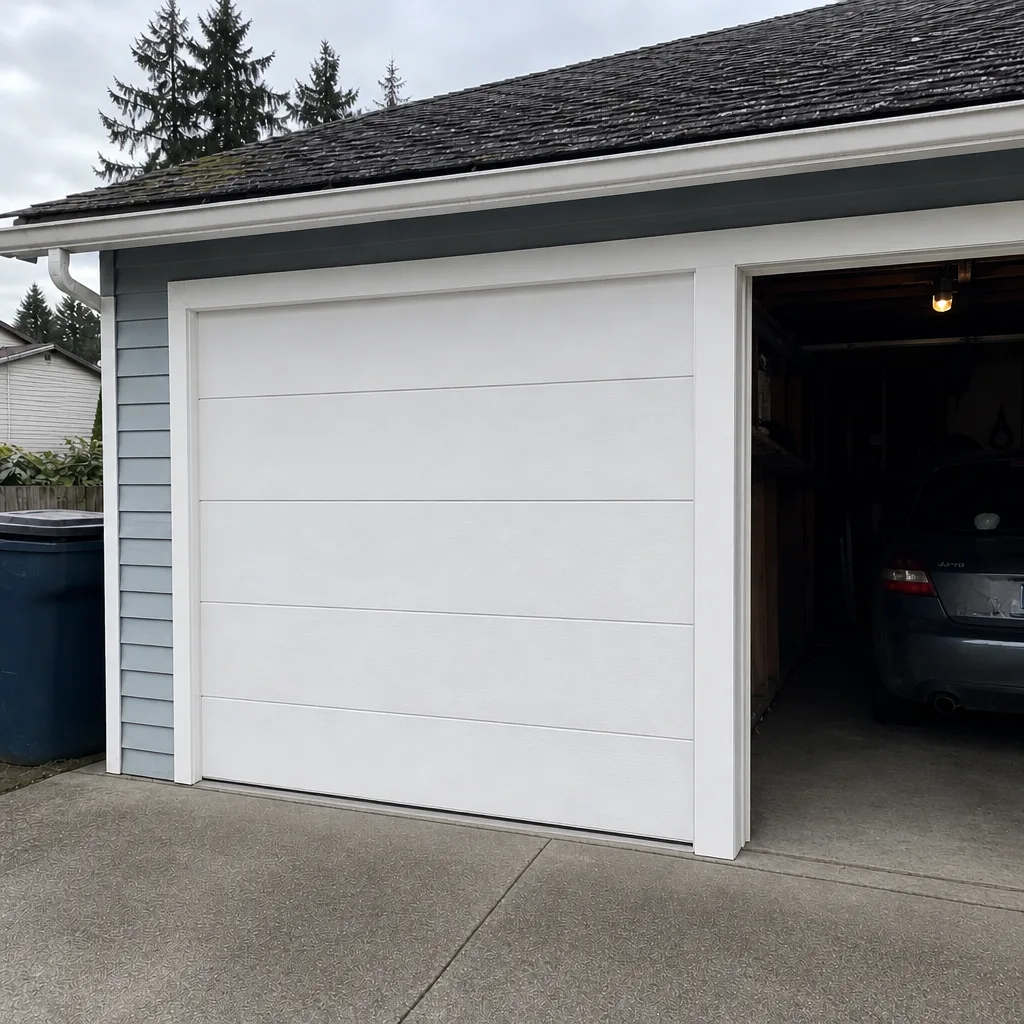 After
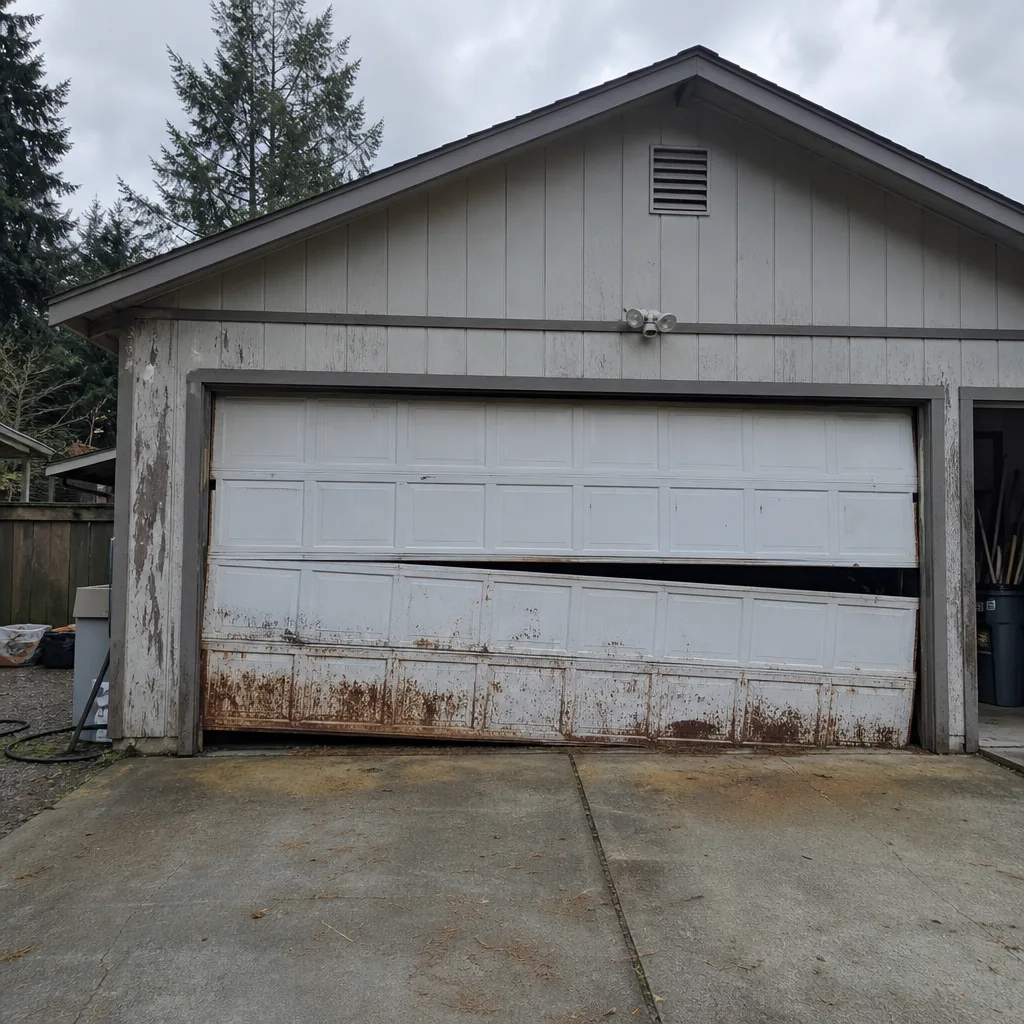 Before
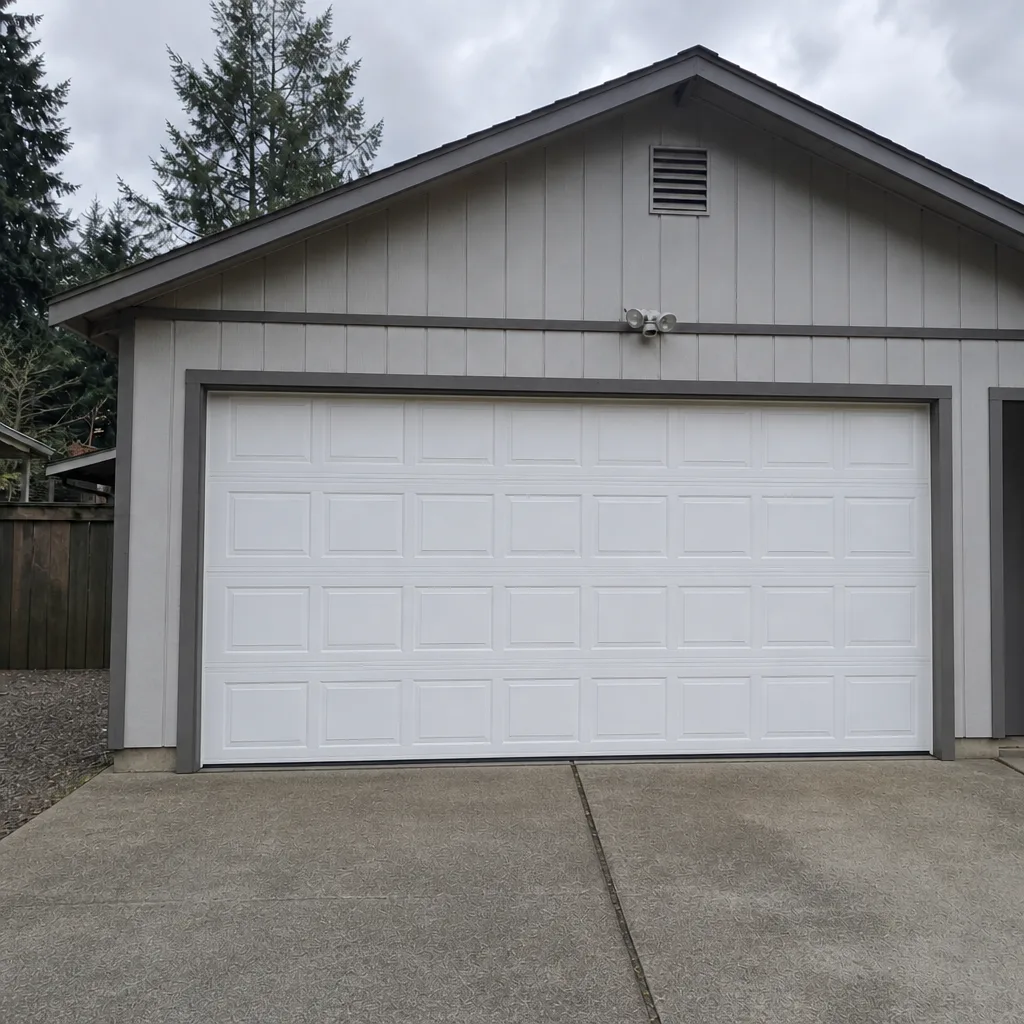 After