Last updated November 21, 2026
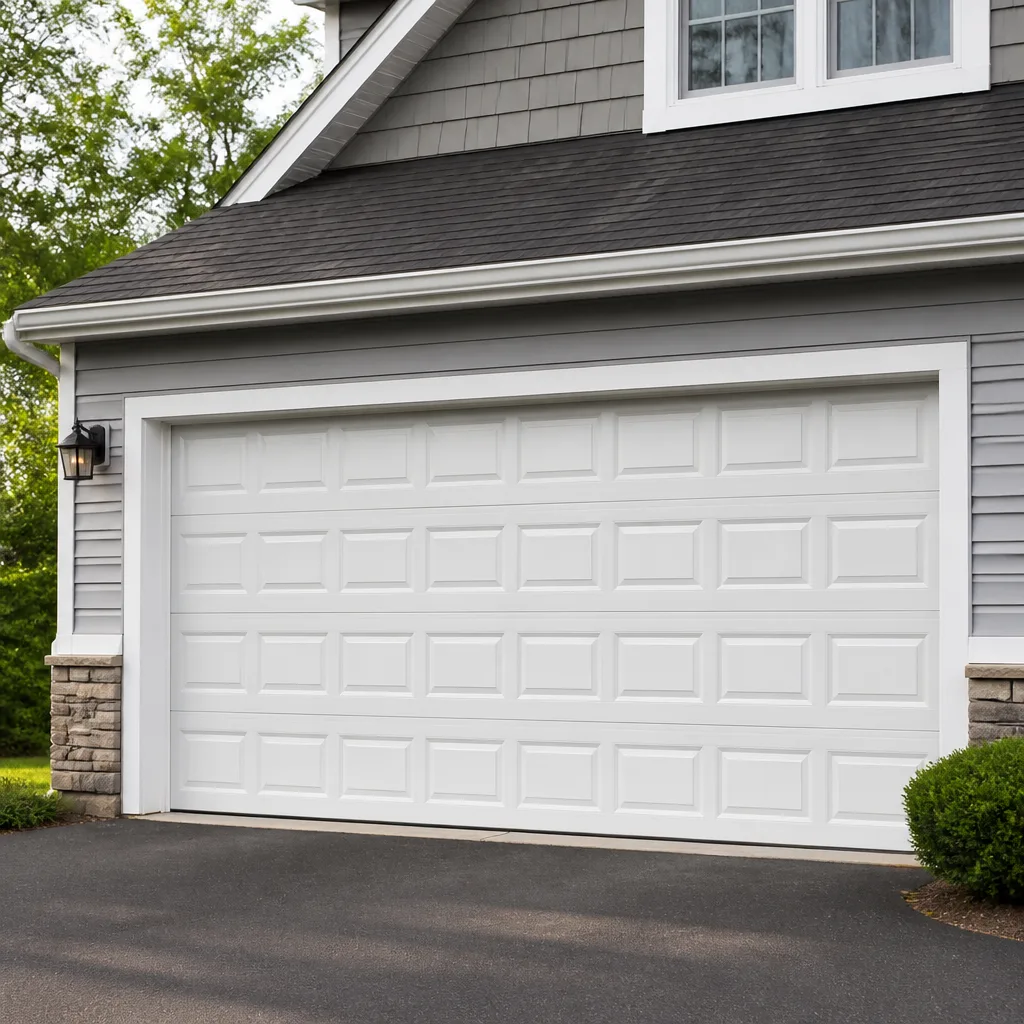 Raised-panel steel
 Carriage house
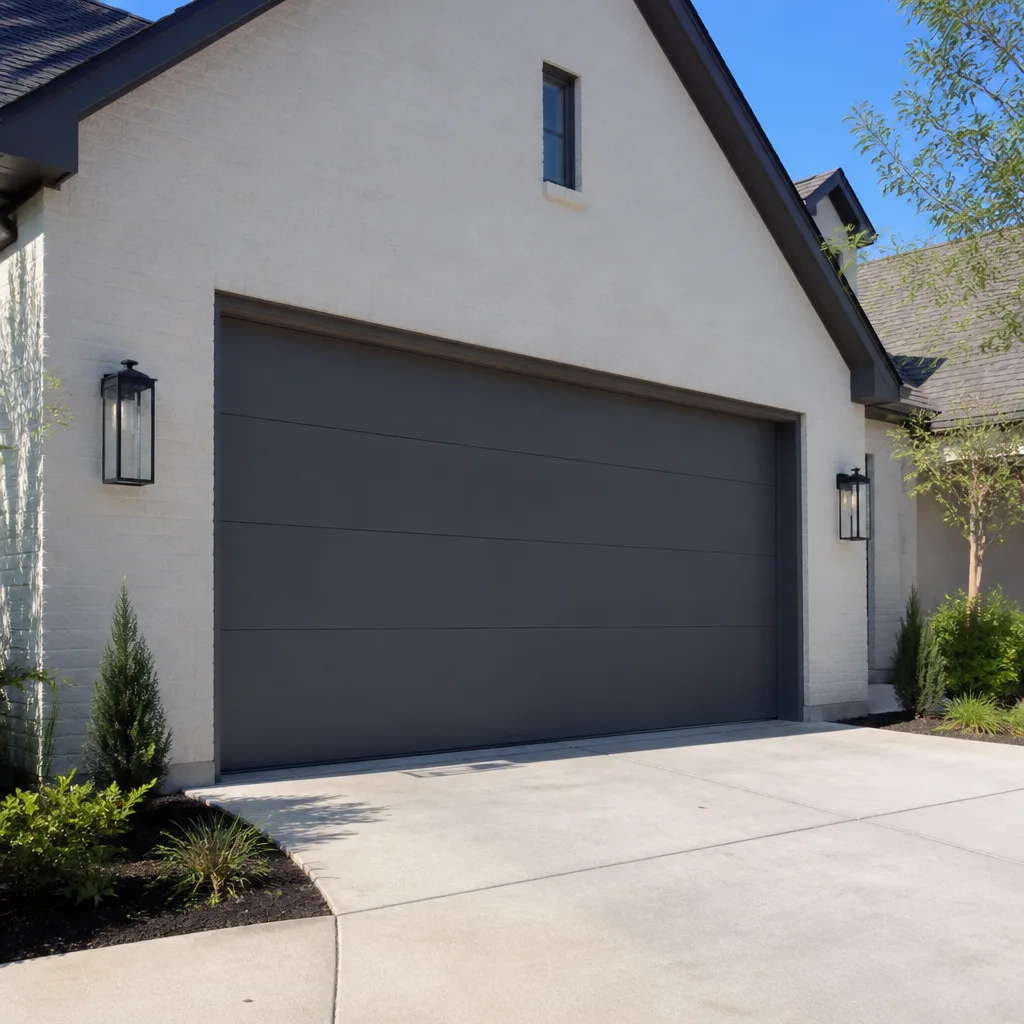 Modern flush
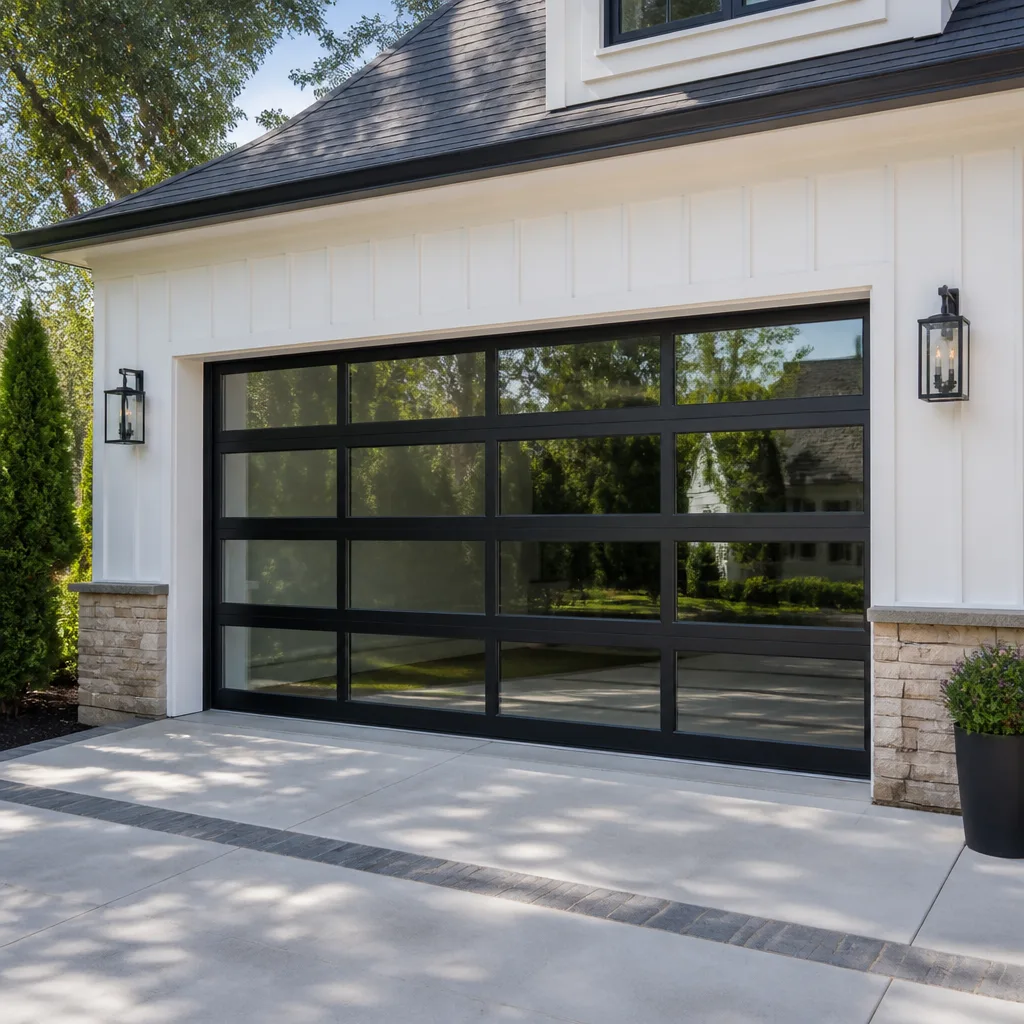 Full-view glass
 LiftMaster openers
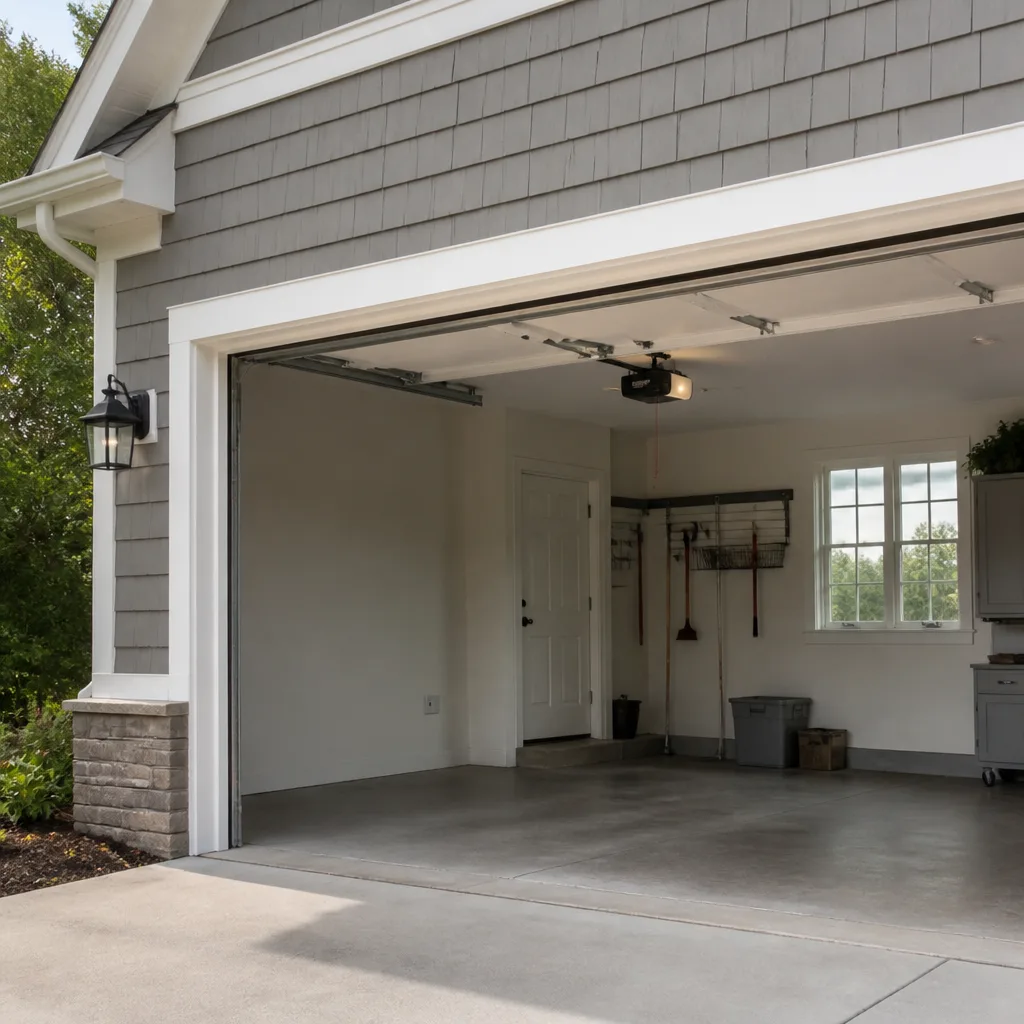 Chamberlain openers
Full 25-point door and opener safety check with every visit - springs, cables, rollers, tracks, and your LiftMaster or Chamberlain opener included
You get a price before we start. It does not change when the pro arrives.
Get your free estimateGarage Door Emergency Preparedness Guide for Lake City Homes
When a Puget Sound windstorm knocks out power for 36 hours, the homeowner who knows how to manually release and re-secure a garage door is fine. The homeowner who doesn’t is either trapped inside or leaving the house open to the street. In Lake City, those multi-day outages are a recurring part of life, not a freak event. Most garage door advice assumes the problem is a broken part. It doesn’t prepare you for the door that works fine but has no power, the door that survived an earthquake but shouldn’t be moved, or the door sitting in standing water after a blocked drain backs up. This guide covers the situations where a stuck door becomes a real access or safety problem, and exactly what to do before help arrives.
Quick Answer
A garage door emergency plan for a Lake City home comes down to four things: knowing how to release the door from the opener by hand, knowing how to re-lock it so nobody can lift it from outside, keeping a small emergency kit on the wall, and knowing the few situations (seismic damage, standing water, a snapped spring) where you should not operate the door at all. The manual release takes under a minute once you’ve practiced it. Practicing it during a calm afternoon is the whole point.
Styles & brands we work with
- Raised-panel steel
- Carriage house
- Modern flush
- Full-view glass
- LiftMaster openers
- Chamberlain openers
Table of Contents
- What to do when the power goes out in Lake City
- Manual release for the three most common opener types
- How to secure a door that won’t re-engage
- Earthquake protocol: when not to touch the door
- Flood and storm damage: what water does to your door system
- The emergency kit every Lake City garage should have
- How to practice your plan before you need it
What to do when the power goes out in Lake City
Prolonged outages from windstorms hit this part of the Puget Sound region hard because so much of the power runs through overhead lines and mature trees. When the electricity drops, a modern opener does nothing at all: the motor has no current and the door stays locked to the rail. Older chain-drive units and most belt-drive openers behave the same way. That’s the first thing to understand. The door isn’t broken. It’s just holding onto the carriage.
Your garage door and its opener are two separate systems. The door is a spring-balanced panel assembly. The opener is a motor that pulls a carriage along a rail. In a power cut, you detach the carriage from the door with the manual release cord, and from that moment the door moves by hand, held only by the springs.
Here’s the sequence to follow once it’s dark and the power’s out:
- Stay calm and don’t force the door up with the opener still attached. Pulling hard against a locked carriage can bend the rail or damage the operator arm.
- Locate the red manual release cord hanging from the carriage on the rail. It usually hangs within arm’s reach of the door’s top edge.
- Pull the cord straight down (or toward the door opening, depending on the model) until you feel the carriage click free.
- Lift the door slowly by hand. A properly balanced door lifts with one hand and stays where you leave it.
- When power returns, reconnect the carriage by running the opener once so it travels to the door and re-engages automatically, or push the carriage back toward the motor until it clicks, depending on your model.
That sequence works on most residential systems in Lake City, but the details vary by opener. If you’re unsure which kind you have, a garage door opener repair visit is a good time to have us label the release and walk you through it. If the door won’t stay up on its own once released, the springs are the likely cause, and that’s a separate safety issue covered below.
Manual release for the three most common opener types
Three opener families cover the vast majority of garages in Lake City homes: belt-drive units (mostly LiftMaster and Chamberlain), chain-drive units (often Genie and older Craftsman models), and older screw-drive or jackshaft units that show up in tight-ceiling garages. Each releases slightly differently, and under stress people grab the wrong part.
Belt-drive openers (LiftMaster, Chamberlain)
The manual release on belt-drive units is almost always a red cord with a T-handle hanging from the trolley. Pull straight down. These units are quiet and smooth, and the trolley is usually well marked. If the cord is missing or the handle has snapped off, look for the metal tag on the trolley you can pull instead of the cord.
Chain-drive openers (Genie, Craftsman)
Chain-drive openers use the same red cord system, but the carriage sits lower on the rail and can be harder to reach on high-lift doors. On some Genie models the release lever points sideways rather than straight down. If pulling down does nothing, try pulling the lever toward the door opening. Never yank repeatedly; one firm pull is enough.
Screw-drive and jackshaft openers
Jackshaft openers mount on the side wall next to the torsion bar rather than on a ceiling rail, so there’s no overhead cord. The release is a lever on the side of the unit itself, and on some models you have to disengage a clutch. Screw-drive units have an overhead cord like a chain-drive. Because these are less common, most homeowners have never practiced with them, which is exactly why we recommend testing the release now rather than during a storm.
Whichever unit you have, the difference that trips people up under stress is direction. Some levers pull down, some sideways, and some release the door by moving the carriage rather than a cord. Once you know your model, write its release method on a card and tape it to the wall. We service Raynor, LiftMaster, Chamberlain, and Genie systems regularly and can confirm the release method on yours in a short visit.
How to secure a door that won’t re-engage
If the door won’t reconnect to the opener after a power outage, or the opener runs but the door doesn’t move, you have a disconnected carriage. That’s a security problem: a door with a free carriage can sometimes be lifted from the outside with a coat hanger through the gap at the top. Lock it down before you do anything else.
The simplest fix is the manual slide lock or the deadbolt-style locking bar built into many residential doors. Slide it closed on both sides if your door has both. If your door has no manual lock, run a sturdy clamp or a pair of locking pliers on the track just above the bottom roller to prevent the door from being lifted, then leave it in place until the opener can be repaired.
Then work through the re-engagement checks in order:
- Confirm the opener has power. Check the wall switch, the breaker, and whether the opener’s light comes on.
- Press the wall button once. Many openers automatically reconnect the carriage when they cycle.
- If the carriage doesn’t re-engage, manually push it toward the operator until it clicks.
- Test the door with the opener. If it moves, you’re reconnected.
- If it still won’t pull the door, the issue is more than a disconnect. That’s when you call for repair.
If the door is heavy or won’t stay up once disconnected, don’t force it. A door that falls is a serious hazard, and the underlying cause is usually spring-related.
Earthquake protocol: when not to touch the door
Lake City sits in a region where moderate quakes are a real possibility, and the garage door is one of the most earthquake-sensitive parts of a house because it’s a large moving panel hanging on tracks that can shift. After a significant quake, the instinct is to open the door to check on the street. Don’t, until you’ve done a visual inspection.
Do these checks from the ground before touching the opener or the door:
- Look at both vertical tracks along the sides. If either one is bent, bowed, or pulled away from the wall, the door should not be operated.
- Check the horizontal tracks. A shifted crossbar or bent rail header means the panels may bind.
- Look at the panels themselves. Cracks, dents in the middle of a panel, or panels that are visibly out of alignment with each other signal structural damage.
- Look at the spring assembly and cables overhead. If a spring has uncoiled or a cable is loose or off its drum, do not touch the door. High-tension spring and cable work is genuinely dangerous and belongs to a trained technician.
- Check the opener mounts at the ceiling. A loosened motor or a sagging rail changes the geometry and can drop the door.
If any of those checks show damage, leave the door closed (or in whatever position it’s in) and call for professional inspection. Operating a seismically damaged door can drop a panel or worse. This is exactly the kind of issue that our garage door repair service exists for. One general safety note: don’t try to “straighten” a bent track with your own tools. Track alignment affects how the door rides, and a bad adjustment can throw the door off the rail.
Flood and storm damage: what water does to your door system
Lake City’s low-lying streets can collect water fast during heavy rain when storm drains back up. Water at the bottom of the door is a bigger problem than it looks, because it works on three parts of the system at once.
Panel integrity. Steel panels with a wood or foam core can take on water at the seams. Once the core soaks, the panel gets heavier and the balance of the door changes. Wooden and composite panels are even more vulnerable: water softens them at the bottom edge, and once the bottom section swells or delaminates, it may need replacing. Look at the bottom panel for bubbling paint, visible rust along the seams, or soft spots.
Track alignment. The tracks are anchored to the framing, and in a flood the framing can shift slightly. Even a small track movement changes how the rollers ride and can cause the door to bind, which strains the opener.
Electrical components. The opener motor and its safety sensors sit at or near the floor. If the sensors were submerged or even heavily sprayed, they may fail or give false signals. The wall switch and any wiring that got wet need to be checked.
What to do after a flood reaches the door:
- Kill power to the opener at the breaker before you touch anything.
- Don’t run the opener until the sensors and wiring are dry and inspected.
- Open the door by hand if you can, but only if the tracks look straight and the springs look intact.
- Check the bottom weather seal. If it’s waterlogged or torn, it will let more water in next time.
- Call for an inspection before reconnecting power if the motor or sensors were submerged.
If the door was underwater at the bottom, plan on an inspection regardless of how it looks. A repair visit after storm damage catches small problems before they become a door that won’t close.
The emergency kit every Lake City garage should have
A garage door emergency doesn’t need a big kit, but it does need the right small items, and they need to be where you’ll find them in the dark. Here’s what we recommend keeping in a labeled box or hanging on a wall hook in the garage.
- Manual release key or handle. Some openers use a keyed release rather than a pull cord. Keep the key on a hook next to the door, not in a drawer.
- Penetrating lubricant. A spray can of penetrating oil for the tracks and rollers. It frees a stuck roller after a storm and helps the door move by hand when it’s been sitting. Use it on the tracks and hinges, not the springs or cables.
- Flashlight and spare batteries. During a windstorm outage, the garage is dark and you’ll be reaching overhead. Keep a light on the wall, not in a drawer.
- Emergency contact card. A card with the number for your garage door company and the model and serial number of your opener taped to the wall. This is the item most people skip and the one that saves the most time when you call.
- Battery backup considerations. If your opener has a battery backup, test it during a calm week so you know it works. If it doesn’t have one, ask about battery backup as an option when you’re due for an opener replacement. A newer LiftMaster or Chamberlain unit with battery backup is a meaningful upgrade for a home that loses power several times a decade.
- Manual locking bar or locking pliers. For securing the door when the opener is out of action and the door can’t re-engage.
Small duplicates help too. A second flashlight hanging next to the release cord, and a short written reminder of your opener’s release method on a card by the wall switch. In an outage you don’t want to be looking at your phone for instructions with a flashlight in your teeth.
How to practice your plan before you need it
The whole point of this guide is that a garage door emergency is stressful only if you meet it cold. Ten minutes of practice on a normal afternoon makes a 36-hour outage a minor inconvenience instead of a crisis.
- Find your manual release cord or lever and test it while the door is closed. Pull it and confirm the carriage disconnects.
- Lift the door by hand. It should move easily. If it’s heavy, the springs need attention and you should schedule a repair before you need the manual release.
- Reconnect the carriage and test the door with the opener.
- Find your manual lock or locking bar and confirm it works.
- Write down your opener brand and model and keep it by the wall.
- Check that your emergency kit is complete and the flashlight has good batteries.
The single most common outcome of a practice run is discovering a door that’s out of balance, which usually means a spring has lost tension. That’s good to find on a Saturday afternoon with the car out front, not during a storm. If your practice uncovers a spring problem, our dedicated spring service handles it; it’s a core part of what we do, and it’s not something we leave to chance.
Common Mistakes to Avoid
- Forcing the door up with the opener still attached. In an outage, pulling hard against a locked carriage bends the rail or the operator arm. Release the carriage first, always.
- Using the door normally after an earthquake. A bent track or a shifted spring is invisible until the door is moving. Do the visual checks before you touch the opener.
- Trying to fix a broken spring or cable yourself. Springs and cables are under high tension and can cause serious injury. This is not a DIY job, even for a handy homeowner.
- Running the opener after it’s been in floodwater. Power back on with wet sensors or wiring risks a short and can damage the motor. Dry and inspect first.
- Leaving a disconnected door unlocked. A free carriage makes the door easier to lift from outside. Lock the manual bar or clamp the track before you go back inside.
- Lubricating the springs or cables. Penetrating oil on the tracks and hinges is fine. On the springs and cables, oil can hide problems and attract grit. Keep it off them.
- Not knowing your opener’s release method. The biggest trip-up in a dark garage is a lever that pulls sideways instead of down. Write it down.
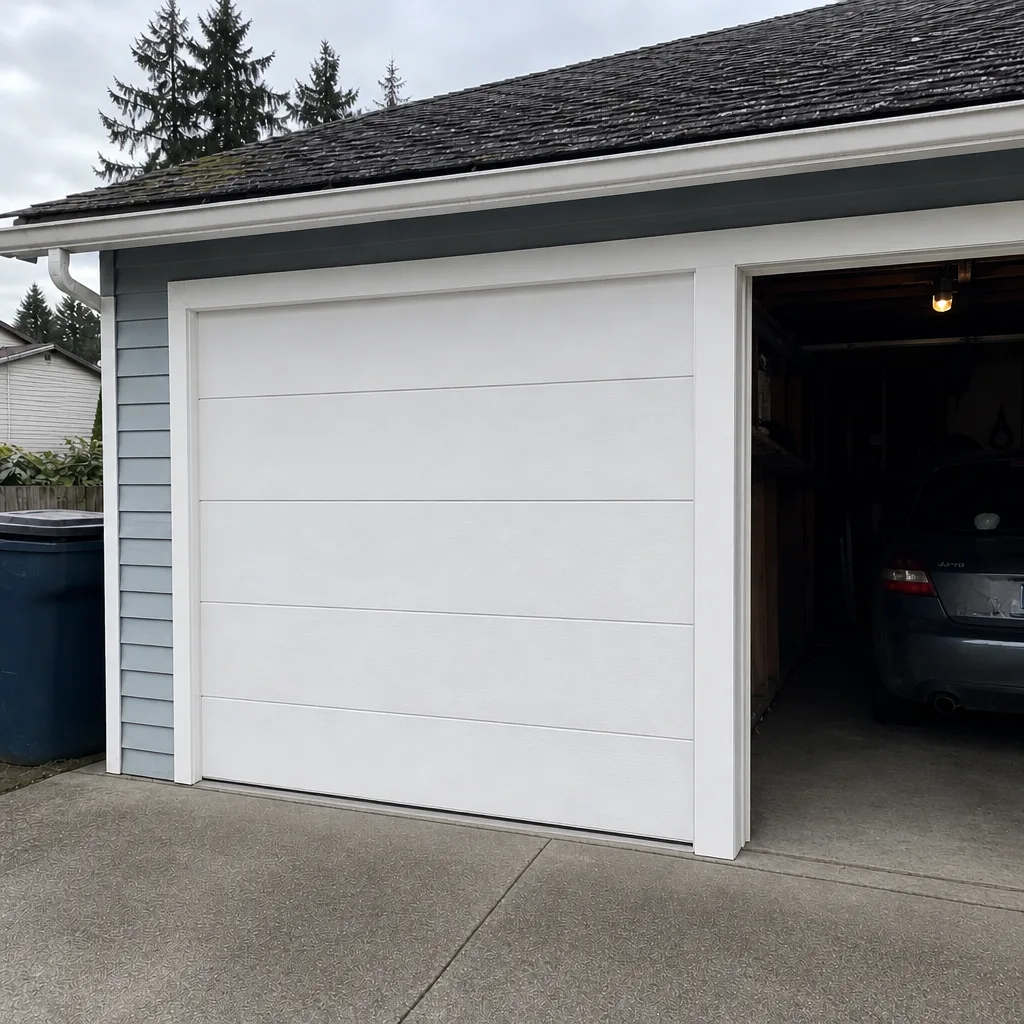
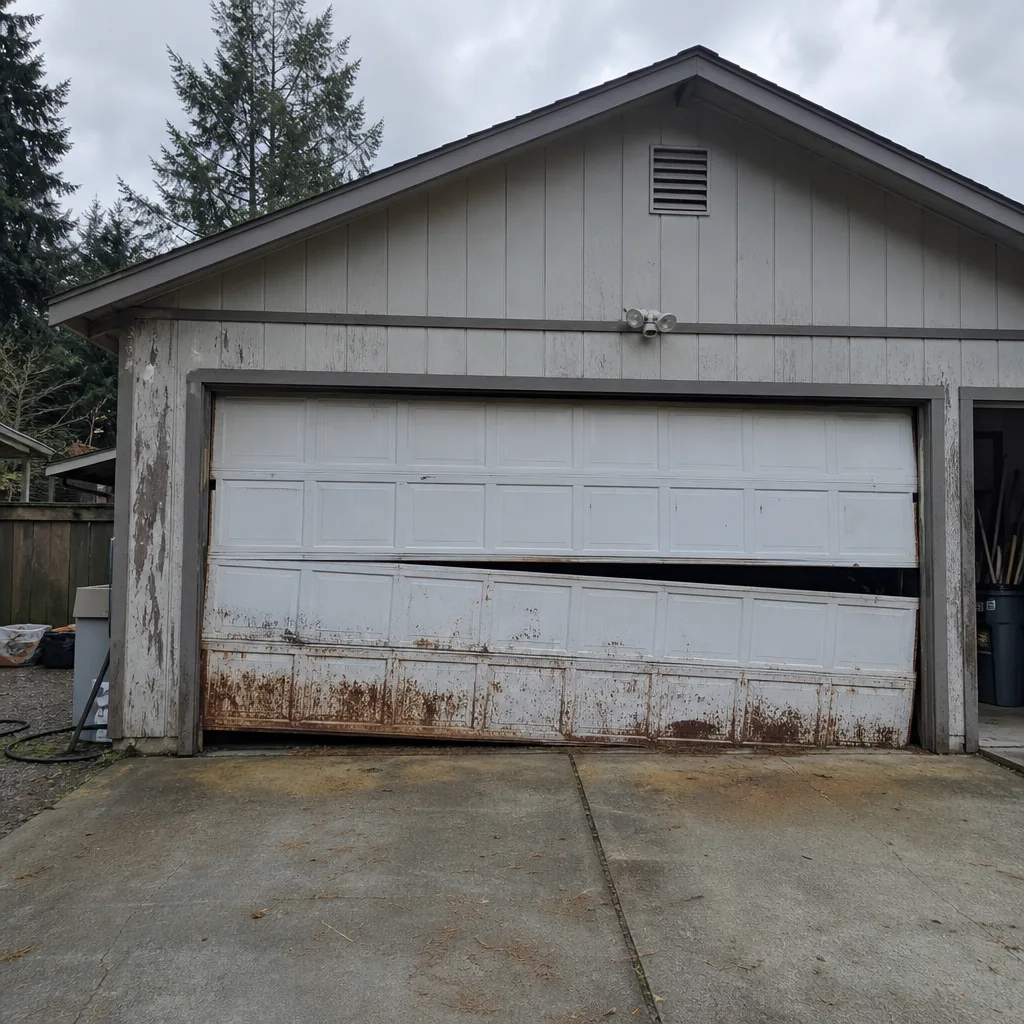
See the difference
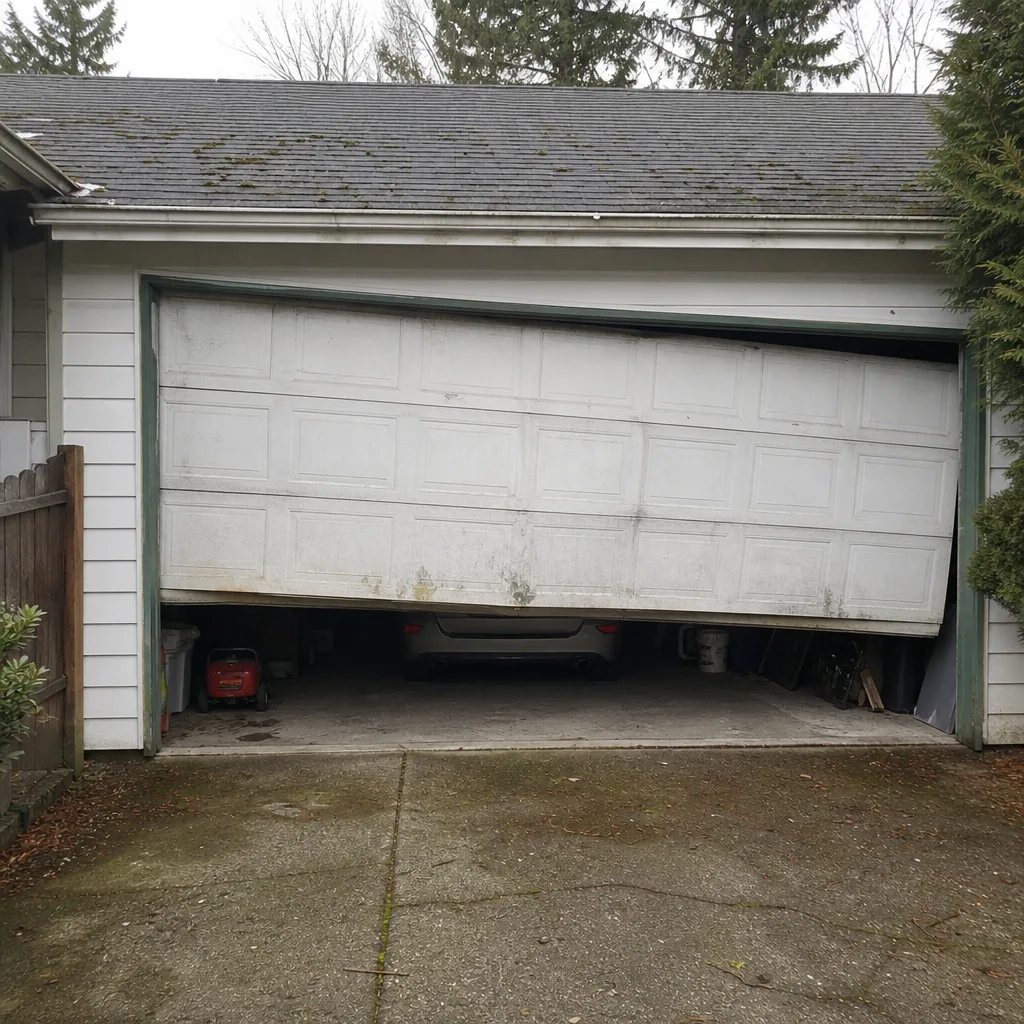 Before
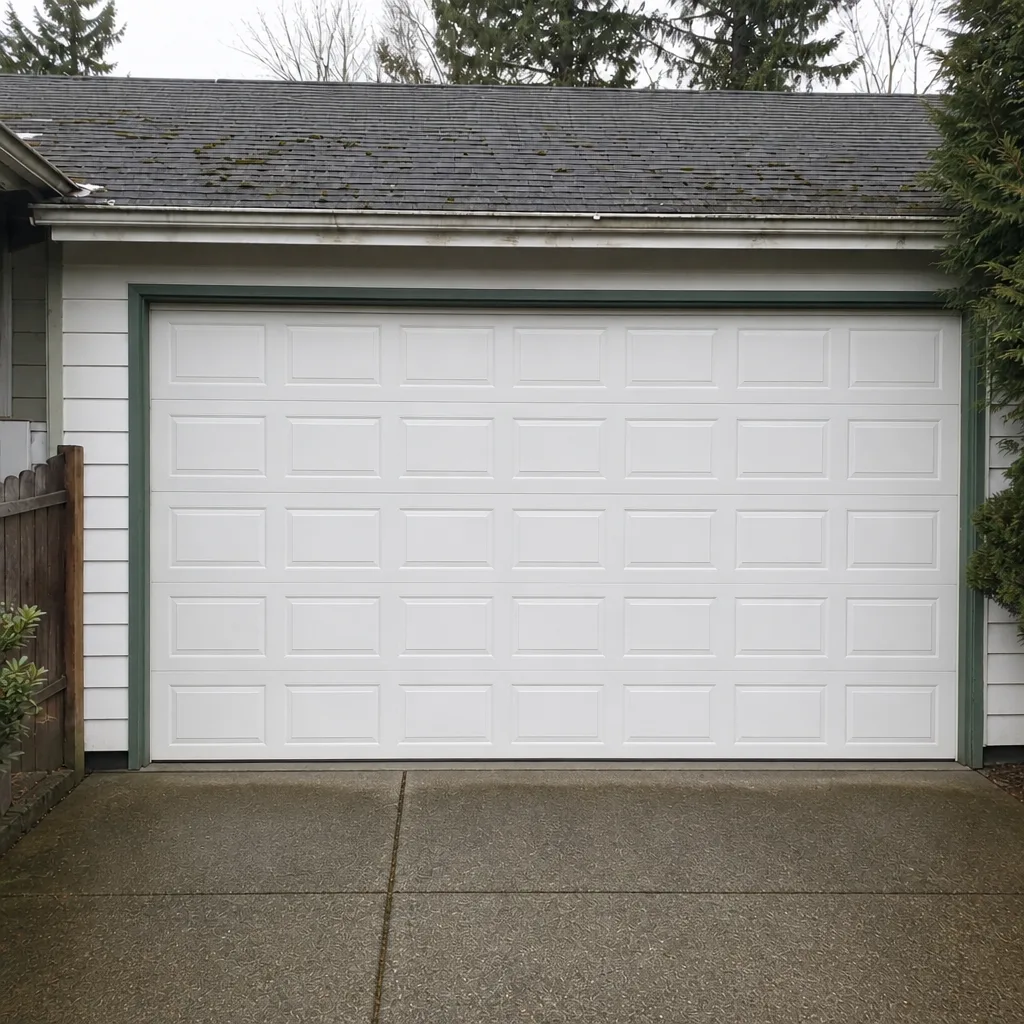 After
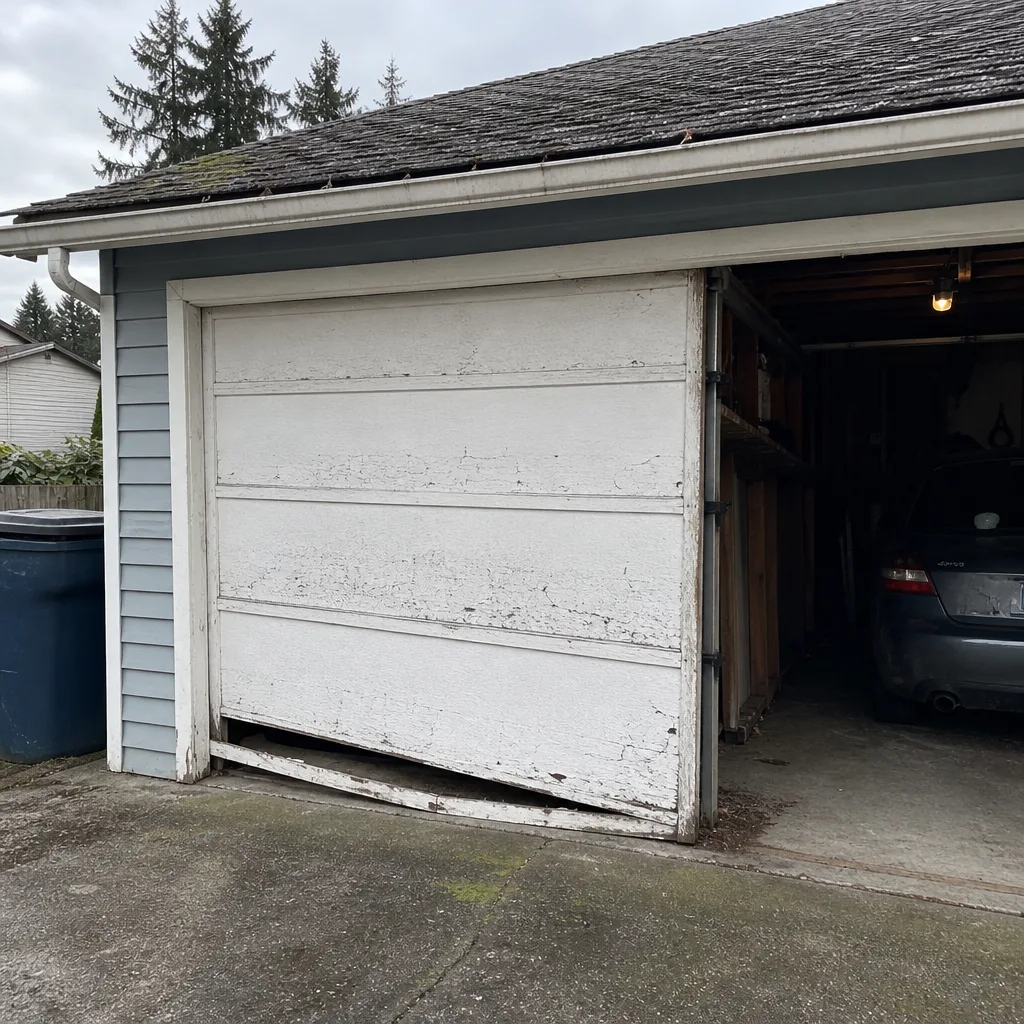 Before
 After
 Before
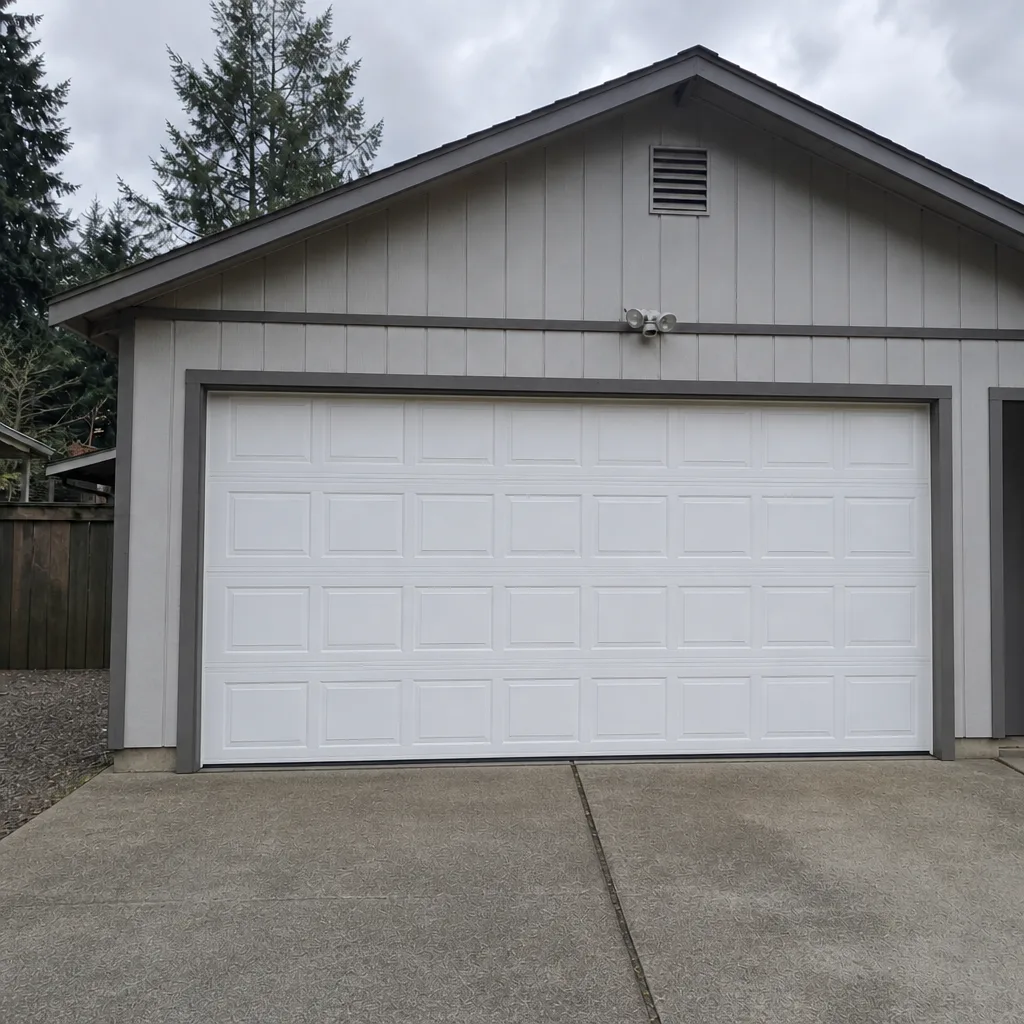 After
When to Call a Professional
Some garage door emergencies are better left to a trained technician, especially after an earthquake or a flood. Call for help when you see a bent track, a spring that has come loose or snapped, a panel that’s visibly cracked or out of alignment, a door that won’t stay up when lifted by hand, or an opener that runs but won’t move the door and won’t re-engage. Also call if the door has been underwater at the bottom, or if you’re not sure whether it’s safe to operate.
Lake City Garage Door Repair offers free estimates in Lake City, and we cover all the major opener and door brands. Call (888) 991-5420 and we’ll help you diagnose what’s safe to do yourself and what needs a technician. If a new door or opener is the answer, our garage door installation service will sort out the right fit and a written price before any work starts.
Frequently Asked Questions
Pull the red manual release cord hanging from the trolley on the rail, then lift the door by hand. On side-mounted jackshaft openers the release is a lever on the unit itself rather than a cord, and on some models you pull the lever sideways rather than down. Once the carriage is free, the door moves by hand under spring tension. Reconnect the carriage by running the opener once power returns.
Use the manual slide lock or locking bar built into the door, and if it has none, clamp locking pliers or a sturdy clamp on the track just above the bottom roller. That keeps the door from being lifted from the outside until the carriage can be re-engaged or a technician can repair the disconnect. Don’t leave a disconnected door unsecured.
Clear the obstruction from the door’s path before trying the opener. If the door stops and won’t close, the safety sensors near the floor may be misaligned or blocked, or the door may be hitting the object’s edge on the way down. Never force the door closed against a blockage; it strains the opener and the panels.
Not until you’ve inspected it from the ground first. Bent tracks, shifted horizontal rails, cracked or misaligned panels, loose spring or cable hardware, or a loose opener mount all mean the door should stay shut until a technician checks it. If everything looks straight and the door lifts easily by hand, it’s usually safe to open slowly and watch for binding.
No, not until the sensors and wiring are dry and inspected. Kill power at the breaker first, check the bottom panel for swelling or rust, check that the tracks are still straight, and only then have the electrical side inspected before reconnecting power. Water in the sensors or motor can cause a short or a false signal.
A battery backup is worth considering because multi-day outages from windstorms are common in this area. The battery lets you open and close the door normally for a stretch after power drops. It’s an option rather than a requirement. We can fit backup to a compatible LiftMaster or Chamberlain unit or recommend a replacement opener with backup built in.
The Bottom Line
A garage door emergency plan is four small habits: know your manual release and practice it, keep a small emergency kit on the wall, secure the door before you walk away, and know the handful of situations where you shouldn’t touch the door at all. In Lake City that means thinking about power outages, earthquakes, and storm water, not just a broken opener. The door is one of the few parts of your house that combines a heavy moving panel with a spring under tension, so respecting it is the whole game. If you’re not sure how your door is set up, a professional look is the fastest way to a real answer.
Call (888) 991-5420 for a free estimate. If you need a specialist for the whole door and the opener, see our full Lake City Garage Door Repair service.
Written by the team at Lake City Garage Door Repair.