Last updated November 21, 2026
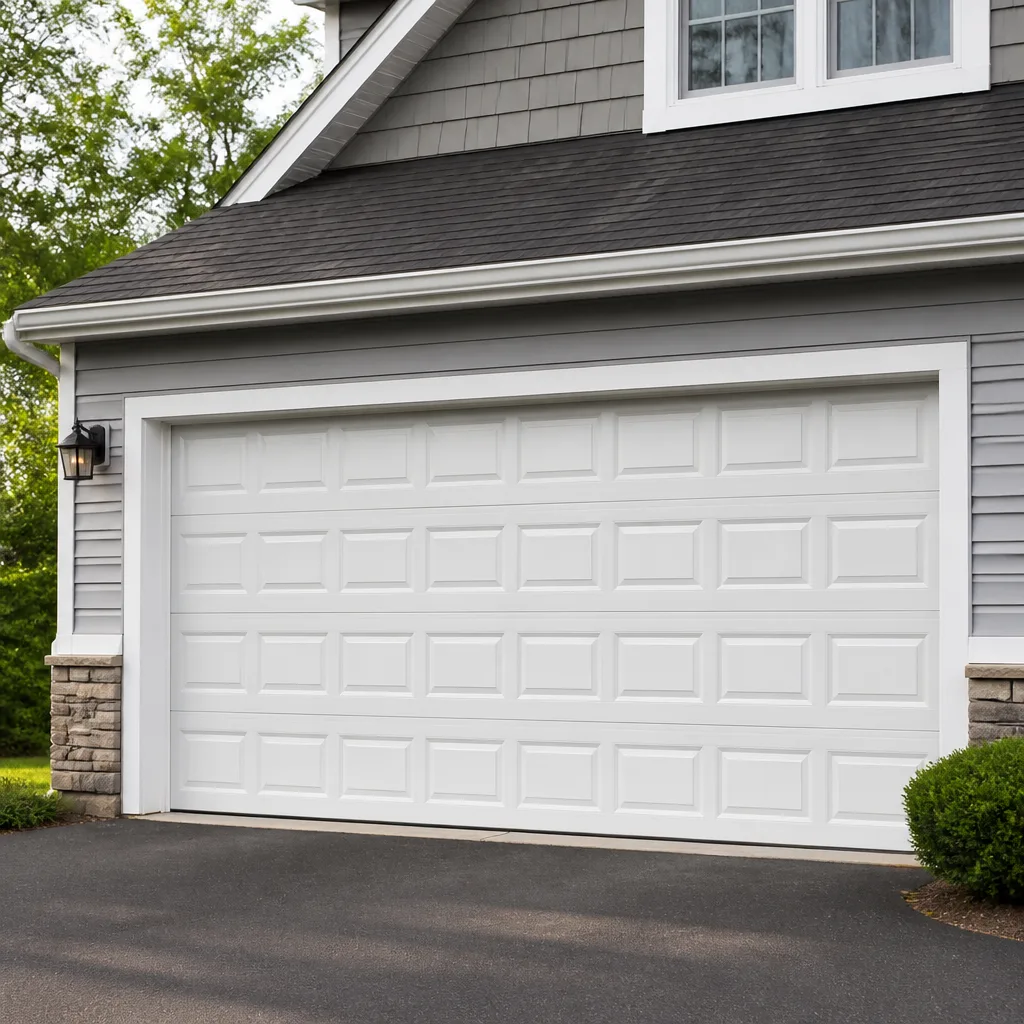 Raised-panel steel
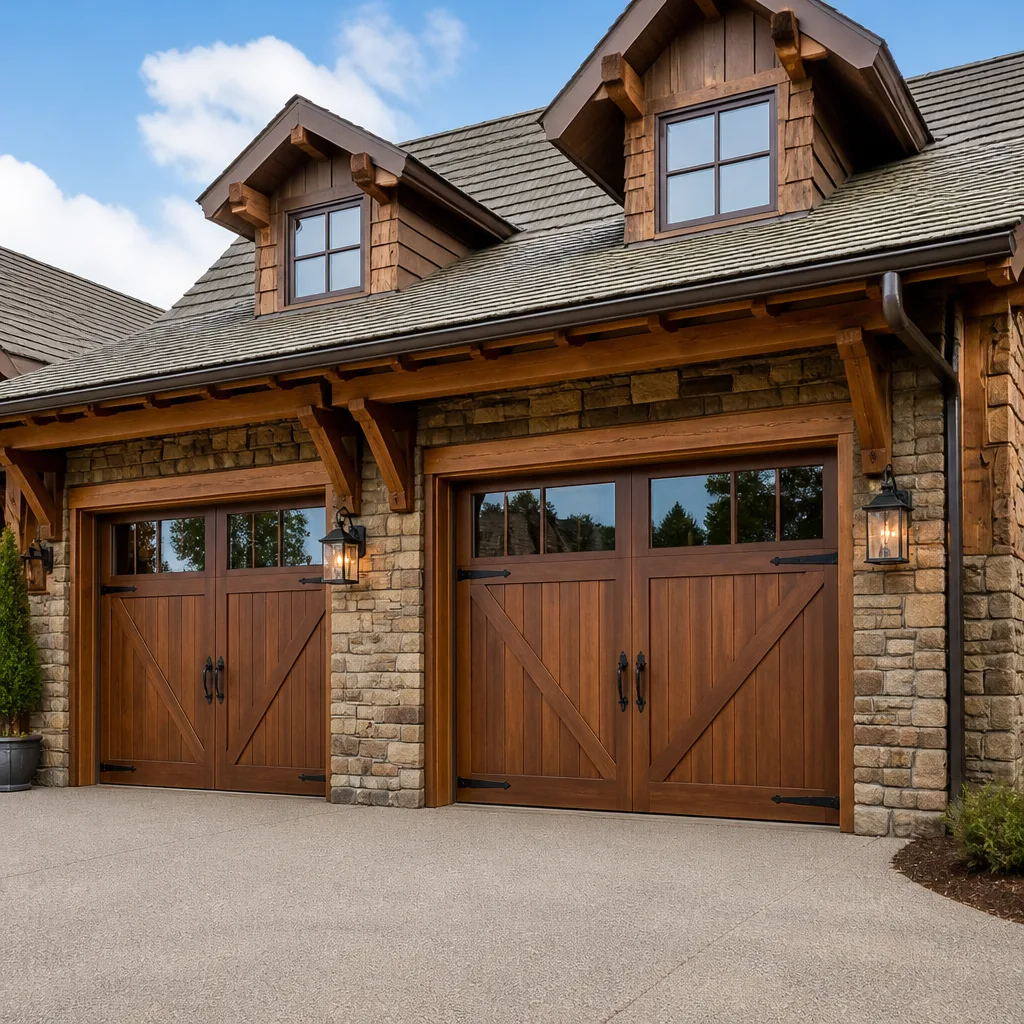 Carriage house
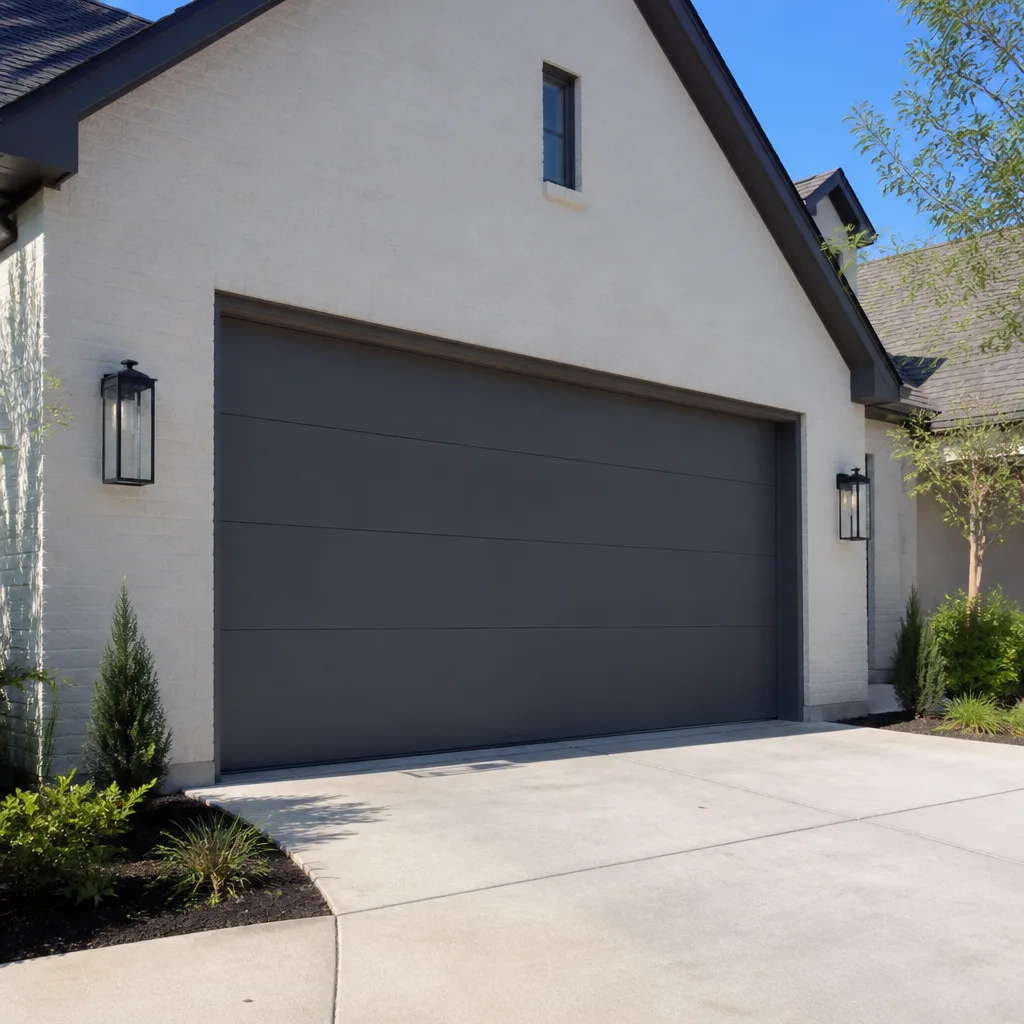 Modern flush
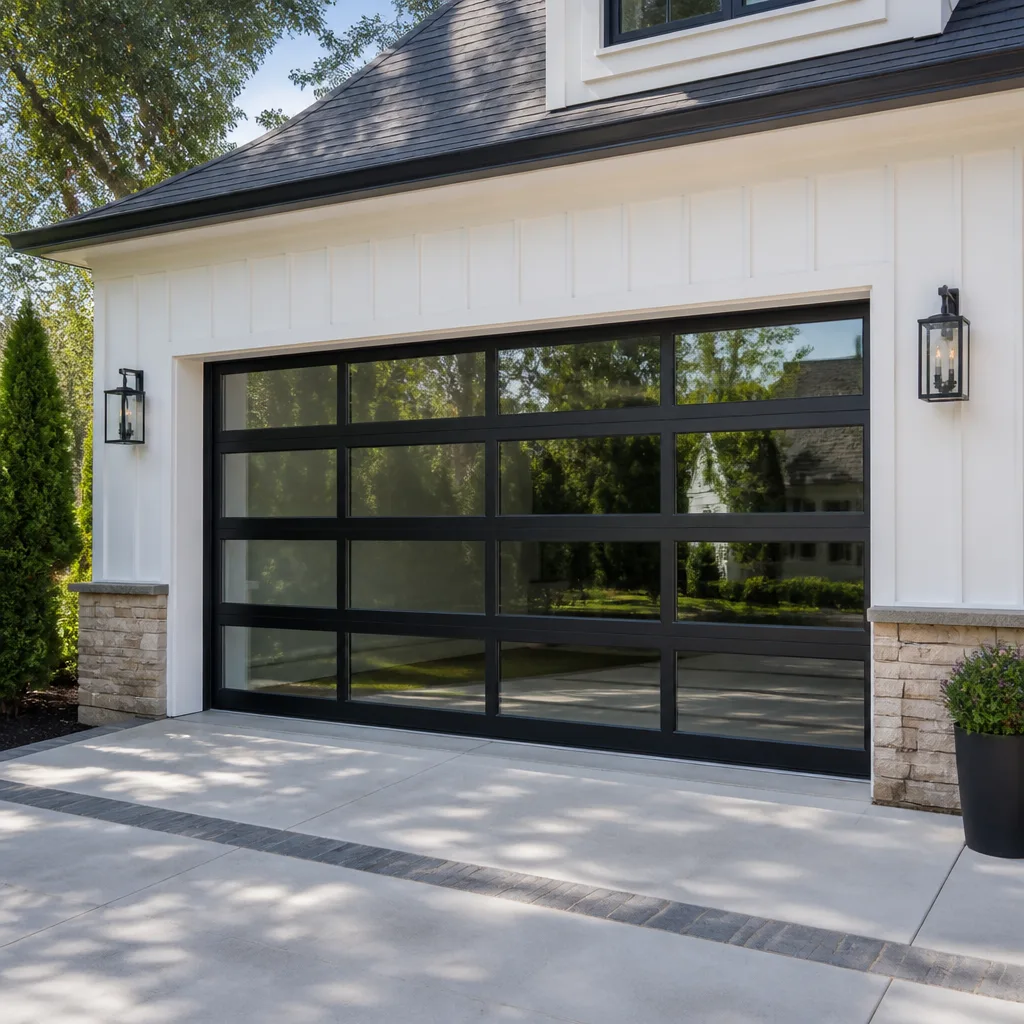 Full-view glass
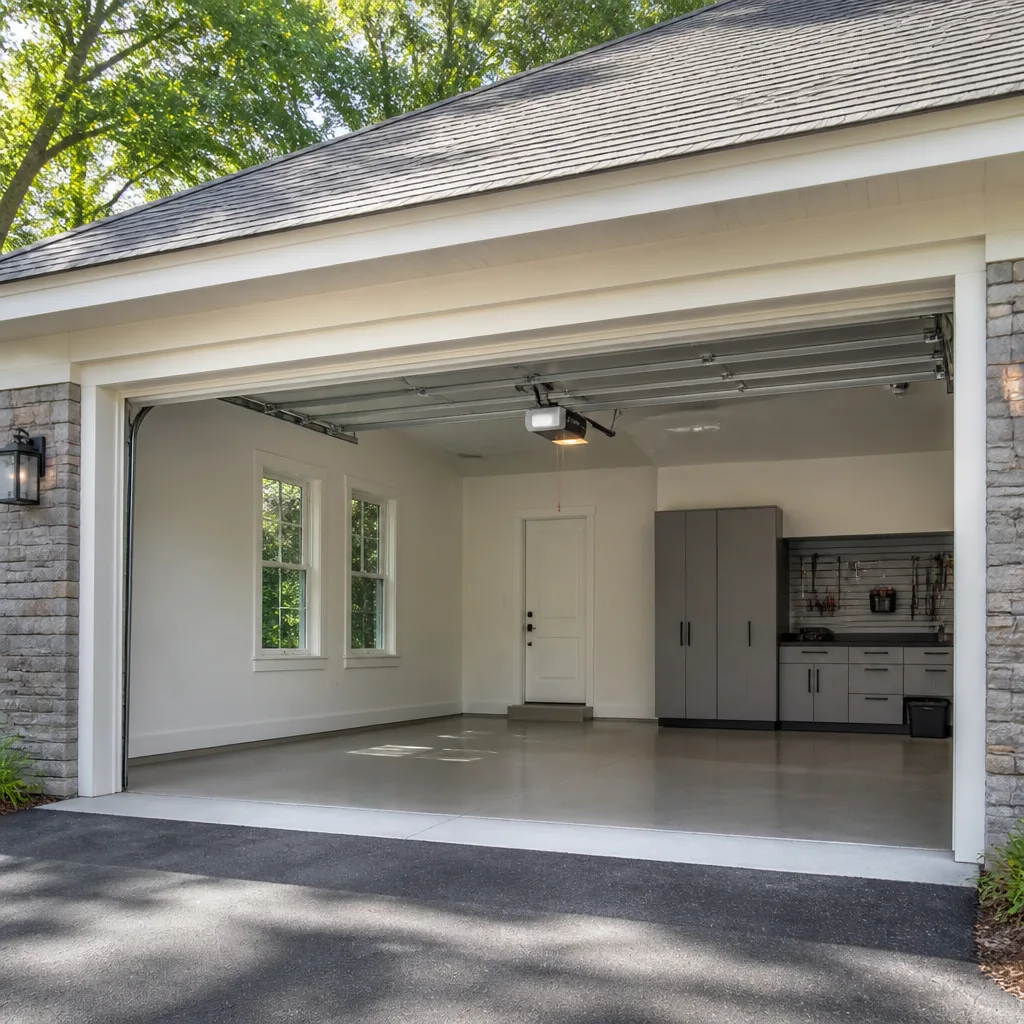 LiftMaster openers
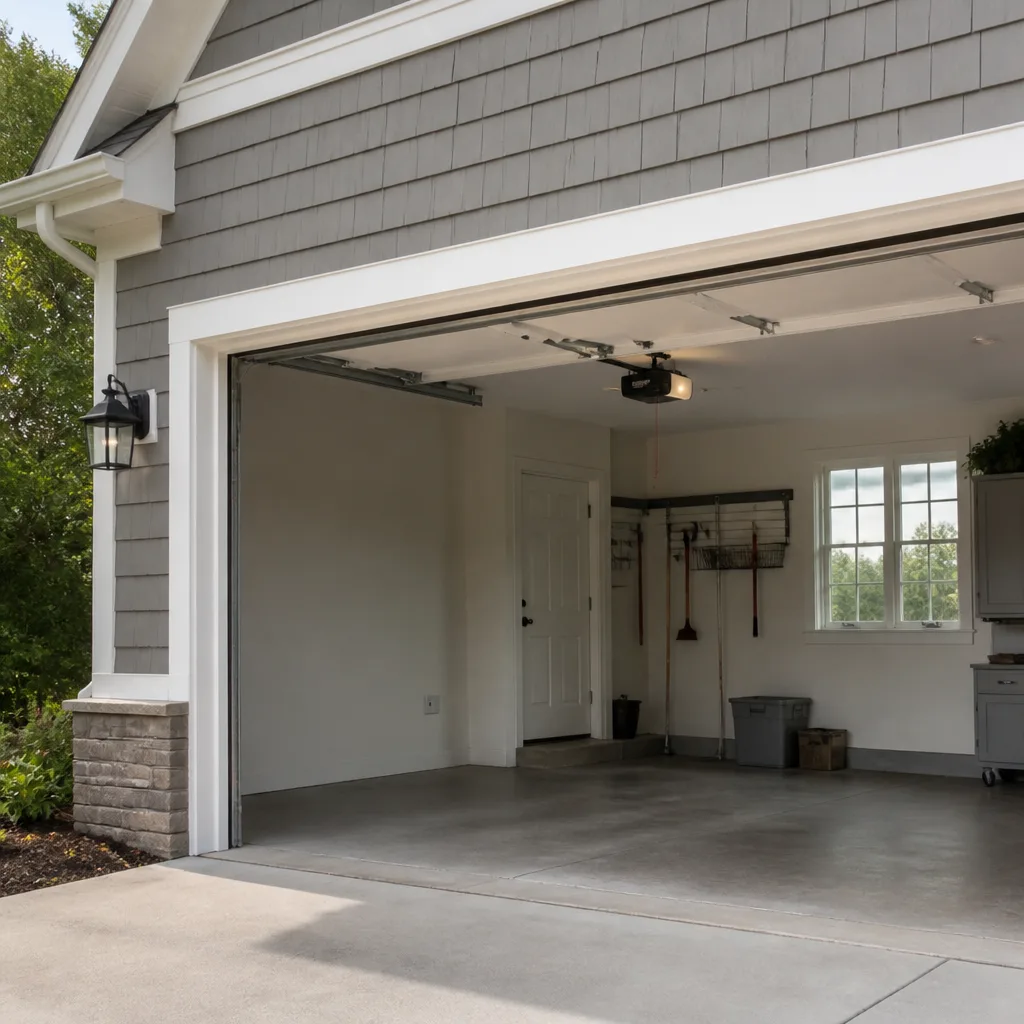 Chamberlain openers
Full 25-point door and opener safety check with every visit - springs, cables, rollers, tracks, and your LiftMaster or Chamberlain opener included
You get a price before we start. It does not change when the pro arrives.
Get your free estimateThe Complete Guide to Garage Doors in Lake City
Most garage door guides are written for an imaginary homeowner in a dry climate with a house built sometime around 2005. Lake City doesn’t fit that picture. We average more than 37 inches of rain a year, we sit in an active seismic zone, and within a few blocks you can pass a 1970s ranch home and a brand-new build that need completely different doors. The advice that works for one won’t work for the other. This guide treats Lake City as its own place, not a footnote in a Seattle roundup. You’ll learn how our rain and humidity wear on doors, what the housing stock actually looks like by era, how HOA rules and seismic bracing shape your choices, and when a repair makes sense versus when replacement does.
Quick Answer
The garage door that suits your Lake City home depends on three things: the age and construction of the house, how much rain-driven moisture the door faces, and whether local covenants or seismic bracing requirements limit your options. In most cases a failing door can be repaired and last several more years, but once the panels, springs and opener are all near the end of their life, replacement is the better use of money. Springs and opener work are high-risk jobs best left to a trained professional.
Styles & brands we work with
- Raised-panel steel
- Carriage house
- Modern flush
- Full-view glass
- LiftMaster openers
- Chamberlain openers
Table of Contents
- How Lake City’s Rain and Humidity Wear on Your Door
- What Lake City’s Housing Stock Tells You About Your Door
- Seismic Bracing and Why It Matters Here
- HOA and Neighborhood Covenant Considerations
- Repair or Replace? How the Math Works in Lake City
- Choosing and Maintaining Your Opener
- Brands You’ll Find on Lake City Doors
- A Simple Maintenance Routine for Our Climate
How Lake City’s Rain and Humidity Wear on Your Door
Rain is the single biggest thing that shortens a garage door’s life in Lake City. With over 37 inches falling in a typical year and long stretches of gray, damp weather, moisture doesn’t just hit the door and dry off. It lingers. That changes which parts fail first and how often.
The failure points we see most often in Lake City’s climate:
- Bottom seals and weatherstripping. The rubber or vinyl seal along the bottom takes the most direct hit from splashing and standing water. It cracks, hardens and pulls away faster here than in drier parts of the state, and once it’s compromised, water and pests get under the door.
- Steel panel edges and seams. Water pools in the folded seams and along the bottom edge of steel panels. Rust starts there, often out of sight, and spreads under the paint.
- Torsion spring corrosion. Springs live in a damp, unheated space. Surface rust builds on the coils, and corrosion weakens the wire over time. A corroded spring is closer to snapping than it looks.
- Wood doors. Painted wood swells at the bottom, and the paint film traps moisture if it’s chipped. Wood doors here need more frequent refinishing than the same door would inland.
- Track and roller friction. Humidity swells wood jambs and can shift track alignment slightly. Rollers that would glide in a dry climate start to drag.
The practical takeaway: in Lake City, you should inspect the bottom seal and the spring coils more often than a generic maintenance checklist suggests. Keep the bottom edge painted or sealed, clear leaves and debris away from the threshold so water drains, and treat any rust spot on a spring as a reason to have it checked rather than something to paint over. Small, damp-climate habits make a real difference in how many years you get from a door.
What Lake City’s Housing Stock Tells You About Your Door
Lake City is a neighborhood of contrasts. You’ll find mid-century ranch homes from the 1950s through the 1970s sitting close to newer construction and remodels. Each era brings its own door and opener patterns, and knowing which you have helps you plan.
Older ranch homes
Homes from the ranch era typically have single-car or two-car garages with lower headroom. Many still carry the original or a first-replacement door: often a wood or early steel sectional, sometimes a single-panel tilt-up. The openers on these homes, when present, tend to be older chain-drive units, and Craftsman and Genie models are common. These doors often need the most attention because the hardware has simply been in service a long time. Spring replacement, new rollers and a modern opener are frequently the smartest upgrades rather than a full door.
Newer builds and remodels
Newer Lake City construction and gut renovations usually come with insulated steel sectional doors, often in contemporary panel styles, paired with belt-drive or smart openers. LiftMaster and Chamberlain units show up often here. These doors are generally in good shape but need the same damp-climate care at the bottom seal, and their openers benefit from periodic testing of the safety reverse.
A useful step-by-step for figuring out what you have:
- Note the door type: sectional (horizontal panels that fold up) or a single tilt-up panel.
- Check for a manufacturer label on the inside of a panel or on the opener housing.
- Look at the spring type: a single horizontal torsion spring above the door, or two stretched extension springs along the sides.
- Note whether the door is insulated and what material the panels are.
- Test the balance by disconnecting the opener (with the door closed) and lifting it partway by hand. If it won’t hold, the springs need attention. Don’t attempt to adjust them yourself.
That quick inventory tells any technician a lot before they arrive and helps you get an accurate estimate.
Seismic Bracing and Why It Matters Here
Washington State sits in an active seismic zone, and that fact should shape how you think about a garage door, especially during installation or replacement. A garage door is a large, heavy moving assembly mounted to the structure. In a seismic event, an unbraced or poorly anchored door and its track can shift, bind or come loose. Proper bracing and anchoring keep the whole system tied to the building the way it should be.
What this means in practice for Lake City homeowners:
- When a new door is installed, the mounting and reinforcement should account for seismic movement, not just hold the door up day to day.
- Track brackets and anchors should be sound and correctly fastened. Rotted or loose jambs undermine any bracing.
- If you’re replacing a door, it’s the right moment to review how the door ties into the structure, because the old hardware is coming off anyway.
We won’t quote code sections here, because local requirements are specific and can change. The reliable move is to ask your city’s building department what applies to your project, and to make sure whoever installs the door understands seismic bracing as part of the job rather than an afterthought. A garage door is one of the heaviest moving parts of a house, and in a seismic zone that deserves real attention.
If you’re planning a replacement, our garage door installation service covers bracing and anchoring as part of the work.
HOA and Neighborhood Covenant Considerations
Before you pick a door style or color in Lake City, check whether your neighborhood has a homeowner association or recorded covenants. Many do, and the rules can be specific about what’s allowed on a street-facing garage door.
What HOAs and covenants commonly govern:
- Color. Some associations restrict doors to a set palette or require they match the home’s trim.
- Material and style. Carriage-house vs. contemporary panel styles, wood-look vs. smooth steel, window placement.
- Visibility from the street. A door that faces the street often gets more scrutiny than one tucked behind the house.
- Approval process. Many require submitting the door spec and color for approval before installation.
Getting this right up front saves you from installing a door you then have to change. Ask your HOA or read your covenants, and get any approval in writing. When you’re choosing, a manufacturer’s color and style samples help you match the palette your covenants allow. We work with Clopay and Amarr among others, which gives you real options within most HOA rules. If your door faces the street and the neighborhood has consistent styling, matching the existing look is usually the safe call.
Repair or Replace? How the Math Works in Lake City
This is the question homeowners ask us most. A repair usually buys you years when the door’s structure is sound and only one or two components have failed. Replacement makes more sense when multiple systems are worn out at once, or when the door is old enough that repairs start stacking up.
When repair is the right call
- One spring has broken but the panels, tracks and opener are in good shape.
- The opener has failed but the door itself is solid and balanced.
- A single panel is damaged and can be replaced.
- The bottom seal or rollers need refreshing, which is normal maintenance in our climate.
When replacement makes more sense
- Panels are rusted through at the seams or the door is visibly sagging.
- The springs, opener and hardware are all near end of life, so you’d be paying for several repairs in a short span.
- You want insulation and better weather sealing for our damp climate.
- You’re remodeling and want a style that fits the home and your covenants.
On cost, we quote per job after a free measure, so the written estimate is the number that matters. For a repair, expect the price to be set by the specific part and labor involved. For a new door, the price depends on size, material, insulation and style. The honest approach is to get an on-site assessment and a written price before deciding, rather than guessing. If a repair will realistically get you several more good years, we’ll tell you. If the math favors a new door, we’ll say that too. A broken spring or a door that won’t close is also a security concern, so don’t leave a non-working door open to the street while you weigh options. For urgent problems, our garage door repair service can assess and fix what’s failed.
Choosing and Maintaining Your Opener
Think of your garage as two separate systems: the door (panels, springs, tracks, rollers) and the opener (the motor and drive that lifts it). They fail for different reasons and need different expertise. In Lake City’s damp climate, opener maintenance is mostly about keeping the moving parts free and testing the safety features.
A sensible opener routine:
- Test the safety reverse by placing a solid object in the door’s path and confirming the door reverses on contact.
- Check the photo-eye sensors at the bottom of the tracks; wipe them clean and make sure they’re aligned.
- Listen for grinding or straining, which can signal worn gears or a door that’s out of balance.
- Lubricate the chain or screw drive per the manufacturer’s guidance, and keep the track clean.
- If the opener strains to lift the door, the springs, not the opener, may be the real problem.
When it’s time to replace an opener, match the drive type to your home. Belt drives run quieter, which suits attached garages. Chain drives are durable and common. Smart features are useful but secondary to a correct, safe installation. If your opener is struggling, our garage door opener repair service handles the diagnosis and the fix. A word of caution: opener repair often involves electrical components and springs under tension. That’s work for a trained technician, not a weekend project.
Brands You’ll Find on Lake City Doors
A lot of garage door frustration comes from calling a generalist who says “we don’t work on that brand.” We’ve built our service around the brands homeowners actually have, so you don’t have to hunt for the right specialist.
We’re certified to service eight of the most widely installed door and opener brands:
- Door manufacturers: Clopay, Amarr, Wayne Dalton, Raynor.
- Opener and drive systems: LiftMaster, Chamberlain, Genie, Craftsman.
Those don’t always overlap the way people expect. A home might have a Clopay door with a LiftMaster opener, or an older Genie opener on a Wayne Dalton door. Because we handle both the door system and the opener system, you get one company for the whole job rather than being sent between two. We also keep parts on hand, so a technician isn’t leaving to chase down a component and coming back later. That reduces the odds of a return visit caused by a missing part. Whatever brand is on your door, we know it. If you have a door or opener outside those eight brands, ask us and we’ll tell you honestly whether we can help.
A Simple Maintenance Routine for Our Climate
Ten minutes of attention a few times a year is the cheapest insurance a garage door has, and in Lake City’s wet climate it pays off faster than you’d think.
- Inspect the bottom seal for cracks and gaps. Replace it when it hardens or pulls away; it’s your first line against water.
- Look at the spring coils for rust. Corrosion weakens springs, and a weakened spring is a safety risk.
- Keep the bottom edge painted or sealed to slow rust on steel and swelling on wood.
- Clear debris from the threshold and tracks so water drains and the door closes cleanly.
- Lubricate hinges, rollers and the opener drive with the manufacturer’s recommended product once or twice a year.
- Test the balance and the safety reverse so you catch a failing spring or a misbehaving opener early.
Never try to adjust, remove or replace springs yourself. They’re under extreme tension and can cause serious injury. Track alignment, tension and opener wiring are also jobs for a trained professional. Inspecting and cleaning are homeowner tasks; repair and replacement are not.
Common Mistakes to Avoid
- Ignoring the bottom seal until water gets in. In our rainy climate the seal fails sooner than people expect, and by the time water is pooling inside, the damage has spread.
- Patching over rust on springs. Painting a rusted spring hides the problem without fixing it. Corrosion weakens the wire, and that’s a safety matter, not a cosmetic one.
- Choosing a door without checking your HOA covenants. Lake City has neighborhoods with specific style and color rules, and installing first and asking later can mean redoing the job.
- Treating the opener and door as one system. If the door is hard to lift, the springs may be the culprit, not the opener. Replacing a good opener won’t fix a balance problem.
- DIY spring work. This is the most dangerous part of any garage door. Leave it to a trained technician.
- Skipping seismic bracing on a replacement. In an active seismic zone, the door should be properly anchored and braced as part of the install.
- Choosing a door for a neighbor’s house instead of yours. A 1970s ranch and a new build next door may need very different doors. Match your door to your own home’s era and structure.
See the difference
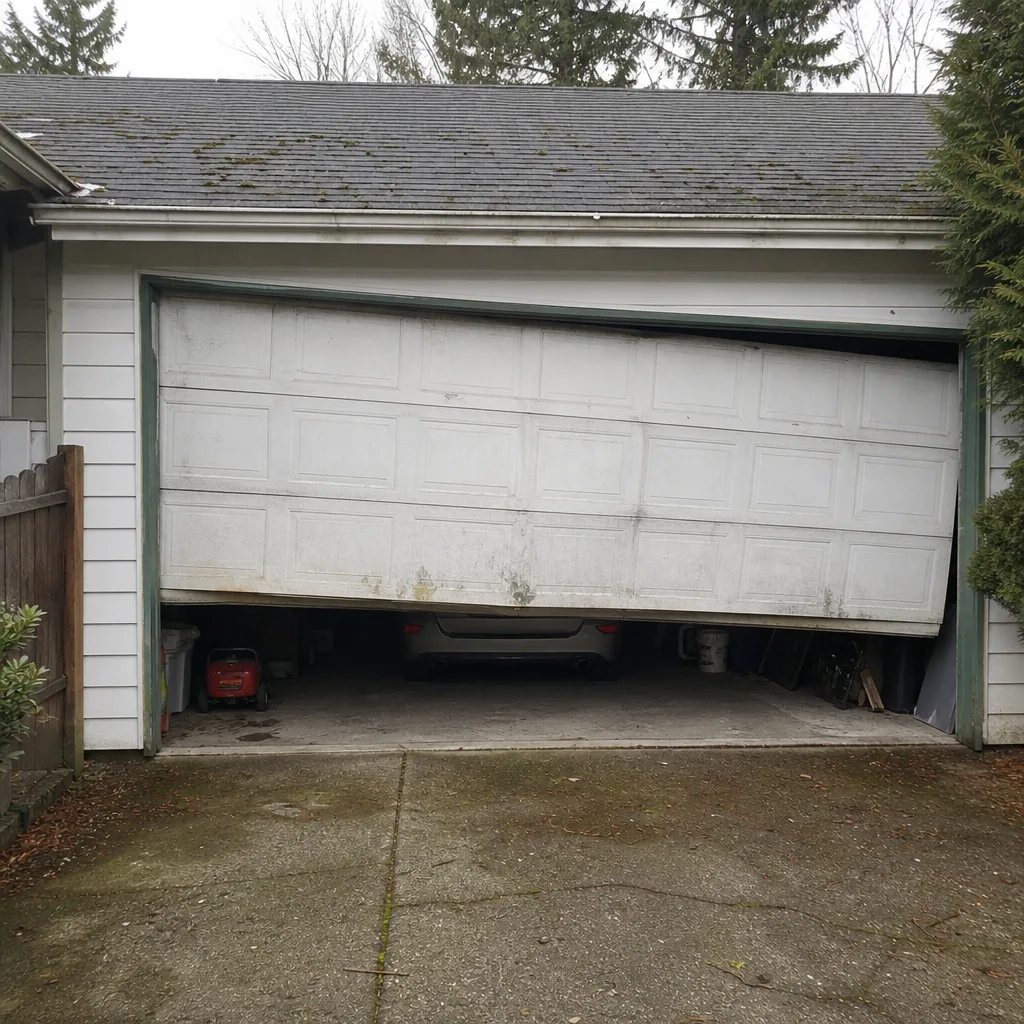 Before
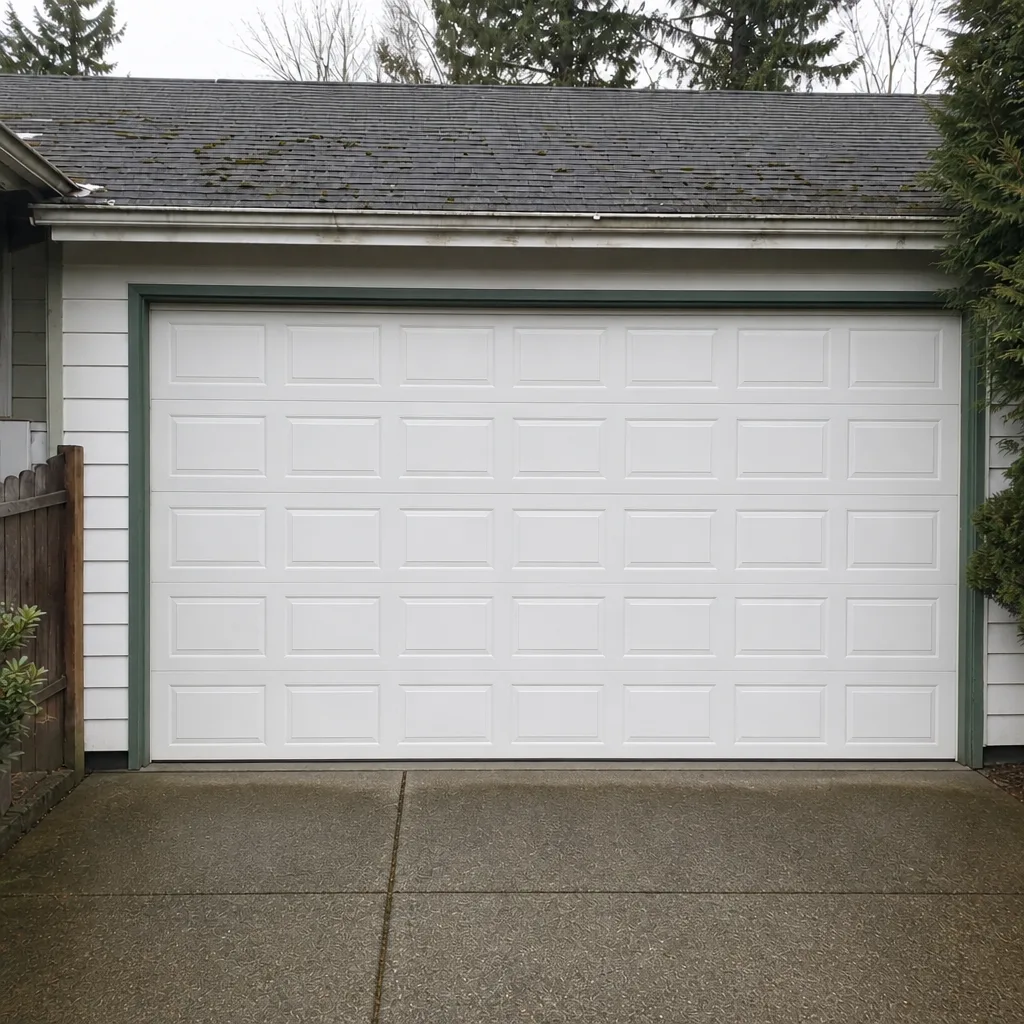 After
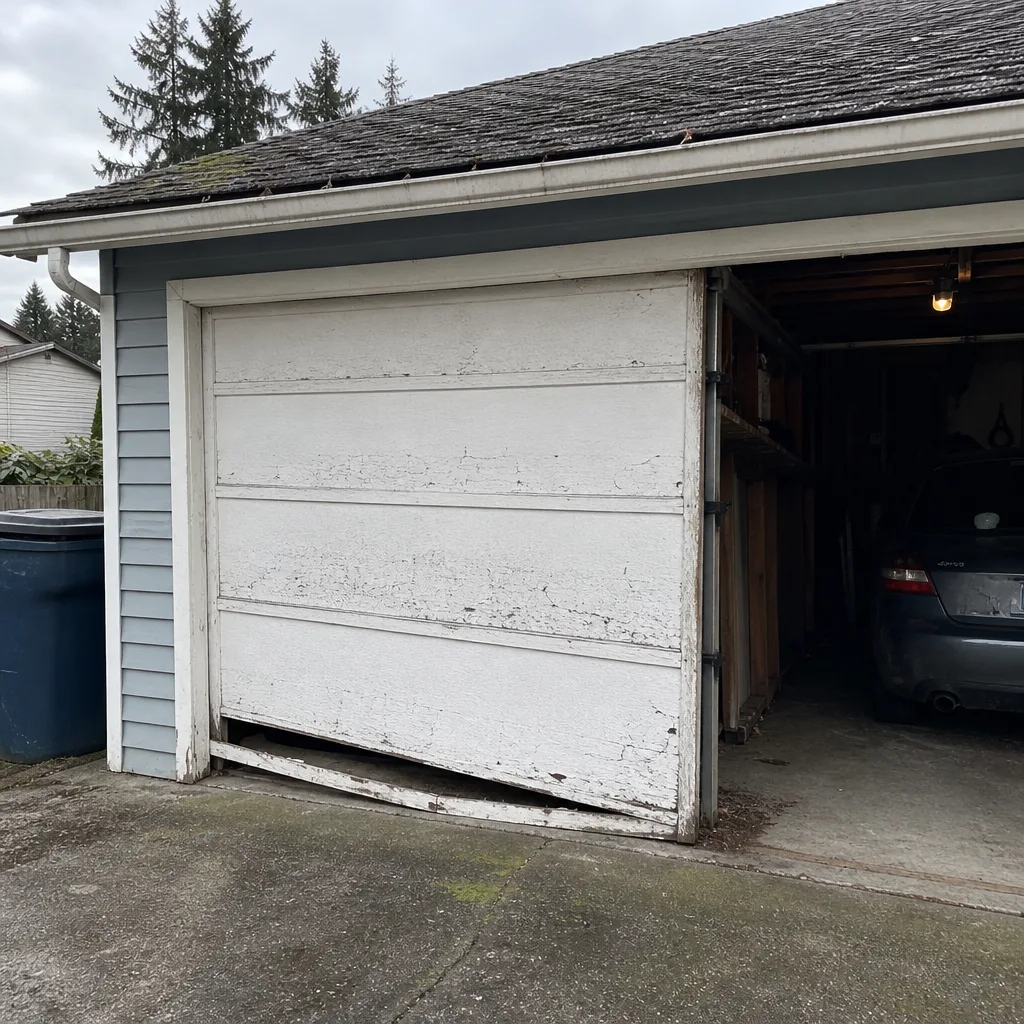 Before
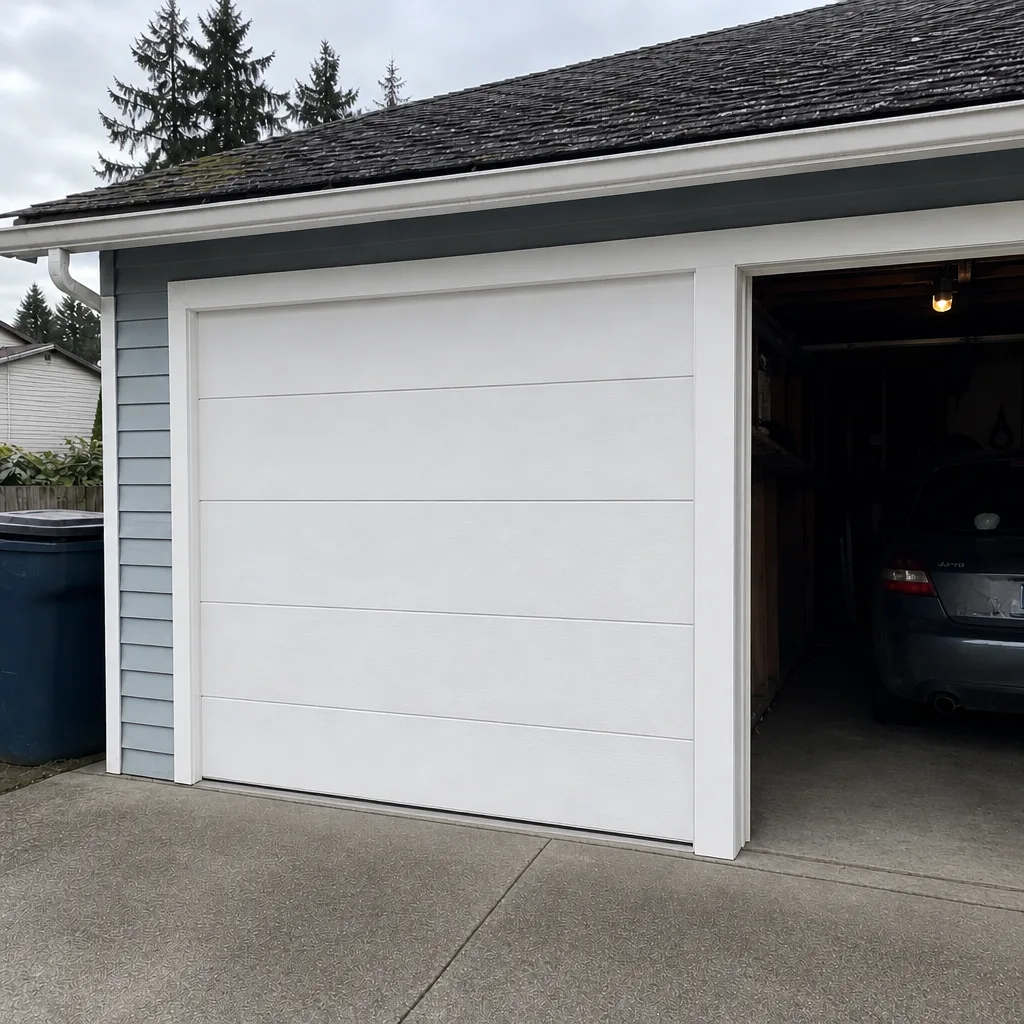 After
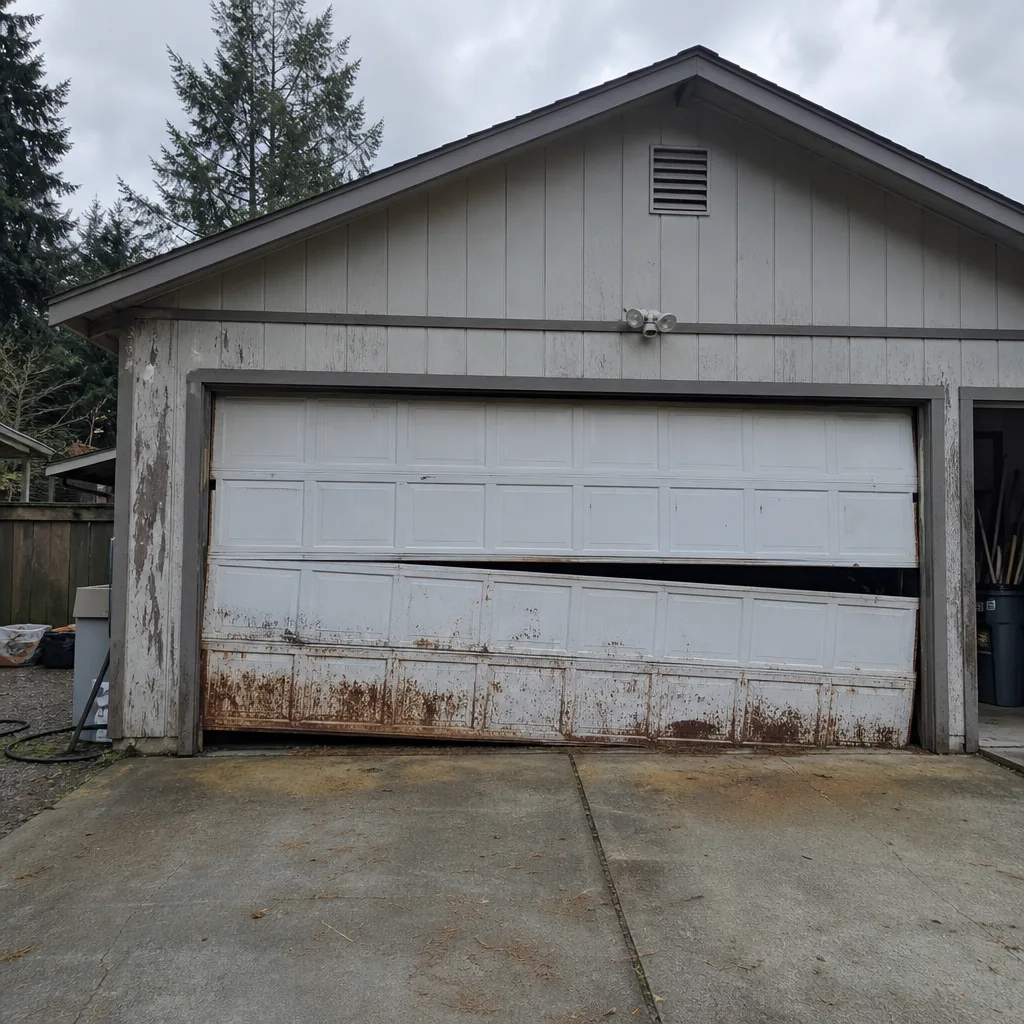 Before
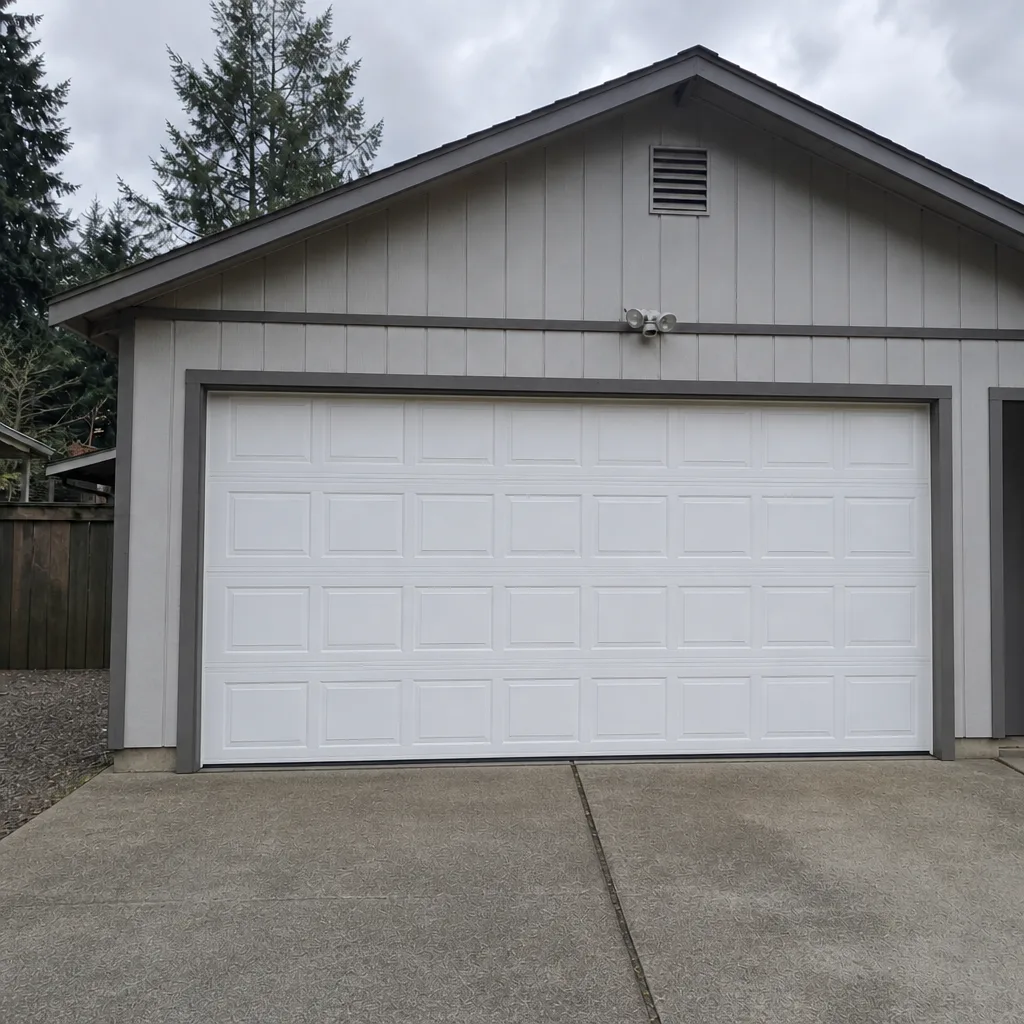 After
When to Call a Professional
Some things are homeowner jobs; some aren’t. Call a professional when a spring breaks or looks rusted and worn, when the door won’t balance or reverses for no clear reason, when the opener strains or stops lifting the door, when a panel is damaged or a track is bent, when the bottom seal needs replacing and you’d rather not wrestle with it, or when you’re weighing repair against replacement and want an on-site assessment. Spring and electrical work are genuinely dangerous, so don’t take chances there. Lake City Garage Door Repair offers free estimates in Lake City. Our technicians have up to 11 years of experience, and we handle both the door and the opener. If your door has failed outright, we offer fastest-possible response and same-day service on repairs, with upfront pricing agreed before any work starts. Call (888) 991-5420 to get started.
Frequently Asked Questions
Garage door repair in Lake City is priced per job after a free on-site assessment, so the written estimate is the price you pay. The cost depends on which part failed: a spring, an opener, a panel or the bottom seal each carries a different labor and parts range. We quote and agree the price with you before any work starts, so there are no surprises on the invoice. Call (888) 991-5420 for an exact quote; estimates are free.
Yes, we treat a stuck-open door as an urgent repair because an open garage is a security concern. We offer same-day service on repairs, with fast response and dispatch from 7am to 7pm. Call (888) 991-5420 and we’ll get a technician out to assess and fix what’s failed.
No. We assess the door, quote the price, and agree it with you before any work starts. The written estimate sets the final price, so what we agree is what you pay. If the assessment turns up something that genuinely changes the scope, we’ll talk it through with you first rather than adding charges afterward.
The local professionals we connect you with are licensed and insured as their state requires, and they’re experienced in both door systems and opener systems. Our technicians have up to 11 years of experience. Call (888) 991-5420 to book an estimate.
Lake City’s damp climate speeds up corrosion on spring coils, and a rusted spring weakens and breaks sooner than one kept dry. That’s why checking the springs for rust a few times a year matters here more than in drier parts of the state. If a spring looks corroded, have it checked before it snaps, since spring work is high-risk and not a DIY job. Call (888) 991-5420 for an assessment.
Washington State sits in an active seismic zone, so a new garage door should be properly braced and anchored to the structure as part of installation, not as an afterthought. Ask your city’s building department what applies to your project, and make sure the installer accounts for it. We can review bracing and anchoring during your free measure. Call (888) 991-5420 to schedule.
The Bottom Line
Garage doors in Lake City face conditions that generic advice misses: heavy rain that wears out seals and rusts springs, a mix of old ranch homes and new builds that need different doors, HOA rules that shape your choices, and seismic bracing that should be part of any replacement. The core decisions come down to keeping the bottom seal and springs in check, treating the door and opener as separate systems, and knowing when a repair still buys you years versus when replacement is the better spend. Whatever brand is on your door, we service the eight most common ones, keep parts on hand, and cover both the door and the opener. Get a free, written estimate before you decide.
Ready to sort out your door? Call Lake City Garage Door Repair at (888) 991-5420 for a free estimate. We offer fastest-possible response, same-day service on repairs, and upfront pricing agreed before any work starts. Whatever’s going on with your garage door in Lake City, our team is ready to help. Visit Lake City Garage Door Repair to see everything we do.
Written by the team at Lake City Garage Door Repair.